Skip to content
    Play
    group
    Comedy-Drama

    Was I Sleeping?

    from Waiting for Godot

    Written by Samuel Beckett

    Was I Sleeping? from Waiting for Godot — audition scene

    Act II. Vladimir and Estragon continue their endless wait for the mysterious Godot. Vladimir experiences a moment of profound existential crisis before being interrupted by a Boy who delivers a message that Godot will not be coming today.

    Start a free 7-day trial — 5 downloads a day, unlimited when Pro begins

    Rehearse this scene
    Rehearse on your terms

    Choose your role and voices for the other characters. Run the scene at your own pace.

    Scene PreviewExcerpt — subscribe to read full scene

    ESTRAGON

    I was dreaming that—

    VLADIMIR

    Don't tell me! I wonder is he really blind.

    ESTRAGON

    Blind? Who?

    VLADIMIR

    Pozzo.

    ESTRAGON

    Blind?
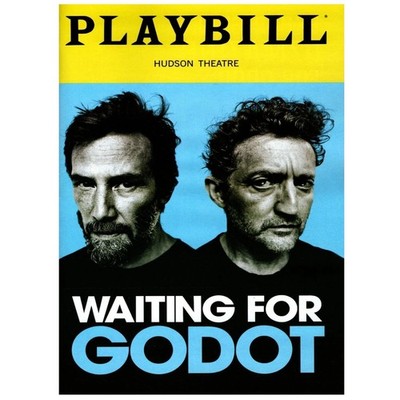
    End of preview. Continue with Pro below.

    7 days freeYour next rehearsal starts here

    Found your next scene? Make it yours.

    Start your free trial and read Was I Sleeping? in full, with access to 6,000+ monologues and scenes to explore next.

    • Read the full scene and explore the library
    • Download your script in a clean, printable format
    • Take it into rehearsal with the Script Reader
    Casting Types
    Get Feedback
    Coming Soon

    Want expert coaching on this scene?

    Browse our curated list of acting coaches, dialect specialists, and more.

    Find a Coach

    Need representation?

    Browse verified agents and casting directors in our directory.

    Scene Notes & Audition Tips

    5 sections
    About This Scene

    Set during Act II of Samuel Beckett's modern-classic play Waiting for Godot, this comedy-drama scene captures Vladimir and Estragon as they continue their endless vigil for the mysterious Godot. Vladimir undergoes a sudden, piercing existential crisis about truth, habit, and whether they are truly awake, which is ultimately broken by the arrival of a Boy carrying the message that Godot will not appear today. It is a defining example of minimalist absurdist theatre that shifts effortlessly between tragic yearning and dry, rhythmic humor.

    Character Analysis

    Vladimir serves as the intellectual and existential core of the exchange, wrestling with memory, isolation, and the dread of living an unremembered life. Estragon provides the necessary comedic counterweight, completely absorbed in his physical discomfort, fatigue, and immediate needs. When the Boy appears, his quiet innocence stands in stark relief against Vladimir's desperate hunger for certainty, reinforcing the eternal cycle of waiting that defines their existence.

    Why This Works for Auditions

    This three-minute sequence provides an exceptional showcase for actors seeking material that balances delicate comedic timing with profound dramatic depth. Casting panels look for performers who can handle heightened, philosophical text without letting it become hollow or academic. The scene demands sharp ensemble interplay, rapid dialogue shifts, and the courage to inhabit moments of deep, vulnerable stillness.

    Best Suited For

    This group piece is ideally suited for male performers in the thirty-five to forty-five age range preparing for drama school auditions, showcase competitions, or general scene study practice. It fits character actors, everyman archetypes, and versatile performers who can fluidly bridge the divide between tragic vulnerability and deadpan absurdism.

    Performance Tips

    Anchor Vladimir's philosophical questioning in tangible physical stakes rather than treating the monologue as a detached theoretical debate. Listen intently to the silence between lines, allowing Beckett's pauses to be fueled by active thought and genuine observation of your partner. Keep the banter crisp and understated so the sudden descent into existential dread feels earned, impactful, and deeply human.

    No ratings yet
    Sign in to rate