Film
monologue
Drama

Why I Don't Want to Work for the NSA

from Good Will Hunting

Written by Matt Damon, Ben Affleck

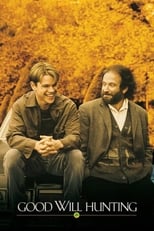
Good Will Hunting

Will delivers a rapid-fire, cynical monologue explaining his moral objections to working for the NSA and the global consequences of his labor.

Start a free 7-day trial — 5 downloads a day, unlimited when Pro begins

Rehearse on your terms

Take this monologue into rehearsal and work through it at your own pace.

Scene PreviewExcerpt — subscribe to read full scene

WILL

WILL: Say I'm working at N.S.A. Somebody puts a code on my desk, something nobody else can break. So I take a shot at it and maybe I break it. And I'm real happy with myself, 'cause I did my job well. But maybe that code was the location of some rebel army in North Africa or the Middle East. Once they have that location, they bomb the village where the…

End of preview. Continue with Pro below.

7 days freeYour next rehearsal starts here

Found your next scene? Make it yours.

Start your free trial and read Why I Don't Want to Work for the NSA in full, with access to 3,000+ monologues and scenes to explore next.

  • Read the full scene and explore the library
  • Download your script in a clean, printable format
  • Take it into rehearsal with the Script Reader
Casting Types
Get Feedback
Coming Soon

Want expert coaching on this scene?

Browse our curated list of acting coaches, dialect specialists, and more.

Find a Coach

Need representation?

Browse verified agents and casting directors in our directory.

Scene Notes & Audition Tips

5 sections
About This Scene

This powerful dramatic monologue from the film *Good Will Hunting* features Will, a brilliant but troubled young man, articulating his profound moral objections to working for the National Security Agency. In a rapid-fire delivery, Will meticulously lays out a cynical and scathing critique of the potential global consequences his intellectual labor could unleash, from military intervention and civilian casualties to economic exploitation and environmental disaster. This scene showcases a character wrestling with the ethical implications of his exceptional abilities within a complex and often unjust world.

Character Analysis

Will is presented here as a deeply intelligent and fiercely independent individual, characterized by his working-class background and a strong sense of social justice. He possesses a highly cynical worldview, stemming from his lived experiences and acute observation of societal inequalities and political machinations. His intelligence is not just academic; it’s a street-smart, philosophical insight into the systemic issues that connect individual actions to far-reaching global impacts. He is an anti-hero who values integrity over opportunity, demonstrating a rebel spirit that refuses to compromise his principles.

Why This Works for Auditions

This monologue is an excellent choice for auditions because it offers a wide range of emotional and intellectual demands within a relatively short duration. Actors can showcase their ability to handle complex dialogue, rapid-fire delivery, and sustained intensity, while revealing a character with profound depth and conviction. Its contemporary period and powerful tone make it relevant and impactful, allowing performers to demonstrate strong verbal articulation and an understanding of nuanced moral conflict. The scene also provides ample opportunity for dynamic pacing and vocal variety.

Best Suited For

This monologue is particularly well-suited for male actors in the 18-25 age range who embody the leading man, anti-hero, working-class, or rebel casting types. It’s an ideal selection for drama school auditions, agent showcases, or self-tapes where a performer needs to make a significant impression with a substantial piece. Actors looking to convey intelligence, cynicism, and a passionate moral stance will find this scene a perfect vehicle for their skills, especially those comfortable with politically charged material.

Performance Tips

When approaching this monologue, focus on Will’s underlying passion and conviction, even as he delivers his cynical observations. The rapid-fire delivery doesn't mean rushing; instead, it indicates a mind working at an incredible pace, connecting complex ideas seamlessly. Pay close attention to the escalating stakes of his argument, allowing the momentum of his thought process to drive the performance. Ensure clarity in your articulation, allowing every word of his well-reasoned, albeit jaded, critique to land with impact and convey the profound moral weight he feels.

Explore this topic