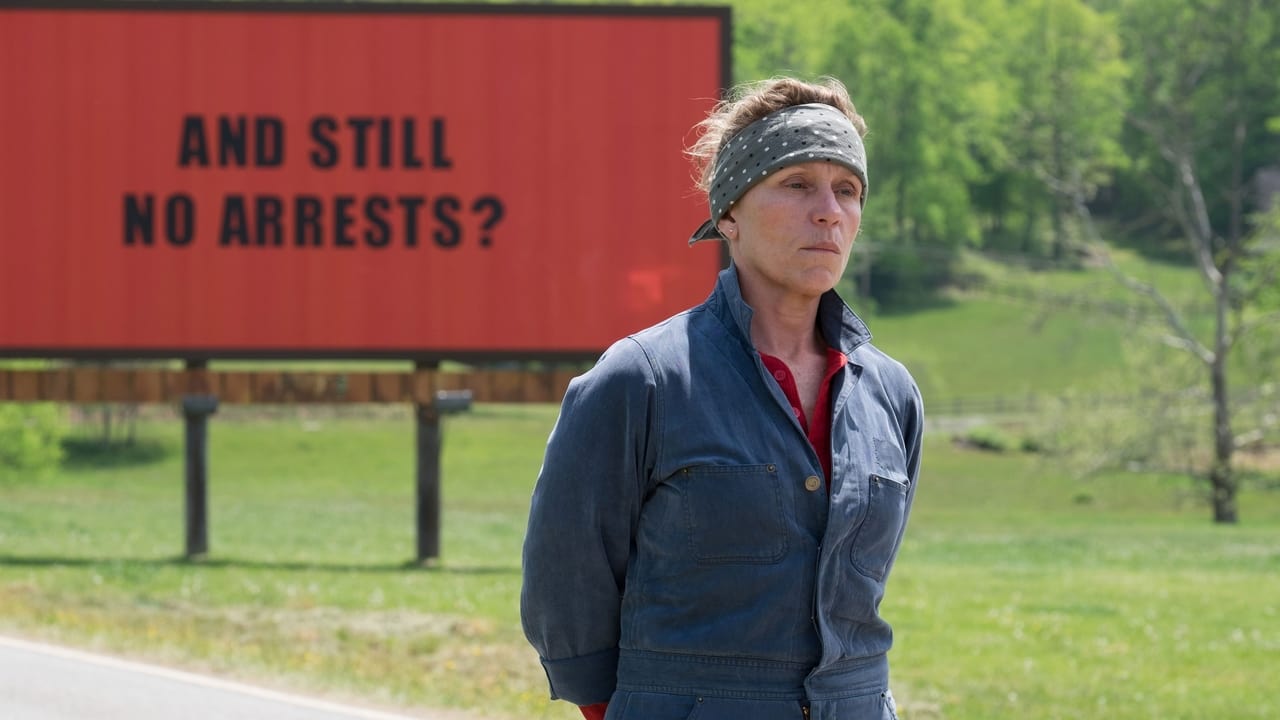

WILLOUGHBY: My darling Anne. There’s a longer letter in the dresser drawer I’ve been writing for the last week or so. That one covers us, and my memories of us, and how much I’ve always loved you. This one just covers tonight, and, more importantly, today. Tonight I have gone out to the horses to end it. I cannot say sorry for the act itself, although I…
Willoughby's Final Letter to Anne — Three Billboards Outside Ebbing, Missouri
Sheriff Willoughby narrates a suicide note to his wife, Anne, explaining his decision to end his life before his terminal cancer worsens. He reflects on their final perfect day together and expresses his desire for her to remember him as he was, rather than as a man dying in pain.
Format: Monologue · Genre: Drama · Source: Three Billboards Outside Ebbing, Missouri · Author: Martin McDonagh · Characters: Willoughby, Dixon
About This Scene
This scene features Willoughby's poignant final letter to his wife, Anne, from the acclaimed film Three Billboards Outside Ebbing, Missouri. Presented as a monologue, it offers a deeply emotional and intimate window into a man grappling with a terminal illness and making the agonizing decision to end his life on his own terms. The letter serves as a farewell, explaining his rationale and expressing profound love, all while attempting to spare Anne from the pain of witnessing his decline.
Character Analysis
Willoughby is portrayed as a man of immense love, courage, and vulnerability. Despite being an authority figure as a sheriff, this scene reveals his innermost fears and his desire to protect his loved ones from suffering. His decision, while controversial, is rooted in a selfless act of love for Anne and a refusal to let his illness define his memory. He is an Everyman facing an extraordinary circumstance, seeking to maintain dignity and agency in the face of inevitable physical deterioration.
Why This Works for Auditions
This monologue is a powerful choice for auditions due to its raw emotional depth and complex motivations. It allows an actor to showcase a wide range of emotions, from profound love and tenderness to resolute determination and a heartbreaking acceptance of fate. The conversational yet profound nature of the writing provides ample opportunity for nuanced vocal and emotional choices, demonstrating an actor's ability to handle intense dramatic material with sincerity and realism.
Best Suited For
This piece is exceptionally well-suited for male actors in the 35-45 age range looking for dramatic audition material. It's ideal for drama school auditions, self-tapes, or general practice where the goal is to demonstrate a strong command of emotional realism and internal conflict. Specifically, actors looking to portray Authority Figures, Patriarchs, or Vulnerable Everyman types will find this scene particularly effective in showcasing their range and depth.
Performance Tips
When approaching this monologue, focus on Willoughby's underlying intention: to communicate his love and justify his actions to Anne. Avoid playing the "sadness" or "despair" directly; instead, let those emotions emerge organically from his profound desire to protect his wife and preserve their beautiful memories. Pay close attention to the shifts in tone, from the tender recollections of their last day to the firm resolve in his decision. Remember that this is a private, deeply personal letter, so maintain an intimate and conversational delivery, as if Anne is truly the only one hearing these words.