
Film
monologue
Drama
Comedy-Drama

Willoughby's Letter to Dixon

from Three Billboards Outside Ebbing, Missouri

Written by Martin McDonagh

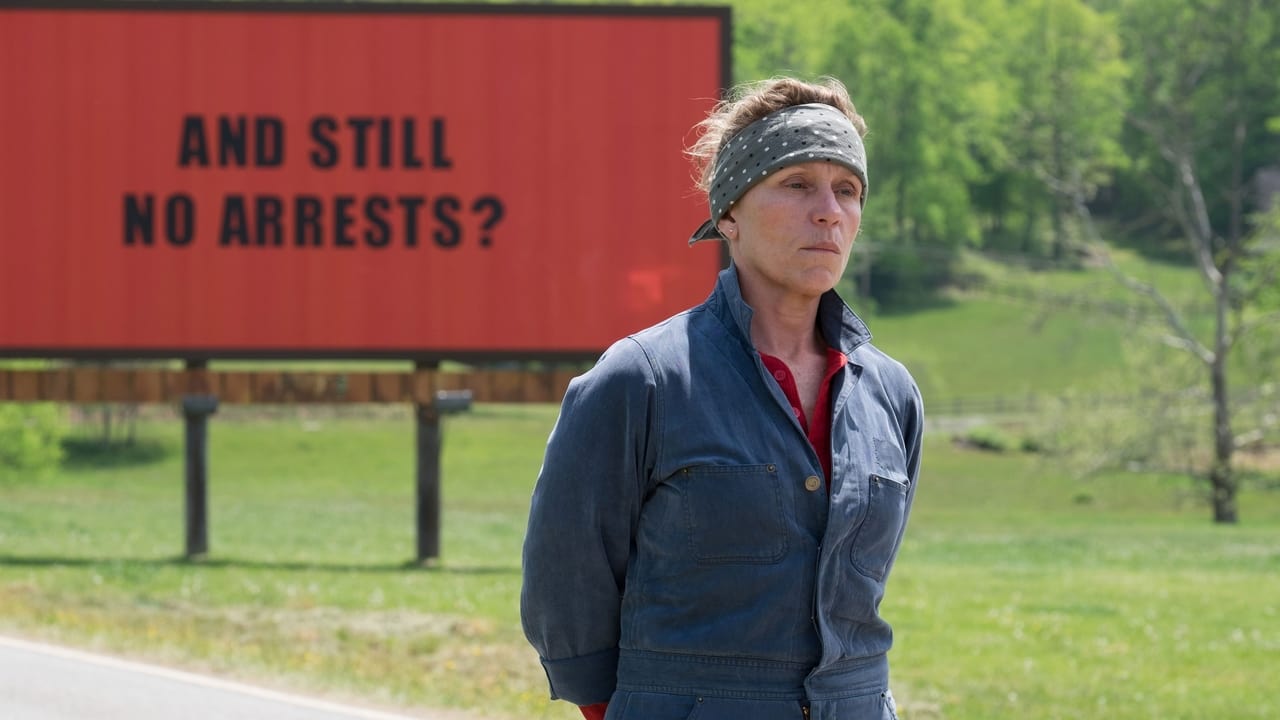
Three Billboards Outside Ebbing, Missouri

Chief Willoughby's voiceover letter is read by Officer Dixon as a chaotic firebombing occurs simultaneously. The letter offers unexpected, soulful advice on how to become a better detective through love and calm, contrasting sharply with Dixon's violent reality and the physical danger he is currently in.

Start a free 7-day trial — 5 downloads a day, unlimited when Pro begins

Rehearse on your terms

Take this monologue into rehearsal and work through it at your own pace.

Scene PreviewExcerpt — subscribe to read full scene

WILLOUGHBY

Cos you know what you need to become a detective? And I know you’re gonna wince when I say this... But what you need to become a detective... is Love. Because thru Love comes Calm, and thru Calm comes Thought. And you need Thought to detect stuff sometimes, Jason. It’s kinda all you need. You don’t even need a gun. And you definitely don’t need…

End of preview. Continue with Pro below.

7 days freeYour next rehearsal starts here

Found your next scene? Make it yours.

Start your free trial and read Willoughby's Letter to Dixon in full, with access to 1,000+ monologues and scenes to explore next.

  • Read the full scene and explore the library
  • Download your script in a clean, printable format
  • Take it into rehearsal with the Script Reader
Casting Types
Get Feedback
Coming Soon

Want expert coaching on this scene?

Browse our curated list of acting coaches, dialect specialists, and more.

Find a Coach

Need representation?

Browse verified agents and casting directors in our directory.

Scene Notes & Audition Tips

5 sections
About This Scene

This monologue features Chief Willoughby delivering a posthumous letter to Officer Dixon, offering profound and unexpected advice. It highlights a critical moment of transformation for Dixon, juxtaposing Willoughby's sage wisdom with the literal fire and chaos unfolding around him. The scene masterfully uses dramatic irony to underscore the message, as Willoughby's call for calm and love is read amidst an act of fiery violence.

Character Analysis

Willoughby, though absent, embodies a mentor figure dispensing powerful life lessons. His character is revealed through his wise, yet ironically delivered, counsel to Dixon. He displays a deep understanding of human nature, particularly Dixon’s flaws and potential for growth, demonstrating empathy and a desire for redemption, not just for himself but for his successor. Willoughby's tone is confident, even playful at times, masking a serious belief in the transformative power of perspective and inner peace.

Why This Works for Auditions

This monologue is excellent for auditions because it offers rich subtext and emotional depth for an actor to explore. The contrast between Willoughby's calm, insightful voice and the violent backdrop provides a compelling acting challenge, allowing for nuanced vocal performance. Its contemporary setting and powerful thematic elements of redemption and wisdom make it highly relevant and impactful, showcasing an actor's ability to convey complex character motivations.

Best Suited For

This piece is ideally suited for male actors aged 35-45 who are looking to portray a character with authority and depth. It strongly appeals to those comfortable with the "Anti-Hero" or "Mentor" casting types, and actors who can embody a "Gritty" sensibility while also conveying profound introspection. It's particularly effective for agent showcases and self-tapes where impactful, memorable performances are key.

Performance Tips

Focus on the internal conviction of Willoughby's words, even as you imagine the external chaos. Let the ironic humor of his advice land, but always ground it in genuine care for Dixon. Explore the warmth and wisdom in Willoughby's tone, ensuring it contrasts with the volatile environment. Pay close attention to pacing, allowing the weight of certain phrases to resonate, and consider how the legacy of Willoughby's character informs his final communication.

Explore this topic