
Film
duologue
Drama
Thriller

You Can't Stop What's Comin'

from No Country for Old Men

Written by Joel Coen, Ethan Coen

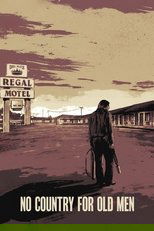
No Country for Old Men

An aging sheriff visits his retired, disabled relative to discuss his decision to quit, seeking perspective on the senseless violence of the world.

Start a free 7-day trial — 5 downloads a day, unlimited when Pro begins

Rehearse this scene
Rehearse on your terms

Choose your role and voices for the other characters. Run the scene at your own pace.

Scene PreviewExcerpt — subscribe to read full scene

ELLIS

Min back!

BELL

How'd you know I was here.

ELLIS

Who else'd be in your truck.

BELL

You heard it?

ELLIS

How's that?
End of preview. Continue with Pro below.

7 days freeYour next rehearsal starts here

Found your next scene? Make it yours.

Start your free trial and read You Can't Stop What's Comin' in full, with access to 4,000+ monologues and scenes to explore next.

  • Read the full scene and explore the library
  • Download your script in a clean, printable format
  • Take it into rehearsal with the Script Reader
Casting Types
Get Feedback
Coming Soon

Want expert coaching on this scene?

Browse our curated list of acting coaches, dialect specialists, and more.

Find a Coach

Need representation?

Browse verified agents and casting directors in our directory.

Scene Notes & Audition Tips

5 sections
About This Scene

This powerful duologue, "You Can't Stop What's Comin'," from the acclaimed film *No Country for Old Men*, features Sheriff Bell visiting his much older, retired relative, Ellis. Bell is struggling with his decision to quit the force, overwhelmed by the increasing, seemingly senseless violence he encounters, and seeks a deeper understanding or, perhaps, validation from Ellis. The scene masterfully explores themes of aging, the futility of fighting certain forces, and the search for wisdom in a world that feels increasingly out of control. It offers a poignant reflection on life's inevitable progression and the challenges of maintaining one's moral compass.

Character Analysis

Ellis, in his 70s and confined to a wheelchair, embodies a stark realism born from hardship and age. He is sharp-witted, observant, and speaks with a direct, almost brutal honesty that cuts through pretense, yet beneath his gruff exterior lies a profound, if cynical, wisdom. Bell, in his 60s, is a man wrestling with his conscience and a changing world. He is vulnerable and reflective, seeking guidance from a figure who has faced similar darkness. Both characters are grounded, world-weary men, but Ellis has transcended the struggle Bell is currently enduring, offering a unique perspective on regret and acceptance.

Why This Works for Auditions

This scene is an excellent choice for auditions due to its rich dramatic weight and nuanced character work. It provides ample opportunity for actors to showcase deep emotional vulnerability and thoughtful introspection without resorting to overt histrionics. The naturalistic dialogue, characteristic of the Coen Brothers, demands authenticity and a strong grasp of subtext, making it ideal for demonstrating mature acting skills. Its grounded setting and relatable themes of aging and facing difficult choices resonate universally, allowing actors to connect with the material on a deeply personal level and stand out.

Best Suited For

"You Can't Stop What's Comin'" is perfectly suited for male actors aged 55 and above who can portray gravitas, weariness, and a profound sense of lived experience. It's particularly effective for those looking to be cast as a Patriarch, Authority Figure, or an Everyman type dealing with gritty realities. The scene's vulnerable tone makes it an excellent fit for drama school auditions, agent showcases, and self-tapes where demonstrating depth of character and subtle emotional control is paramount. Actors who excel at quiet intensity and internal struggle will find this scene particularly rewarding.

Performance Tips

Approach Ellis with a sense of grounded stillness; his power comes from his observations and resigned wisdom, not overt action. For Bell, focus on his internal conflict and the weight of his decision; allow his vulnerability to show through his questioning and seeking. Pay close attention to the rhythm and cadence of the dialogue, as the Coens' writing is very specific and deliberate. Embrace the naturalistic, unhurried pace, letting the beats and pauses communicate unspoken emotions and character history. Remember, both characters are communicating a lifetime of experience through their words and silences.

Explore this topic