
Film
duologue
Comedy-Drama

You're Not Your Father

from The Holdovers

Written by David Hemingson

The Holdovers

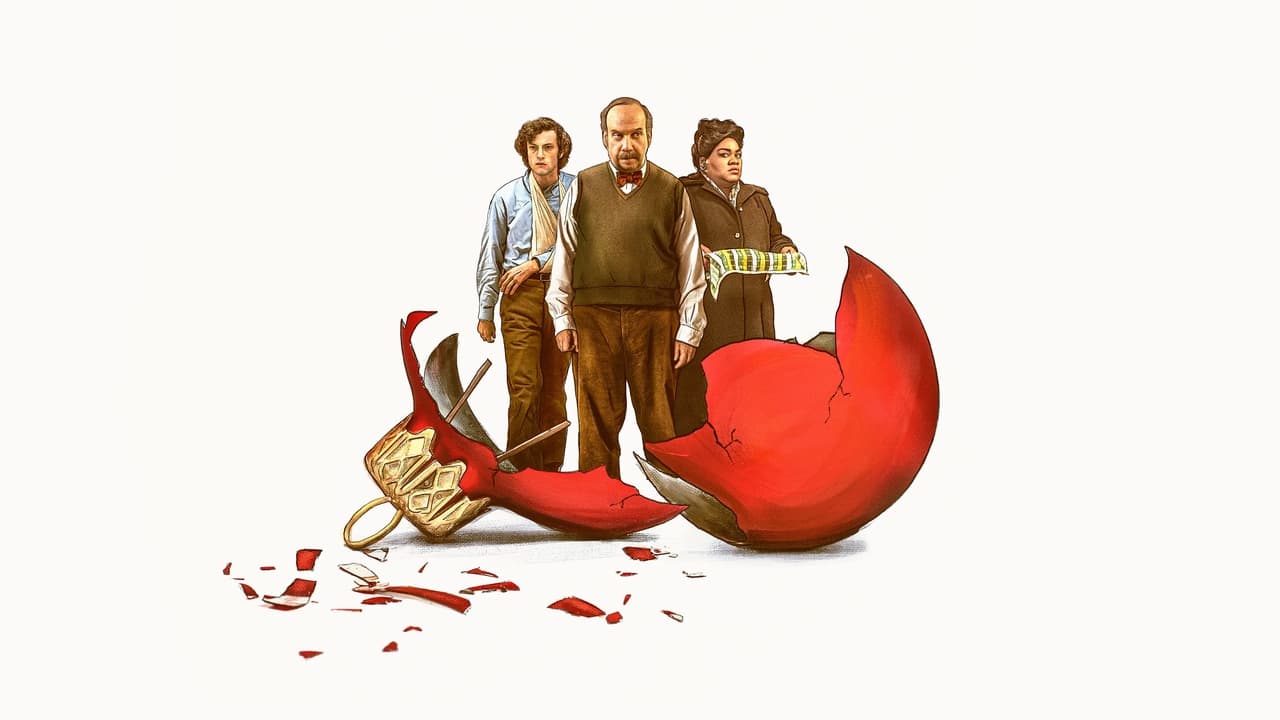
During a dinner at a fancy restaurant, Angus opens up to his teacher, Paul, about his father's mental decline and his fear that he is destined to follow the same path. Paul offers a rare moment of vulnerability and mentorship, reassuring Angus that he is his own person and has the power to change his future.

Start a free 7-day trial — 5 downloads a day, unlimited when Pro begins

Rehearse this scene
Rehearse on your terms

Choose your role and voices for the other characters. Run the scene at your own pace.

Scene PreviewExcerpt — subscribe to read full scene

ANGUS

He used to be fine. Better than fine. He was great. He was my dad. Then about four years ago, he started acting strange - like, erratic, forgetful, saying all this weird shit.

PAUL

That can’t be true. You’re her son.

ANGUS

And she’s right. I can’t keep it together. I lie. I steal. I piss people off. I don’t have any friends, real friends.…

End of preview. Continue with Pro below.

7 days freeYour next rehearsal starts here

Found your next scene? Make it yours.

Start your free trial and read You're Not Your Father in full, with access to 1,000+ monologues and scenes to explore next.

  • Read the full scene and explore the library
  • Download your script in a clean, printable format
  • Take it into rehearsal with the Script Reader
Casting Types
Get Feedback
Coming Soon

Want expert coaching on this scene?

Browse our curated list of acting coaches, dialect specialists, and more.

Find a Coach

Need representation?

Browse verified agents and casting directors in our directory.

Scene Notes & Audition Tips

5 sections
About This Scene

This poignant duologue from "The Holdovers" features a pivotal moment of vulnerability and connection between a troubled teenager, Angus, and his jaded teacher, Paul. Set in a fancy restaurant, the scene delves into Angus's deep-seated fears about inheriting his father's mental decline, prompting a rare moment of genuine mentorship and personal revelation from Paul. It’s a beautifully crafted comedic-drama piece that explores themes of family trauma, mental health, and the search for identity.

Character Analysis

Angus, within the 18-25 age range, is written as a complex teenager grappling with profound fear and anxiety regarding his future, specifically his perceived destiny to follow in his father's footsteps. His fear manifests in a vulnerability that is both raw and relatable, revealing a young man who is acutely aware of his flaws but also desperate for reassurance and guidance. Paul, the older mentor figure, starts as guarded but opens up to offer a deeply personal and insightful perspective, demonstrating his own journey through familial expectations and self-acceptance.

Why This Works for Auditions

This scene is an excellent choice for auditions due to its immediate emotional depth and the clear character arcs present within a short duration. It provides ample opportunity for an actor to showcase a range of emotions, from raw fear and confusion to tentative hope and understanding, all within a vulnerable tone. The mentor-teenager dynamic also allows for a compelling power shift and nuanced interplay between the characters, making it engaging and demonstrative of strong acting ability.

Best Suited For

This duologue is exceptionally well-suited for young male actors (18-25) looking for material that highlights depth, vulnerability, and comedic-drama skills. It is perfect for drama school auditions, agent showcases, or self-tapes where an actor needs to demonstrate a strong emotional core and the ability to connect authentically with a scene partner. Actors portraying "outsider," "teenager," or "intense" casting types will find this scene particularly resonant.

Performance Tips

When performing Angus, focus on internalizing the fear and the self-fulfilling prophecy he believes in; his vulnerability should feel earned and deeply personal. For Paul, the challenge lies in his initial guardedness slowly giving way to a more empathetic and self-revealing mentorship; explore the weight of his own past experiences informing his advice to Angus. Both characters benefit from a strong understanding of their underlying emotional journeys and the gradual build-up of their connection, allowing the tone to shift organically from raw fear to a glimmer of hope.

Explore this topic