
Film
duologue
Drama

A Father's Regret and a Dream for Rome

from Gladiator

Written by David Franzoni

Gladiator

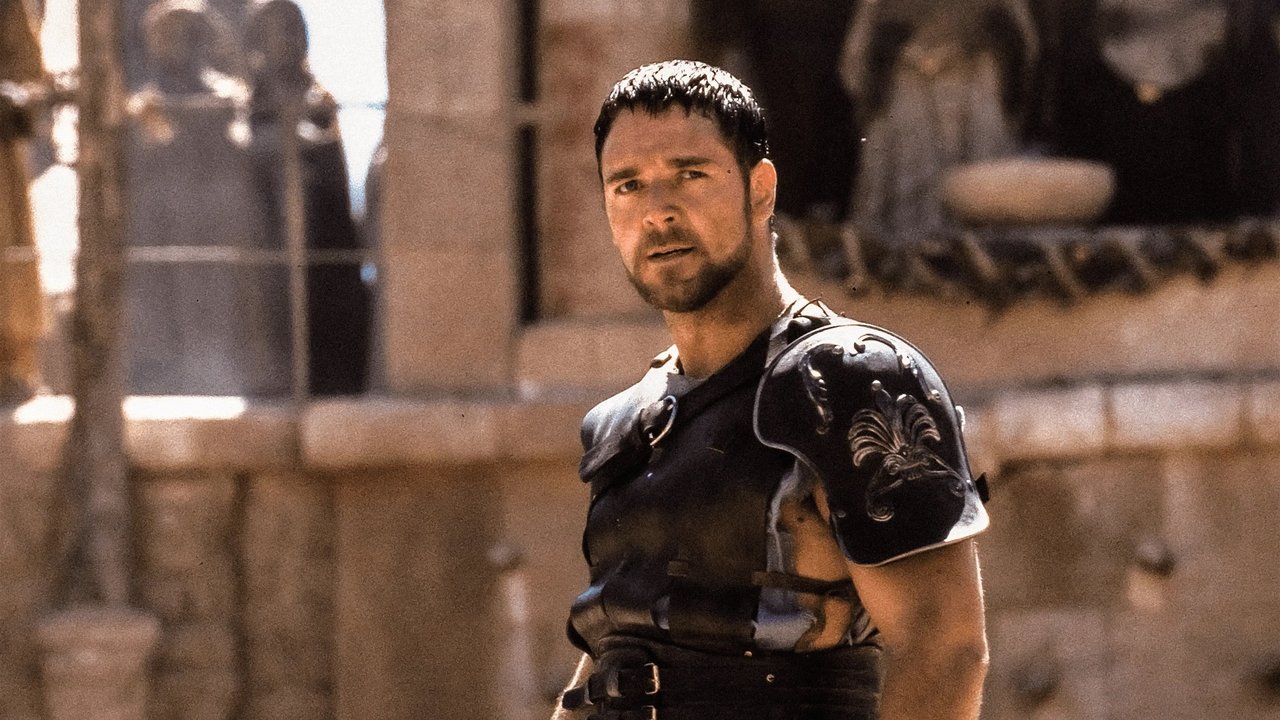
The dying Emperor Marcus Aurelius asks his loyal general Maximus to succeed him and restore the Roman Republic, bypassing his own corrupt son.

Start a free 7-day trial — 5 downloads a day, unlimited when Pro begins

Rehearse this scene
Rehearse on your terms

Choose your role and voices for the other characters. Run the scene at your own pace.

Scene PreviewExcerpt — subscribe to read full scene

MARCUS

Of course. No matter. In this letter I denote my intention to nominate you to stand for the Emperorship after my death.

MARCUS

My son is not a moral man. You have known this since you were young. He cannot rule.

MAXIMUS

Caesar, I am honored but --

End of preview. Continue with Pro below.

7 days freeYour next rehearsal starts here

Found your next scene? Make it yours.

Start your free trial and read A Father's Regret and a Dream for Rome in full, with access to 3,000+ monologues and scenes to explore next.

  • Read the full scene and explore the library
  • Download your script in a clean, printable format
  • Take it into rehearsal with the Script Reader
Casting Types
Get Feedback
Coming Soon

Want expert coaching on this scene?

Browse our curated list of acting coaches, dialect specialists, and more.

Find a Coach

Need representation?

Browse verified agents and casting directors in our directory.

Scene Notes & Audition Tips

5 sections
About This Scene

This powerful duologue from the Academy Award-winning film *Gladiator* presents a pivotal moment between the dying Emperor Marcus Aurelius and his most trusted general, Maximus. The aging Emperor makes a shocking request, intending to bypass his son, Commodus, and name Maximus as his successor to restore the Roman Republic. This deeply personal and politically charged conversation explores duty, legacy, betrayal, and the profound weight of leadership. The scene is imbued with urgency and historical gravitas, as Marcus Aurelius grapples with his final decisions for Rome's future.

Character Analysis

Marcus Aurelius is depicted here as a wise, weary, and regretful leader, burdened by his reign and his failures as a father. He embodies a patriarch seeking to make amends for a lifetime of warfare and to correct the course of a declining empire. Maximus, conversely, is the epitome of a loyal general, unexpectedly thrust into political intrigue far beyond his military station. His responses are initially deferential and hesitant, but reveal his deep respect for the Emperor and his inherent moral compass. The scene demands both actors portray immense internal conflict and external composure.

Why This Works for Auditions

This scene offers exceptional material for auditions due to its rich emotional landscape and profound ethical dilemma. It provides actors the opportunity to display nuance, gravitas, and the ability to convey complex inner turmoil through subtle gestures and powerful dialogue. The clear power dynamic, shifting stakes, and intense personal connection between characters allow for a compelling display of scene work and active listening. Auditioners can showcase their command of dramatic text and their capacity to portray characters facing life-altering decisions under immense pressure.

Best Suited For

This duologue is ideally suited for male actors in their 30s for Maximus and 60s-70s for Marcus Aurelius, aligning with casting types such as Leading Man, Everyman, Patriarch, Authority Figure, and Mentor. Its powerful dramatic tone and weighty themes make it perfect for drama school auditions, agent showcases, and self-tapes where actors need to demonstrate significant emotional depth and presence. The scene’s gravitas and intellectual demands also make it an excellent choice for general practice, allowing actors to hone skills in character development and sustained emotional performance within a high-stakes scenario.

Performance Tips

When approaching this scene, actors should focus on the underlying subtext of regret and desperate hope for Marcus, and the shock, humility, and unwavering loyalty for Maximus. Pay close attention to the shifting power dynamics and the profound respect shared between the characters, even as Marcus challenges Maximus with an impossible request. Utilize pauses and silences to convey the weight of the conversation and the unspoken emotions. For Marcus, explore the weariness and deep philosophical conviction behind his words; for Maximus, portray the internal struggle between duty, personal ambition, and his moral compass.

Explore this topic