Film
duologue
Drama

A King's Support

from Darkest Hour

Written by Anthony McCarten

Darkest Hour

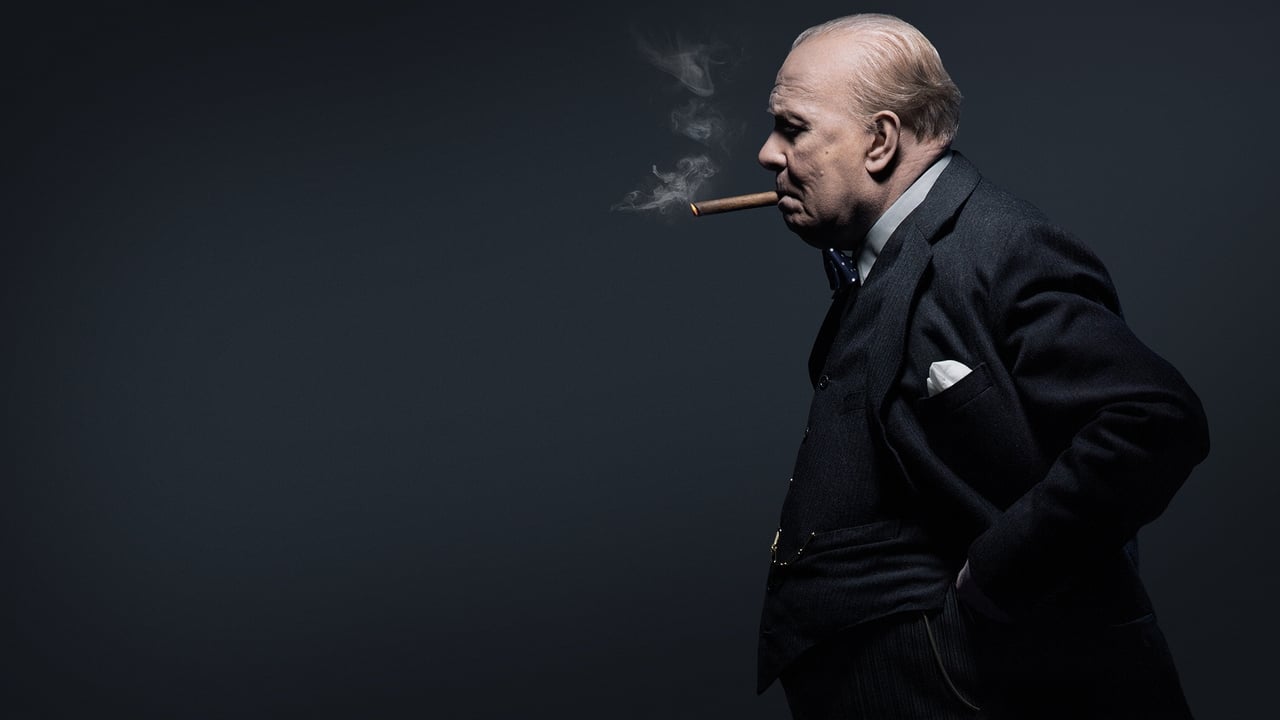
King George VI visits Winston Churchill to offer his full support and advice as the Prime Minister faces political collapse and the threat of invasion.

Start a free 7-day trial — 5 downloads a day, unlimited when Pro begins

Rehearse this scene
Rehearse on your terms

Choose your role and voices for the other characters. Run the scene at your own pace.

Scene PreviewExcerpt — subscribe to read full scene

WINSTON

Later today I will address The House. The war cabinet is drafting a letter to Mussolini, asking him to broker talks with Herr Hitler.

GEORGE VI

Then Halifax was correct.

WINSTON

I should like to know your mind.

GEORGE VI

It would be helpful to know yours first.

End of preview. Continue with Pro below.

7 days freeYour next rehearsal starts here

Found your next scene? Make it yours.

Start your free trial and read A King's Support in full, with access to 3,000+ monologues and scenes to explore next.

  • Read the full scene and explore the library
  • Download your script in a clean, printable format
  • Take it into rehearsal with the Script Reader
Casting Types
Get Feedback
Coming Soon

Want expert coaching on this scene?

Browse our curated list of acting coaches, dialect specialists, and more.

Find a Coach

Need representation?

Browse verified agents and casting directors in our directory.

Scene Notes & Audition Tips

5 sections
About This Scene

This powerful duologue, "A King's Support," extracted from the Academy Award-winning film *Darkest Hour*, captures a pivotal moment of political and personal crisis. The scene features Winston Churchill, the newly appointed Prime Minister, in a deeply vulnerable state, facing overwhelming pressure and potential defeat amidst the threat of invasion. King George VI pays a visit to Churchill, initially with reservations, but ultimately offering crucial, unwavering support and advice. This interaction is a study in leadership, vulnerability, and the forging of a vital alliance during one of history's most challenging periods.

Character Analysis

Winston Churchill, portrayed here in his 60s, is shown grappling with immense fear and the potential collapse of his political standing and the nation. He reveals a profound vulnerability, admitting his terror and the crumbling support from his party, contrasting sharply with his public persona. King George VI, in his 40s, begins with a more reserved, almost questioning demeanor, but evolves into a figure of profound strength and conviction. He moves from initial skepticism about Churchill's leadership to becoming a passionate advocate, offering not just royal endorsement but also deeply personal encouragement and practical advice. Both characters navigate a complex emotional landscape, revealing layers of doubt, courage, and resolve.

Why This Works for Auditions

This scene offers actors a fantastic opportunity to showcase a wide range of emotions within a compact duration. The shifting power dynamics, from Churchill's initial despair to the King's evolving support, provide rich material for nuanced performance. It demands authenticity in depicting high stakes, personal vulnerability, and the immense pressure of leadership. The scene allows actors to explore both intellectual debate and profound emotional connection, making it excellent for demonstrating depth and versatility in a dramatic context.

Best Suited For

"A King's Support" is ideally suited for male actors aged 55+ and 40s respectively, who can authentically embody the gravitas and historical weight of these iconic figures. It is particularly effective for those looking to portray complex characters with strong patriarchal, authority figure, or intense casting types. This duologue is perfect for drama school auditions, agent showcases, or self-tapes where demonstrating emotional range and command of dramatic material is paramount. Actors who excel at portraying leadership under duress, or characters undergoing significant emotional shifts, will find this scene particularly rewarding.

Performance Tips

When performing this scene, focus on the emotional arc of each character rather than simply reciting lines. For Winston, allow his internal fear and desperation to be subtly present, even through moments of stoicism, and let the King's support truly land as a profound relief. For King George VI, emphasize the journey from cautious observation to firm conviction, using his physical presence to convey growing resolve and empathy. Pay close attention to the subtle shifts in power and understanding between them, allowing the unsaid emotions to resonate. Remember that the historical context of war and national crisis should inform every beat, adding gravity to their personal struggles and eventual alliance.

Explore this topic