
Film
group
Drama

He shouted at you. Did he shout at you?

from Darkest Hour

Written by Anthony McCarten

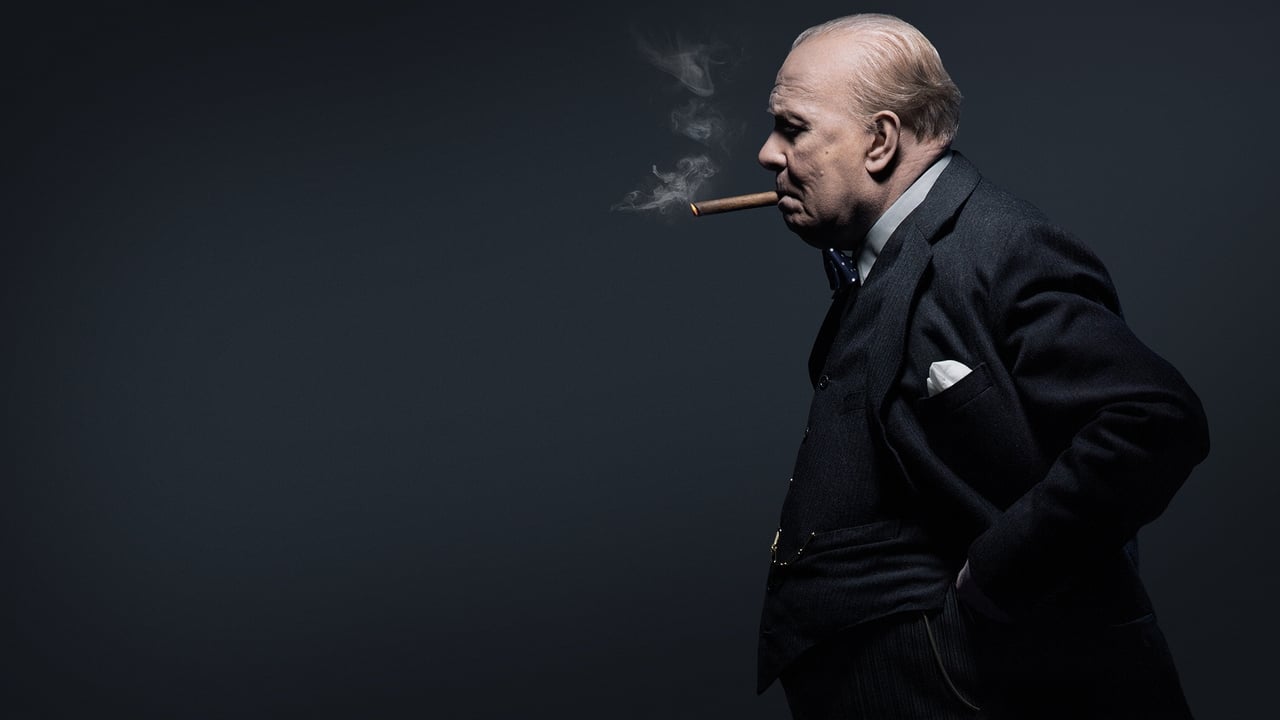
Darkest Hour

Clemmie Churchill comforts a distressed secretary before confronting Winston about his increasingly abrasive and unkind behavior.

Start a free 7-day trial — 5 downloads a day, unlimited when Pro begins

Rehearse this scene
Rehearse on your terms

Choose your role and voices for the other characters. Run the scene at your own pace.

Scene PreviewExcerpt — subscribe to read full scene

CLEMMIE

Ah. He shouted at you. Did he shout at you?

ELIZABETH

Yes, but I....

CLEMMIE

He can be an awful brute.

ELIZABETH

No! I made too many mistakes.

CLEMMIE

I think you were nervous. And he has a knack for drawing out the very worst in those trying to help him the most.

End of preview. Continue with Pro below.

7 days freeYour next rehearsal starts here

Found your next scene? Make it yours.

Start your free trial and read He shouted at you. Did he shout at you? in full, with access to 3,000+ monologues and scenes to explore next.

  • Read the full scene and explore the library
  • Download your script in a clean, printable format
  • Take it into rehearsal with the Script Reader
Casting Types
Get Feedback
Coming Soon

Want expert coaching on this scene?

Browse our curated list of acting coaches, dialect specialists, and more.

Find a Coach

Need representation?

Browse verified agents and casting directors in our directory.

Scene Notes & Audition Tips

5 sections
About This Scene

This powerful dramatic scene from the film *Darkest Hour* centers on Clemmie Churchill, who acts as both a compassionate confidante and a formidable figure of authority. The scene opens with Clemmie comforting Elizabeth, a young secretary visibly distressed after an encounter with Winston, establishing Clemmie's empathetic nature and keen observation skills. It then pivots to a direct, yet deeply personal, confrontation between Clemmie and Winston, where she fearlessly addresses his increasingly harsh demeanor, highlighting the immense pressure and responsibility he carries while also reminding him of his essential kindness.

Character Analysis

Clemmie, in this scene, is portrayed as intelligent, observant, and fiercely protective of those around her, including her husband's reputation and his inner circle. She possesses a remarkable blend of warmth and steel, first offering gentle understanding to Elizabeth, then immediately stepping into the role of a wise counsel and an unyielding truth-teller to Winston. Her ability to navigate complex emotional landscapes, from maternal comfort to challenging a powerful individual, showcases a character with significant emotional depth and unwavering conviction. She represents a strong matriarchal presence, capable of influencing the most powerful of men.

Why This Works for Auditions

This scene offers exceptional material for auditions due to its clear emotional arc and strong, well-defined character objectives for Clemmie. It allows an actor to demonstrate a broad range of emotions – from empathy and concern to frustration, love, and firm resolve – within a short timeframe. The dual nature of the scene, moving from a supportive interaction to a direct confrontation, provides a fantastic opportunity to showcase versatility and the ability to command different relational dynamics. The dialogue is sharp, intelligent, and rich with subtext, making it ideal for displaying nuanced acting choices.

Best Suited For

This scene is particularly well-suited for female actors in the 45-55 age range who are looking to portray a sophisticated, intense, and authoritative character. It would be an excellent choice for casting types such as Matriarchs or Authority Figures, especially those who can convey a strong inner conviction and a sense of deep personal investment. The emotional weight and character complexity make it perfect for agent showcases, self-tapes, and general practice, allowing actors to demonstrate their dramatic prowess and ability to command a scene with both warmth and gravitas.

Performance Tips

When approaching Clemmie, focus on her quiet power and grounded presence. In the initial interaction with Elizabeth, let your empathy shine through, showing genuine concern and understanding without being overtly dramatic. Transitioning to Winston, maintain eye contact and a steady tone, allowing your love for him to underscore your firm critique. Clemmie’s motivation is not to belittle but to protect and improve him, so convey that underlying affection and concern even as you deliver challenging truths. Pay close attention to pacing; the scene builds from gentle concern to a direct, impactful appeal, so allow that tension to escalate naturally.

Explore this topic