
Skip to content
    Film
    duologue
    Sci-Fi

    Abe Makes Joe Give Up His Friend Seth

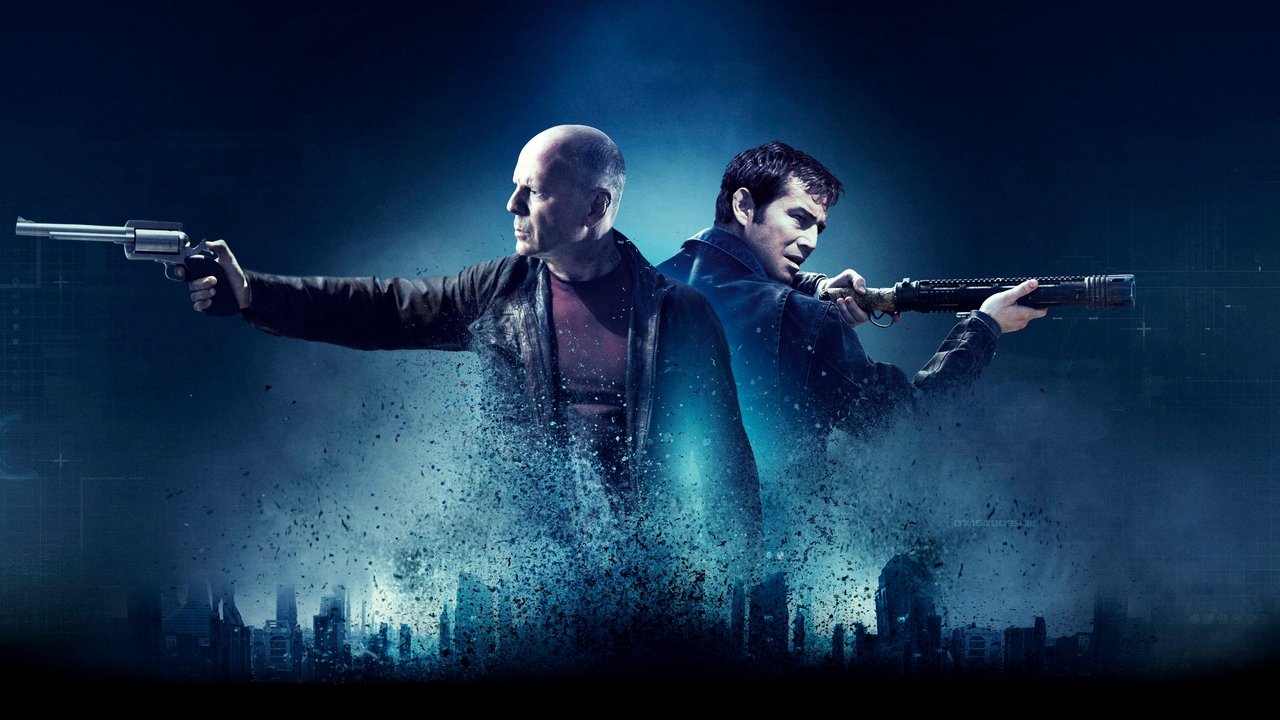
    from Looper

    Written by Rian Johnson

    Looper

    3 min · 2 characters · Any gender · 45-55

    Abe, a mob boss from the future, interrogates Joe about a fugitive friend, using their shared history to manipulate Joe into a betrayal.

    Start a free 7-day trial — 5 downloads a day, unlimited when Pro begins

    Rehearse this scene
    Rehearse on your terms

    Choose your role and voices for the other characters. Run the scene at your own pace.

    Scene PreviewExcerpt — subscribe to read full scene

    ABE

    My great grandfather always told my grandfather, men’s like spiders. It’s the little ones you gotta be careful of.

    JOE

    Dunno I agree with that.

    ABE

    Oh yeah? Well. What the fuck did my great grandfather know. How can you kids stand those chokers? This, the cravats.

    JOE

    Ties.

    ABE

    Ridiculous. You’re aware we don’t have a dress code.

    End of preview. Continue with Pro below.

    7 days freeYour next rehearsal starts here

    Found your next scene? Make it yours.

    Start your free trial and read Abe Makes Joe Give Up His Friend Seth in full, with access to 7,000+ monologues and scenes to explore next.

    • Read the full scene and explore the library
    • Download your script in a clean, printable format
    • Take it into rehearsal with the Script Reader
    Casting Types
    Get Feedback
    Coming Soon

    Want expert coaching on this scene?

    Browse our curated list of acting coaches, dialect specialists, and more.

    Find a Coach

    Need representation?

    Browse verified agents and casting directors in our directory.

    Scene Notes & Audition Tips

    5 sections
    About This Scene

    In Rian Johnson's sci-fi crime drama, mob boss Abe conducts an informal interrogation of Joe inside a cluttered office. Abe knows that Joe's fugitive friend has sought him out, and he intends to break Joe's silence through psychological pressure rather than overt physical violence. The exchange establishes a tense battle of wills, balancing casual domestic conversation against the life-or-death consequences of criminal betrayal.

    Character Analysis

    Abe is an authority figure who relies on disarming charm, paternal familiarity, and sharp psychological insight to command respect. Rather than resorting to immediate brutality, he uses conversational banter and shared nostalgia to demonstrate complete control over the room. Joe is a guarded anti-hero attempting to project calm indifference while secretly calculating how to survive the encounter. His responses are clipped and measured, designed to deflect suspicion while concealing his internal panic.

    Why This Works for Auditions

    This duologue is an exceptional exercise in subtext, pacing, and status play. For the actor reading Abe, the material demonstrates the ability to convey quiet intimidation and storytelling prowess without leaning into clichéd villain mannerisms. For the actor playing Joe, the scene demands powerful active listening, tactical restraint, and the subtle communication of rising fear beneath an impassive exterior. The contrasting rhythms between Abe's expansive monologuing and Joe's defensive brevity create engaging, dynamic scene work.

    Best Suited For

    This three-minute piece is well suited for self-tapes, agent showcases, and general scene study practice. It fits casting types including Authority Figure, Villain, Anti-Hero, and Everyman. While catalogued with a mature age bracket, the scene provides versatile opportunities for performers capable of handling intense contemporary drama driven by moral compromise and loyalty.

    Performance Tips

    Performers should avoid playing the stakes at maximum volume, as the scene's power lies in its calculated restraint. The actor portraying Abe should keep the delivery conversational and grounded, allowing the underlying danger to emerge naturally through rhythm and direct eye contact. The actor playing Joe must resist overreacting to the threats, letting microscopic shifts in posture and breathing telegraph the character's desperate internal dilemma.

    No ratings yet
    Sign in to rate