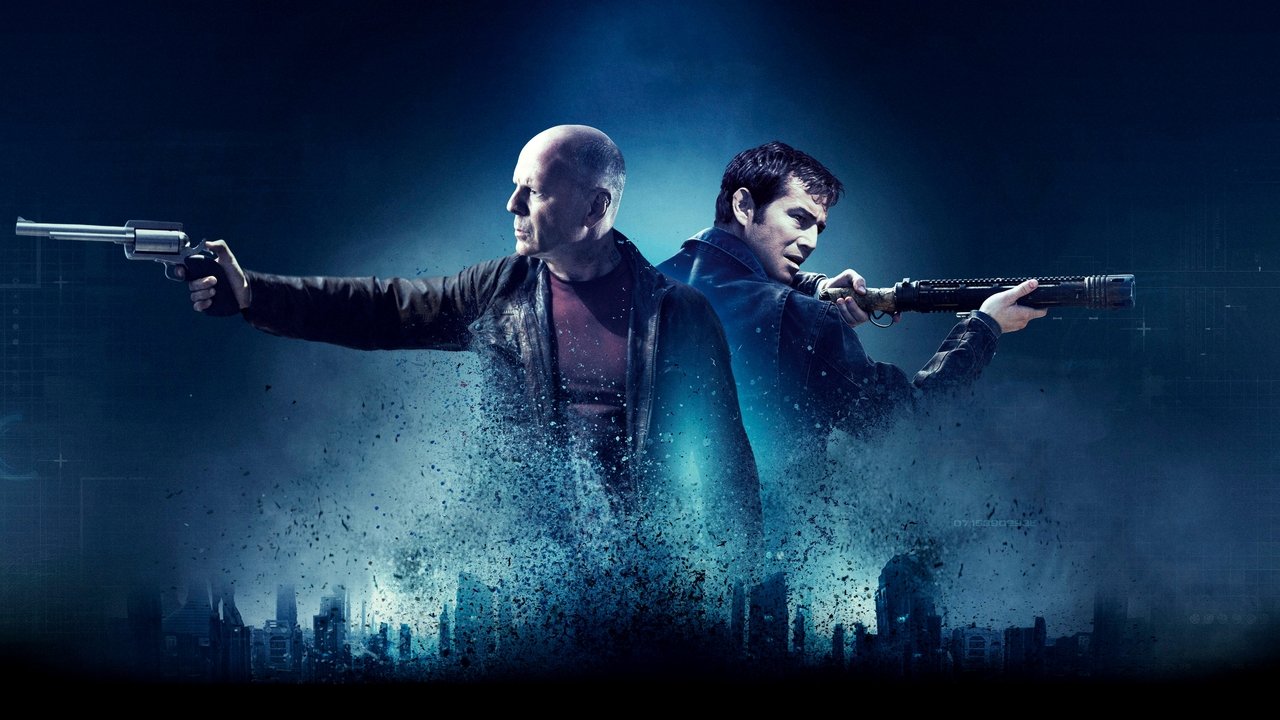

The Woman Who Saved Him — Looper

A young assassin reflects on his future self's memories of a woman who changed his life. He realizes the depth of his future self's sacrifice and decides to embrace his destiny, understanding that he must die to protect the woman he has yet to meet.

JOE: At first I thought it was the wind, but then I realized he was talking to me. A low graved voice I almost didn’t recognize. He was telling me about the woman. It was hard for him. He kept starting and stopping. He spoke deliberately, as if very clearly trying to articulate a focused point. But his words were hazy memories, vague but vibrant emotional…

Format: Monologue · Genre: sci-fi, drama, thriller · Source: Looper · Author: Rian Johnson · Characters: Joe

About This Scene

This monologue, "The Woman Who Saved Him," offers a deeply introspective journey into the mind of Joe, a young assassin grappling with the profound impact of memories from his future self. It delves into themes of destiny, sacrifice, and the transformative power of love, even love yet to be experienced. The monologuist navigates a complex emotional landscape, moving from initial confusion and resistance to a stark, tragic realization about his predetermined path.

Character Analysis

Joe is revealed as a man initially detached and pragmatic, deeply ingrained in a violent and solitary existence as an assassin. However, as the monologue progresses, he displays a profound vulnerability and an unexpected capacity for empathy, especially through the lens of his future self's memories. He is reflective, processing the difficult information he has received, and ultimately tragic, as he accepts a destiny that requires his own demise. His internal struggle between self-preservation and a higher purpose defines his arc within this piece, showcasing a character with significant emotional depth.

Why This Works for Auditions

This monologue is excellent for auditions because it demands a wide emotional range within a contained setting. It allows an actor to showcase their ability to portray internal conflict, deep reflection, and a transformative emotional journey without relying on external dialogue. The layered narrative about memory and destiny provides ample opportunity for nuanced vocal and physical choices, demonstrating a sophisticated understanding of character and storytelling. Its focus on internal thought makes it particularly well-suited for close-up self-tapes where subtlety can truly shine.

Best Suited For

This piece is ideally suited for male actors in their 30s-40s who can convincingly portray intensity, vulnerability, and a gritty realism. It's perfect for those aspiring to play leading men with a dark edge, anti-heroes, or characters burdened by significant internal struggles. Given its dramatic weight and intellectual depth, it is particularly effective for drama school auditions and general practice, allowing actors to deeply explore tragic and existential themes in a compelling performance.

Performance Tips

When performing this monologue, focus on the shifts in Joe's understanding and emotional state. Begin with a sense of confusion and detached observation, gradually allowing the impact of the future self's memories to penetrate Joe’s guarded exterior. Pay close attention to vocal texture and pacing to convey the reflective nature of the piece and the subtle build-up of emotional realization. Physicality should be grounded but able to convey internal tension and the weight of his contemplation. Explore the moments of resistance before finally yielding to the tragic acceptance of his fate, ensuring the audience feels the profound sacrifice he embraces.