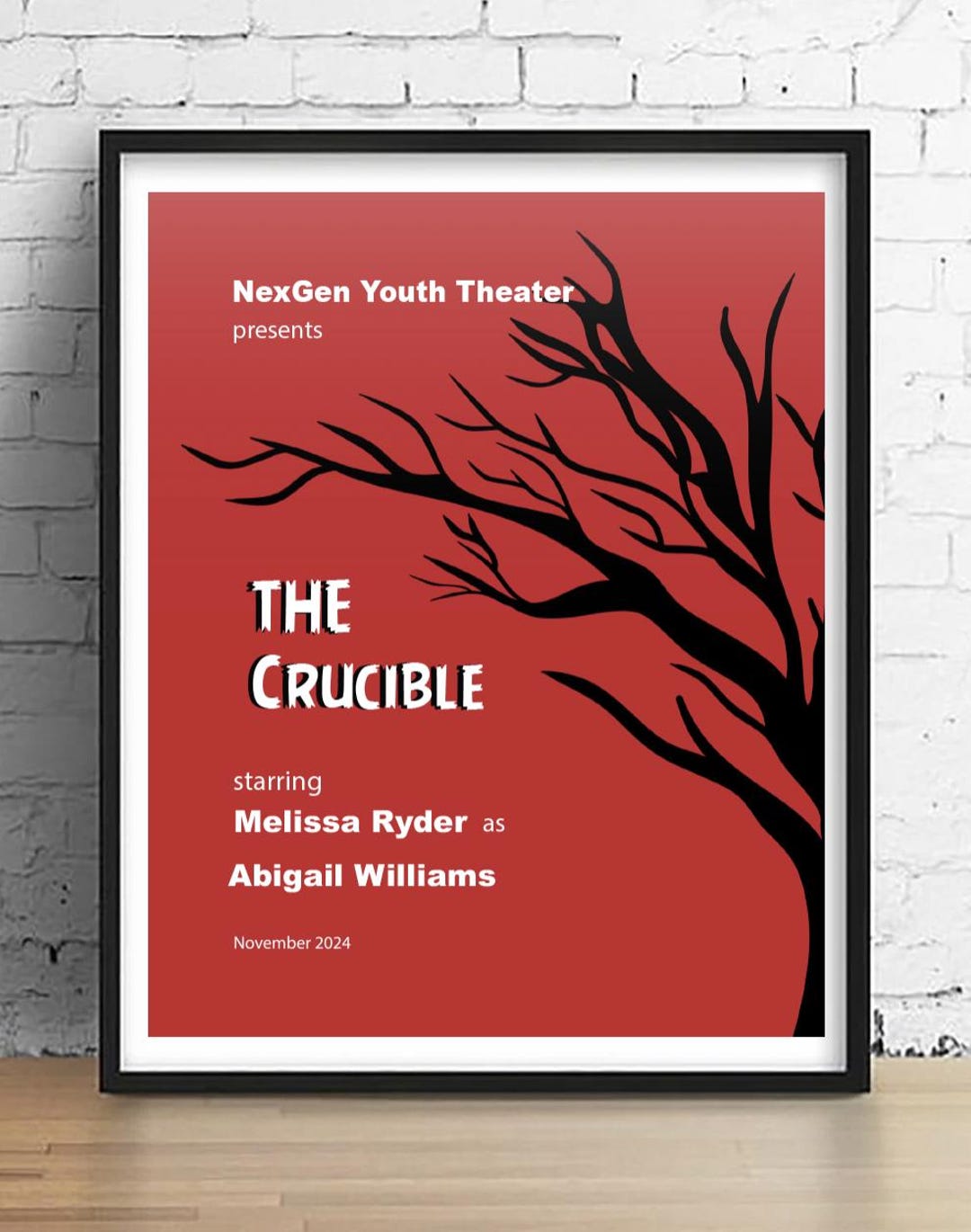
Play
monologue
Drama

Act II — The Accusation of Sarah Good

from The Crucible

Written by Arthur Miller

Act II — The Accusation of Sarah Good from The Crucible — audition scene

Mary Warren, a young servant caught up in the Salem witch trials, hysterically describes how she felt a 'misty coldness' in court and realized Sarah Good was bewitching her. She justifies the court's actions to John Proctor by explaining that the woman could not recite her Ten Commandments.

Start a free 7-day trial — 5 downloads a day, unlimited when Pro begins

Rehearse on your terms

Take this monologue into rehearsal and work through it at your own pace.

Scene PreviewExcerpt — subscribe to read full scene

MARY WARREN

I never knew it before. I never knew anything before. When she come into the court I say to myself, I must not accuse this woman, for she sleeps in ditches, and so very old and poor. But then—then she sit there, denying and denying, and I feel a misty coldness climbin' up my back, and the skin on my skull begin to creep, and I feel a clamp…

End of preview. Continue with Pro below.

7 days freeYour next rehearsal starts here

Found your next scene? Make it yours.

Start your free trial and read Act II — The Accusation of Sarah Good in full, with access to 4,500+ monologues and scenes to explore next.

  • Read the full scene and explore the library
  • Download your script in a clean, printable format
  • Take it into rehearsal with the Script Reader
Casting Types
Get Feedback
Coming Soon

Want expert coaching on this scene?

Browse our curated list of acting coaches, dialect specialists, and more.

Find a Coach

Need representation?

Browse verified agents and casting directors in our directory.

Scene Notes & Audition Tips

5 sections
About This Scene

This powerful monologue from Arthur Miller's "The Crucible" features Mary Warren, a young servant embroiled in the terrifying Salem witch trials. She recounts her experience in court, hysterically justifying the conviction of Sarah Good to John Proctor. Mary describes a profound, chilling physical and emotional reaction, portraying it as evidence of Sarah Good's witchcraft. The scene delves deep into the psychological manipulation and mass hysteria that characterized this dark period, offering a vivid glimpse into Mary's tormented conscience and profound fear.

Character Analysis

Mary Warren is presented here as a profoundly vulnerable and impressionable young woman, caught between her own moral compass and the overwhelming pressure of societal panic. Her frantic explanation reveals a character struggling to reconcile her personal observations with the terrifying narrative of witchcraft unfolding around her. She experiences a vivid internal conflict, oscillating between a desire for truth and a desperate need for self-preservation. This monologue showcases her susceptibility to influence and her frantic attempt to rationalize actions she barely understands, painting a portrait of youthful innocence corrupted by fear.

Why This Works for Auditions

This monologue is an excellent choice for auditions because it offers a wide emotional range within a compact duration. Actors can demonstrate a nuanced portrayal of vulnerability, hysteria, fear, and a desperate attempt at self-justification, all in under two minutes. The monologue provides clear internal shifts and external justifications, allowing performers to showcase strong dramatic skills and the ability to build tension effectively. Its modern-classic status also signals an actor's comfort with foundational dramatic texts and complex character work.

Best Suited For

This monologue is particularly well-suited for actors aiming for drama school auditions, agent showcases, or competitions. It's ideal for those casting as Ingenue, Vulnerable, Dramatic, or Teenager types, specifically female actors within the 18-25 age range. Its intensity and emotional depth make it perfect for showcasing an actor's ability to tackle dramatic roles involving internal conflict, fear, and a descent into hysteria, aligning perfectly with the themes of Salem, witchcraft, and betrayal.

Performance Tips

When approaching this monologue, focus on Mary's escalating sense of fear and the psychological impact of the court's atmosphere. Allow her vulnerability to shine through her frantic words, showing that her hysteria is born out of genuine terror and confusion, not just malicious intent. Pay close attention to the physical sensations she describes – the "misty coldness," the "creeping skin," the "clamp around the neck" – and let these drive your performance, connecting her internal state to her outward expression. Emphasize the conflict between what she "knew" and what she is now forced to believe, making her justification feel like a desperate plea for understanding.

Explore this topic