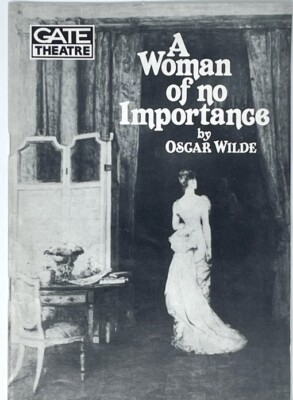
Play
duologue
Drama

Act II: The Claim to a Son

from A Woman of No Importance

Written by Oscar Wilde

A Woman of No Importance

In Act II, Mrs. Arbuthnot tries to stop Lord Illingworth taking their son Gerald away as his secretary. Illingworth moves from paternal charm to blame, career promises, and finally the threat of Gerald judging his mother. This extended two-person scene suits partnered scene study: both actors have a concrete goal, a shared history, and repeated changes of tactic. Allow roughly 6-7 minutes; it is not a two-minute audition cut.

Start a free 7-day trial — 5 downloads a day, unlimited when Pro begins

Rehearse this scene
Rehearse on your terms

Choose your role and voices for the other characters. Run the scene at your own pace.

Scene PreviewExcerpt — subscribe to read full scene

LORD ILLINGWORTH

So that is our son, Rachel! Well, I am very proud of him. He is a Harford, every inch of him. By the way, why Arbuthnot, Rachel?

MRS. ARBUTHNOT

One name is as good as another, when one has no right to any name.

LORD ILLINGWORTH

I suppose so—but why Gerald?

MRS. ARBUTHNOT

After a man whose heart I broke—after my father.

End of preview. Continue with Pro below.

7 days freeYour next rehearsal starts here

Found your next scene? Make it yours.

Start your free trial and read Act II: The Claim to a Son in full, with access to 1,000+ monologues and scenes to explore next.

  • Read the full scene and explore the library
  • Download your script in a clean, printable format
  • Take it into rehearsal with the Script Reader
Casting Types
Get Feedback
Coming Soon

Want expert coaching on this scene?

Browse our curated list of acting coaches, dialect specialists, and more.

Find a Coach

Need representation?

Browse verified agents and casting directors in our directory.

Scene Notes & Audition Tips

5 sections
About This Scene

This powerful duologue, "Act II: The Claim to a Son," from Oscar Wilde's "A Woman of No Importance," presents a high-stakes confrontation between Lord Illingworth and Mrs. Arbuthnot. Set in a drawing-room after dinner, the scene unravels a shared, hidden past as Mrs. Arbuthnot attempts to prevent Illingworth from taking their son, Gerald, on as his secretary. It is a dramatic exploration of betrayal, class conflict, and the deeply personal battle over parental rights, revealing the complex, intense history that binds these two characters.

Character Analysis

Lord Illingworth is a classic Wildean patriarch, sophisticated and upper-class, but also a villain in his past actions towards Mrs. Arbuthnot and their son. He moves from a seemingly charming, almost paternal tone to calculated blame and offers of career advancement, ultimately wielding the threat of Gerald’s judgment against his mother. Mrs. Arbuthnot, the matriarch, is driven by a fierce, protective maternal instinct and a deep-seated resentment from past abandonment and societal shame. She stands her ground, desperately fighting to retain her son’s sole loyalty and autonomy, carrying the weight of a secret life and profound injustice.

Why This Works for Auditions

This scene is exceptional for auditions due to its immediate high stakes and the clear, contrasting objectives of both characters. The extended duration allows actors to showcase a broad emotional range and sustained focus, moving through various tactics and emotional shifts as the confrontation escalates. It powerfully demonstrates an actor's ability to navigate complex dialogue, embody a distinct period style, and convey a profound personal history through subtext and vocal choices. The scene provides ample opportunity for both actors to shine individually while demonstrating strong scene partnership.

Best Suited For

"Act II: The Claim to a Son" is ideally suited for actors within the 45-55 age range who are looking for classical drama material. It particularly benefits those castable as a Patriarch, Matriarch, Upper Class figure, or someone embodying villainous or sophisticated qualities. This piece is excellent for drama school auditions, where depth of character and emotional command are paramount, and would also make a strong impression in an agent showcase or for general practice in classical scene study.

Performance Tips

When approaching this scene, pay close attention to Wilde’s heightened language and the underlying emotional current of each line. For Lord Illingworth, focus on the subtle shifts in charm and manipulation, making his perceived benevolence feel like a weapon. For Mrs. Arbuthnot, channel her deep-seated pain and fierce protectiveness, allowing her vulnerability to fuel her defiance rather than diminish it. Explore the status dynamics and the weight of their shared history, ensuring that every verbal exchange is layered with unspoken resentment and desperate longing, making the confrontation intensely personal and deeply impactful.

Explore this topic