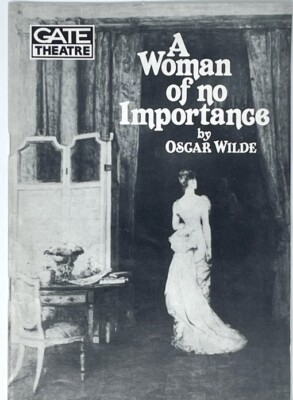
Hester, a young American visitor, delivers a scathing critique of the English upper class's hypocrisy and moral decay. She challenges their superficial values and lack of spiritual depth, contrasting their wealth with their perceived spiritual poverty.
HESTER: We are trying to build up life, Lady Hunstanton, on a better, truer, purer basis than life rests on here. This sounds strange to you all, no doubt. How could it sound other than strange? You rich people in England, you don’t know how you are living. How could you know? You shut out from your
Create a free account to explore more
Upgrade to Pro for full access — £6.99/month
Director's Notes
Explore More
Want expert coaching on this scene?
Browse our curated list of acting coaches, dialect specialists, and more.
Need representation?
Browse verified agents and casting directors in our directory.
How well does this scene match you?
Save your casting profile to see match scores on every scene.
Try Headshot AnalyserGo Pro
£6.99/mo
- ✓ Unlimited scene reading
- ✓ PDF downloads
- ✓ Director's Notes
- ✓ Headshot Analyser
- ✓ Cover Letter Generator
- ✓ Practice Mode
- ✓ Agent Connect
- + 1,000+ scenes
More from A Woman of No Importance
The Price of a Son
from A Woman of No Importance
Mrs. Arbuthnot delivers a powerful defense of her life and her devotion to her son, Gerald. She explains the immense sacrifices she made as an unwed mother in a judgmental society, pleading with him to understand that her 'sin' is inseparable from her love for him.
Hester's Critique of English Society
from A Woman of No Importance
Hester Worsley, a young American visitor, delivers a scathing critique of the hypocrisy and moral decay she perceives in the English upper class. She challenges the guests at Lady Hunstanton's party to recognize their spiritual emptiness and their mistreatment of the poor.
Similar Scenes
Rosalind Scolds Phoebe
from As You Like It
Disguised as the youth Ganymede, Rosalind delivers a sharp-witted rebuke to the shepherdess Phoebe for her cruel treatment of the devoted Silvius. She humbles Phoebe's vanity by critiquing her appearance and urges her to accept a good man's love while she has the chance.
Gwendolyn's Jealousy
from The Importance of Being Earnest
Gwendolen expresses her sudden insecurity and polite jealousy upon discovering that her fiancé, Ernest, has a young and beautiful ward. She attempts to maintain a mask of high-society decorum while suggesting that Cecily's physical charms might be a threat to Ernest's moral fortitude.
Act I, Scene 3 — Helena's Confession
from All's Well That Ends Well
Helena kneels before the Countess to confess her secret and unrequited love for the Countess's son, Bertram. She articulates the purity of her devotion despite the social disparity between them, likening her hopeless adoration to a religious ritual.
Act III, Scene 1 — Claudio's Fear of Death
from Measure for Measure
Claudio expresses his visceral and overwhelming terror of death to his sister, Isabella. He vividly imagines the physical decay of the body and the potential spiritual torments of the afterlife, concluding that even the most miserable life is preferable to the unknown horrors of the grave.