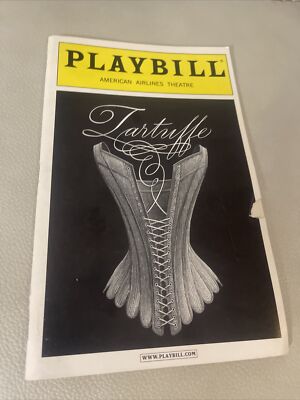
Elmire attempts to expose Tartuffe's hypocrisy by baiting him into making a romantic advance while her husband, Orgon, hides nearby. Tartuffe reveals his true nature by justifying his lust through twisted religious logic.
TARTUFFE: Madam, I may be devout, but I am also a man. When I see such beauty before me, how can I resist?
ELMIRE: But surely Heaven forbids such feelings?
TARTUFFE: Madam, Heaven is not so strict as you imagine. There are ways of coming to terms with Heaven. If the intention is pure, there is no si
Create a free account to explore more
Upgrade to Pro for full access — £6.99/month
Director's Notes
Want expert coaching on this scene?
Browse our curated list of acting coaches, dialect specialists, and more.
Need representation?
Browse verified agents and casting directors in our directory.
How well does this scene match you?
Save your casting profile to see match scores on every scene.
Try Headshot AnalyserGo Pro
£6.99/mo
- ✓ Unlimited scene reading
- ✓ PDF downloads
- ✓ Director's Notes
- ✓ Headshot Analyser
- ✓ Cover Letter Generator
- ✓ Practice Mode
- ✓ Agent Connect
- + 1,000+ scenes
More from Tartuffe
Act III, Scene 3 — Tartuffe's Seduction of Elmire
from Tartuffe
The hypocritical religious fraud Tartuffe attempts to seduce Elmire, the wife of his benefactor. He uses twisted theological logic to justify his lustful advances, claiming that his attraction to her beauty is actually a form of worship toward the Creator.
Valère and Mariane's Lovers' Quarrel
from Tartuffe
Valère and Mariane engage in a stubborn and prideful argument after hearing that Mariane's father intends for her to marry the hypocrite Tartuffe. Their maid, Dorine, must intervene to stop their mutual posturing and force them to reconcile so they can plot to stop the wedding. The scene highlights the comedic absurdity of young love and the necessity of practical action over emotional drama.
Cléante's Defense of True Piety
from Tartuffe
Cléante attempts to reason with his brother-in-law Orgon regarding the obvious hypocrisy of the religious charlatan Tartuffe. While Orgon remains stubbornly blinded by his devotion, Cléante delivers a passionate defense of true piety versus the performative sanctimony of frauds.
Tartuffe's Seduction Attempt
from Tartuffe
Elmire attempts to confront the hypocritical holy man Tartuffe about her husband's plan to marry him to her step-daughter. However, Tartuffe uses the private meeting to drop his pious facade and aggressively pursue Elmire, attempting to seduce her with a sophisticated argument that his lust is merely an appreciation of God's handiwork.
Similar Scenes
Antigone's Defiance
from Antigone
Antigone is brought before King Creon after defying his edict by burying her brother. She boldly defends her actions, citing divine law over mortal decrees, while Creon condemns her to death for her subversion of the state.
Act II — Masha and Vershinin's Confession
from Three Sisters
Masha and Vershinin, both trapped in unhappy marriages, share a moment of vulnerability and mutual longing. They discuss the weight of their current lives and the hope for a more beautiful future.
Electra's Confrontation with Clytemnestra
from Electra
Electra engages in a fierce verbal battle with her mother, Clytemnestra, regarding the murder of her father, Agamemnon. The scene explores themes of justice, familial betrayal, and the cycle of vengeance.
Act II, Scene 1 — Sebastian's Revelation
from Twelfth Night
Antonio tries to convince Sebastian to let him accompany him, but Sebastian insists on traveling alone, fearing his bad luck will affect Antonio. Sebastian then reveals his true identity and the tragic loss of his twin sister, Viola, to Antonio.
