
Film
monologue
Drama
Sci-Fi

Circe's Truth

from The Odyssey

Written by Christopher Nolan

The Odyssey

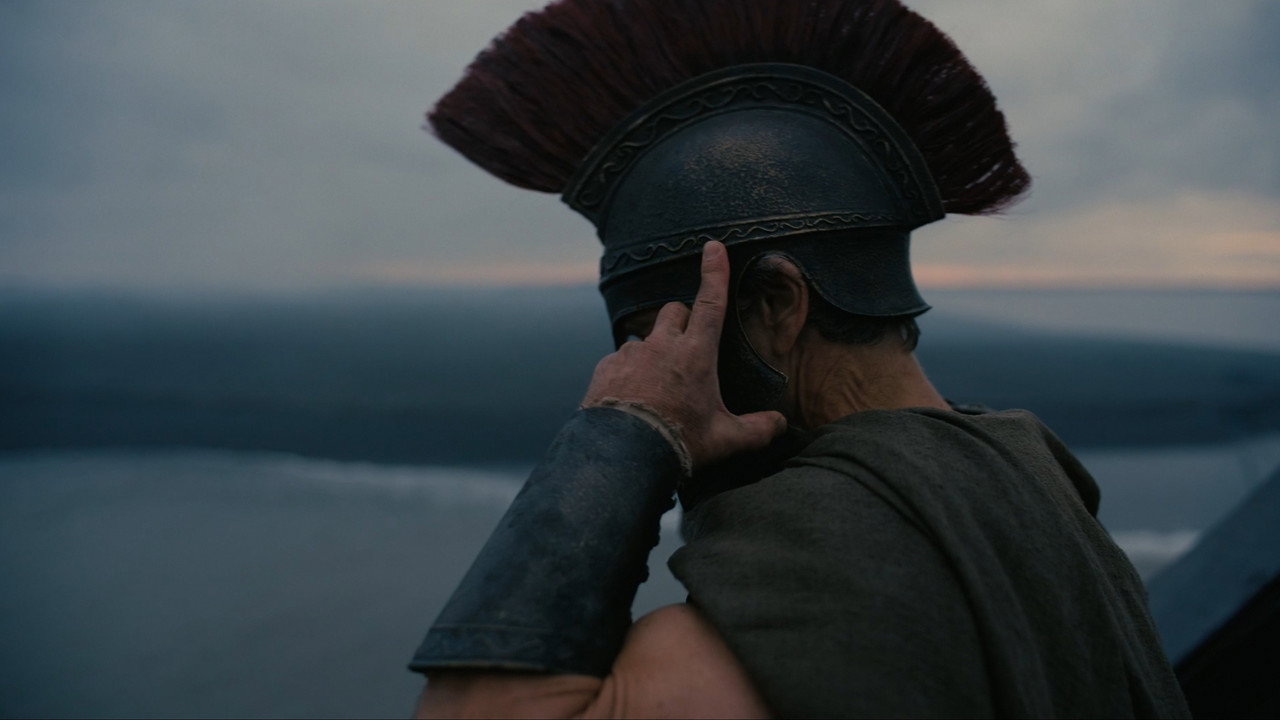
Circe confronts a commander about the inherent savagery of his men, arguing that their transformation reflects their true, violent nature.

Start a free 7-day trial — 5 downloads a day, unlimited when Pro begins

Rehearse on your terms

Take this monologue into rehearsal and work through it at your own pace.

Scene PreviewExcerpt — subscribe to read full scene

CIRCE

I didn’t turn your men into anything! This is who they are. Look at them --

CIRCE

Base. Disgusting, primal urges you value in battle... they’ve raped and pillaged across the world for you –- you think that’s against their nature? You think they only did those things because you ordered them to?

End of preview. Continue with Pro below.

7 days freeYour next rehearsal starts here

Found your next scene? Make it yours.

Start your free trial and read Circe's Truth in full, with access to 4,000+ monologues and scenes to explore next.

  • Read the full scene and explore the library
  • Download your script in a clean, printable format
  • Take it into rehearsal with the Script Reader
Casting Types
Get Feedback
Coming Soon

Want expert coaching on this scene?

Browse our curated list of acting coaches, dialect specialists, and more.

Find a Coach

Need representation?

Browse verified agents and casting directors in our directory.

Scene Notes & Audition Tips

5 sections
About This Scene

This powerful dramatic monologue, "Circe's Truth," originates from Christopher Nolan's film adaptation of *The Odyssey*. The scene features Circe, an enigmatic and authoritative figure, as she delivers a scathing confrontation to a commander. Her speech delves into the inherent nature of humanity, specifically focusing on the perceived savagery of men and the commander's complicity in it. It's a short, intense piece designed to showcase a character's profound disillusionment and unshakeable conviction.

Character Analysis

Circe is presented here as a formidable force, embodying both raw power and a deep, perhaps cynical, understanding of human nature. She is not merely a sorceress but a truth-teller, challenging the commander's perception of his men and, by extension, himself. Her tone is intense and unwavering, suggesting a character who has witnessed much and is unafraid to speak an uncomfortable truth. Actors should explore her layered emotions – perhaps a hint of exasperation, profound disappointment, or even a cold satisfaction in exposing hypocrisy.

Why This Works for Auditions

"Circe's Truth" is an excellent choice for auditions due to its concise duration and compelling dramatic arc. The monologue allows an actor to quickly establish a commanding presence while navigating a range of intense emotions, from accusation to almost philosophical resignation. It requires a strong verbal delivery and the ability to convey intellectual and emotional weight, making it ideal for demonstrating gravitas and nuanced character work within a short timeframe. The confrontation aspect also provides clear stakes and an immediate objective for the performer.

Best Suited For

This monologue is particularly well-suited for actors aiming to portray characters with authority, intensity, and a sophisticated understanding of the world. It's excellent for those looking to be cast as a Leading Lady or an Authority Figure who also possesses a layer of vulnerability or weary wisdom beneath their strength. The piece also allows for a strong exploration of a character grappling with profound truths, making it a powerful choice for drama school auditions, agent showcases, or self-tape submissions where an actor wants to display emotional depth and intellectual command.

Performance Tips

When approaching "Circe's Truth," focus on the underlying conviction and the intellectual superiority Circe feels in this moment. Ground her intensity not in anger, but in a deep-seated belief about the nature of man. Pay close attention to the rhythm of her speech, allowing the weight of her observations to dictate the pacing. Consider the subtext of her observations – is she simply stating facts, or is there a layer of weary disappointment, or even a challenge to the commander to acknowledge his own flaws? Allow her powerful words to land with precision, demonstrating a character who is both formidable and profoundly insightful.

Explore this topic