
Film
duologue
Drama
Romance

Death is the Future

from A Single Man

Written by TOM FORD, DAVID SCEARCE

A Single Man

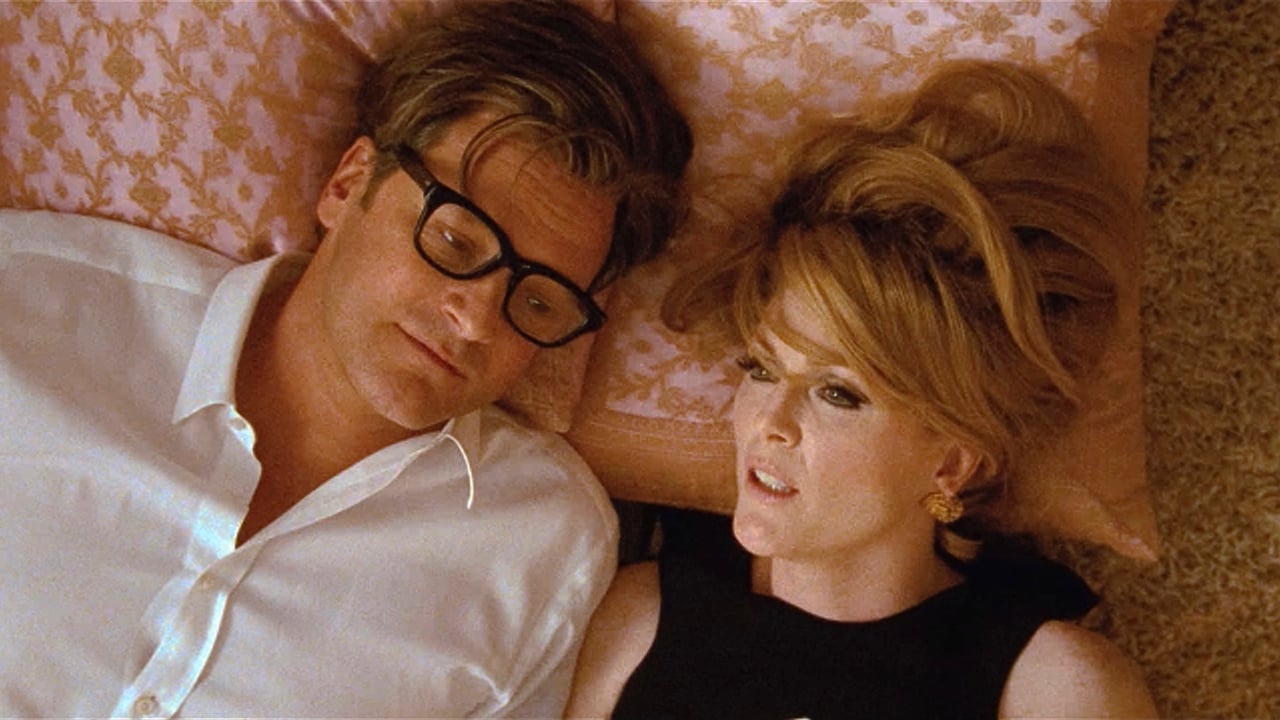
A professor and his student discuss the isolation of the human experience and the rare beauty of finding a genuine connection with another person.

Start a free 7-day trial — 5 downloads a day, unlimited when Pro begins

Rehearse this scene
Rehearse on your terms

Choose your role and voices for the other characters. Run the scene at your own pace.

Scene PreviewExcerpt — subscribe to read full scene

GEORGE

So if the past doesn’t matter and the present is a “total drag”. What about the future?

KENNY

What future? I mean Cuba might just blow us up.

GEORGE

Death is the future.

KENNY

I’m sorry. I don’t mean to be depressing.

GEORGE

It’s not depressing, it’s true. I mean, it’s not necessarily your immediate future, but it’s what we all share. Death is…

End of preview. Continue with Pro below.

7 days freeYour next rehearsal starts here

Found your next scene? Make it yours.

Start your free trial and read Death is the Future in full, with access to 3,000+ monologues and scenes to explore next.

  • Read the full scene and explore the library
  • Download your script in a clean, printable format
  • Take it into rehearsal with the Script Reader
Casting Types
Get Feedback
Coming Soon

Want expert coaching on this scene?

Browse our curated list of acting coaches, dialect specialists, and more.

Find a Coach

Need representation?

Browse verified agents and casting directors in our directory.

Scene Notes & Audition Tips

5 sections
About This Scene

This profound duologue, "Death is the Future" from the film *A Single Man*, offers a deep exploration of human connection, loneliness, and existential philosophy. Set in a contemporary period, it features a vulnerable exchange between a professor, George, and his student, Kenny, touching on themes of life's purpose and the rare beauty of genuine understanding. The conversation evolves from cynical musings on the future to a shared moment of profound introspection about individual isolation and the solace found in connecting with another.

Character Analysis

George, aged 50s, embodies the role of a leading man and mentor, grappling with personal sorrow and a world-weary perspective. His vulnerability is clear as he articulates a bleak outlook on the future, yet he softens when confronted with Kenny's similar sense of isolation, ultimately revealing his longing for true connection. Kenny, in his 20s, represents the student archetype, intelligent and intense, yet deeply susceptible to loneliness. He initially mirrors George's philosophical pessimism but then opens up about his own struggles, showing a capacity for insight and a nascent romantic sensibility.

Why This Works for Auditions

This scene is exceptional for auditions due to its rich emotional depth and intelligent dialogue, providing ample opportunity for actors to showcase nuance and vulnerability. The naturalistic yet philosophical tone allows for grounded performances, while the dynamic between mentor and student offers a clear arc for both characters within a short timeframe. It's a fantastic vehicle for demonstrating an actor's ability to handle complex emotional states and sophisticated language, moving from intellectual discussion to heartfelt confession.

Best Suited For

"Death is the Future" is particularly well-suited for male actors in the specified age ranges looking for a powerful dramatic piece. It's an excellent choice for drama school auditions, self-tapes, and agent showcases where demonstrating emotional range and intellectual depth is paramount. Actors aiming for leading man roles, or those capable of portraying intense yet vulnerable characters, will find this scene a compelling showcase for their talents. The philosophical underpinning also makes it great for general practice, allowing actors to delve into complex thematic material.

Performance Tips

When approaching this scene, actors should focus on the underlying emotional current beneath the intellectual dialogue, emphasizing the vulnerability and longing for connection present in both characters. For George, explore his profound weariness and the sudden glimmers of hope or empathy that Kenny's honesty ignites. For Kenny, convey his youthful intensity and intellectual curiosity, but also lean into the deep-seated loneliness that he rarely expresses, allowing it to surface authentically. Pay close attention to the subtle shifts in power dynamics and the growing sense of shared understanding as the conversation unfolds.

Explore this topic