
Film
monologue
Drama
Romance

Waking Up Hurts

from A Single Man

Written by Tom Ford, David Scearce

A Single Man

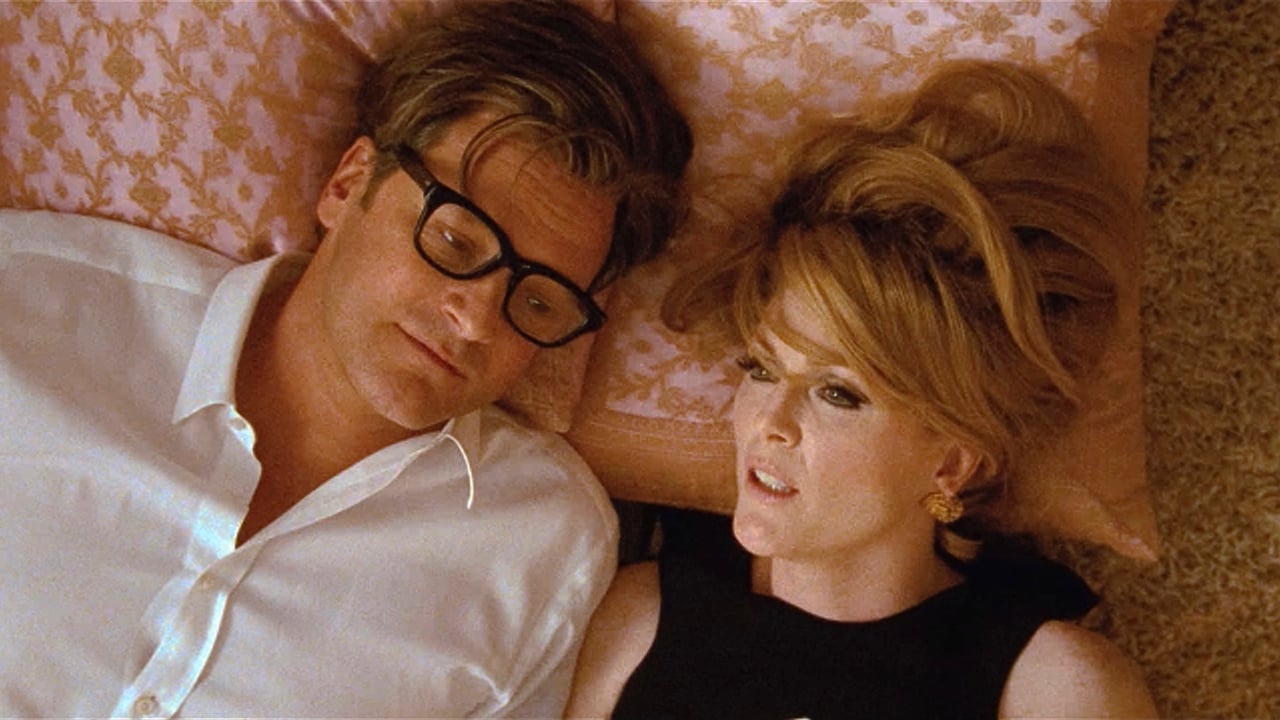
George reflects on the agonizing routine of waking up and masking his grief following the death of his partner, Jim.

Start a free 7-day trial — 5 downloads a day, unlimited when Pro begins

Rehearse on your terms

Take this monologue into rehearsal and work through it at your own pace.

Scene PreviewExcerpt — subscribe to read full scene

GEORGE V.O.

For the past eight months waking up has actually hurt. The cold realization that I am still here slowly sets in.

GEORGE V.O.

I was never terribly fond of waking up.

GEORGE V.O.

I was never one to jump out of bed and greet the day with a smile like Jim was.

GEORGE V.O.

I used to want to punch him sometimes in the morning he was so happy.

End of preview. Continue with Pro below.

7 days freeYour next rehearsal starts here

Found your next scene? Make it yours.

Start your free trial and read Waking Up Hurts in full, with access to 3,000+ monologues and scenes to explore next.

  • Read the full scene and explore the library
  • Download your script in a clean, printable format
  • Take it into rehearsal with the Script Reader
Casting Types
Get Feedback
Coming Soon

Want expert coaching on this scene?

Browse our curated list of acting coaches, dialect specialists, and more.

Find a Coach

Need representation?

Browse verified agents and casting directors in our directory.

Scene Notes & Audition Tips

5 sections
About This Scene

This powerful monologue captures George, a man in his 50s, as he grapples with the agonizing routine of waking up after the profound loss of his partner, Jim. Through his internal monologue, the scene offers a raw and vulnerable glimpse into his daily struggle to confront a world now devoid of his beloved. It masterfully explores themes of grief, loss, and the arduous process of rebuilding an identity amidst overwhelming sorrow.

Character Analysis

George is presented as a man deeply entrenched in a sophisticated and ordered existence, even as his internal world is in disarray. His vulnerability is palpable as he navigates the physical and emotional pain of each new day, highlighting a profound sense of isolation. While seemingly a "Leading Man" type, his character also embodies the "Everyman" through his relatable experience of grief, making his struggle universally resonant. He carries the weight of his past joy with Jim against the stark reality of his present solitude, showcasing a complex blend of bitterness, longing, and a disciplined attempt to maintain composure.

Why This Works for Auditions

This monologue is exceptional for auditions due to its deep emotional core and the opportunity it provides to showcase nuanced acting. It allows an actor to convey profound internal conflict and a journey of character development within a short timeframe, from the initial shock of awakening to the methodical preparation for the day ahead. The internal monologue format grants complete freedom to explore subtle vocal shifts and physical manifestations of grief, making it ideal for demonstrating dynamic range and emotional depth. Its contemporary setting and universal themes ensure its relevance across various casting contexts.

Best Suited For

This scene is particularly well-suited for male actors aged 45-55 who can embody a "Vulnerable," "Sophisticated," or "Intense" casting type. It's an excellent choice for drama school auditions, agent showcases, or self-tape submissions where demonstrating significant emotional weight and internal processing is key. Actors comfortable with portraying deep sorrow, a sense of quiet desperation, and a meticulously composed facade will find this piece to be a strong fit. It also serves as valuable material for general practice, allowing an actor to hone their monologue delivery and emotional accessibility.

Performance Tips

When approaching this monologue, focus on the stillness and internal life of George, allowing his words to reveal the immense pain beneath a controlled exterior. Pay close attention to the rhythm of his thoughts, distinguishing between the present physical actions and the memories or reflections that haunt him. Consider how the physical routine of morning, from struggling out of bed to meticulous dressing, becomes a coping mechanism or a desperate attempt to regain control. Emphasize the contrast between his outward actions and the vivid internal landscape of his grief, using subtle vocal dynamics and expressive silence to convey his deep emotional state.

Explore this topic