Film
duologue
Drama

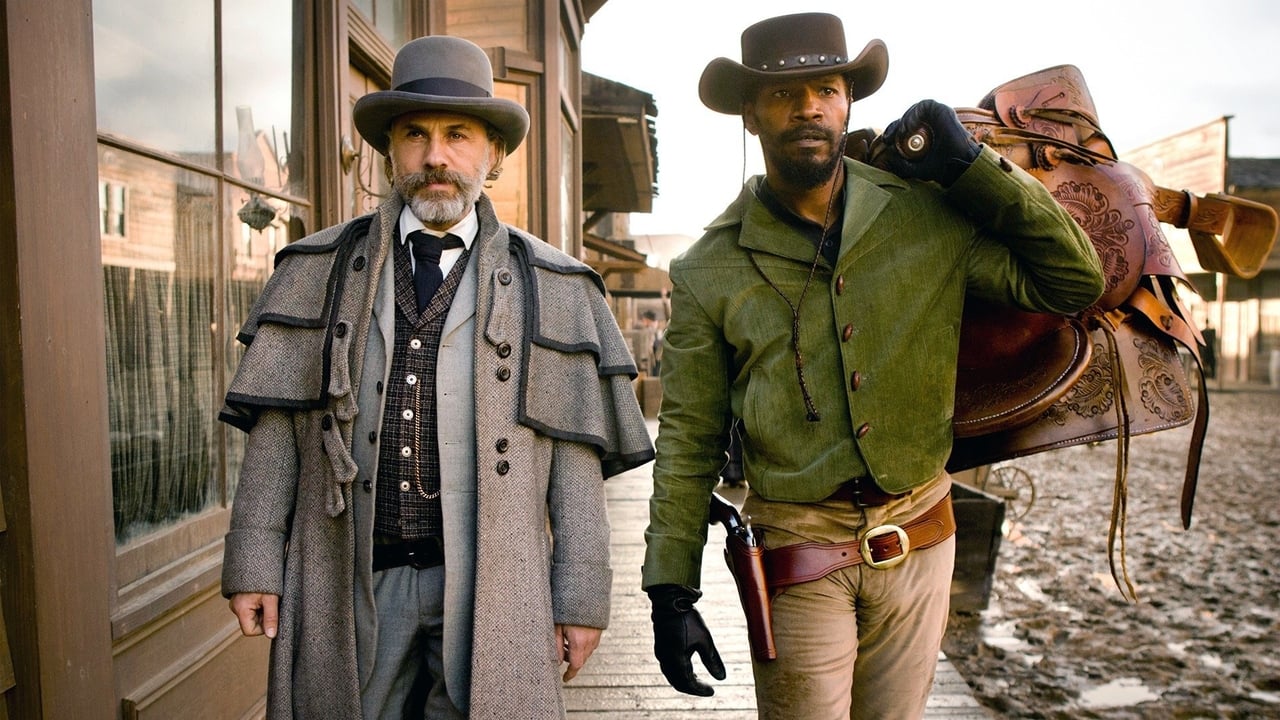
Django Unchained — Saloon Entrance

from Django Unchained

Written by Quentin Tarantino

Django Unchained

Dr. Schultz, a German bounty hunter, questions Django, a freed slave, about the social restrictions placed upon him in the American South. Schultz, oblivious to the dangers, insists on entering a saloon with Django, pushing the boundaries of racial segregation.

Start a free 7-day trial — 5 downloads a day, unlimited when Pro begins

Rehearse this scene
Rehearse on your terms

Choose your role and voices for the other characters. Run the scene at your own pace.

Scene PreviewExcerpt — subscribe to read full scene

Dr.SCHULTZ: What's everybody staring at?

DJANGO

They never seen a nigger on a horse before. Dr.SCHULTZ: What's this bizarre obsession they have with. you not riding horses?

DJANGO

You askin' me?
End of preview. Continue with Pro below.

7 days freeYour next rehearsal starts here

Found your next scene? Make it yours.

Start your free trial and read Django Unchained — Saloon Entrance in full, with access to 1,000+ monologues and scenes to explore next.

  • Read the full scene and explore the library
  • Download your script in a clean, printable format
  • Take it into rehearsal with the Script Reader
Casting Types
Get Feedback
Coming Soon

Want expert coaching on this scene?

Browse our curated list of acting coaches, dialect specialists, and more.

Find a Coach

Need representation?

Browse verified agents and casting directors in our directory.

Scene Notes & Audition Tips

5 sections
About This Scene

This intense duologue from *Django Unchained* presents a powerful dynamic between two men from vastly different worlds. Dr. Schultz, a German bounty hunter, engages Django, a newly freed slave, in a conversation that exposes the brutal realities of racial prejudice in the American South. The scene builds palpable tension as Schultz, with an almost naive curiosity, pushes against the deeply entrenched social restrictions Django faces, culminating in a defiant act of cultural defiance.

Character Analysis

Dr. Schultz is a sophisticated and confident individual, accustomed to operating outside conventional norms, yet he displays a profound ignorance regarding the severity of racial segregation. He embodies a "Mentor" type, guiding Django but also challenging the world around him with intellect and a surprising lack of fear. Django, on the other hand, is a "Tough" and resilient character, an "Outsider" who understands the grave consequences of defying societal expectations. He is cautious and world-weary, yet there's a burgeoning sense of defiance and a quiet strength beneath his pragmatic fear.

Why This Works for Auditions

This scene is an excellent choice for auditions due to its immediate conflict and clear character objectives. It offers actors the chance to showcase nuanced emotional shifts, from Schultz's initial intellectual probing to Django's growing apprehension and ultimate quiet resolve. The dialogue is sharp and rhythmic, allowing for impactful delivery and strong character differentiation, making it ideal for a self-tape or a general practice session to hone your dramatic skills.

Best Suited For

This scene is best suited for male-identifying actors in the 35-45 age range who can embody the "Leading Man" and "Outsider" archetypes. Actors comfortable navigating intense racial tension and cultural clashes will find this material particularly rewarding. It provides a strong platform for demonstrating both intellectual curiosity and grounded realism, making it perfect for those aiming for dramatic roles with significant psychological depth.

Performance Tips

For Dr. Schultz, focus on the contrast between his intellectual curiosity and his obliviousness to the danger, allowing his confidence to bordering on recklessness. For Django, play the internal conflict between his fear and his growing sense of agency, letting his responses hint at a deep, lived experience of oppression. Both characters should ground their performances in the heightened stakes of the situation, allowing the inherent drama of the cultural clash to drive their choices and reactions, building the tension with each line.

Explore this topic