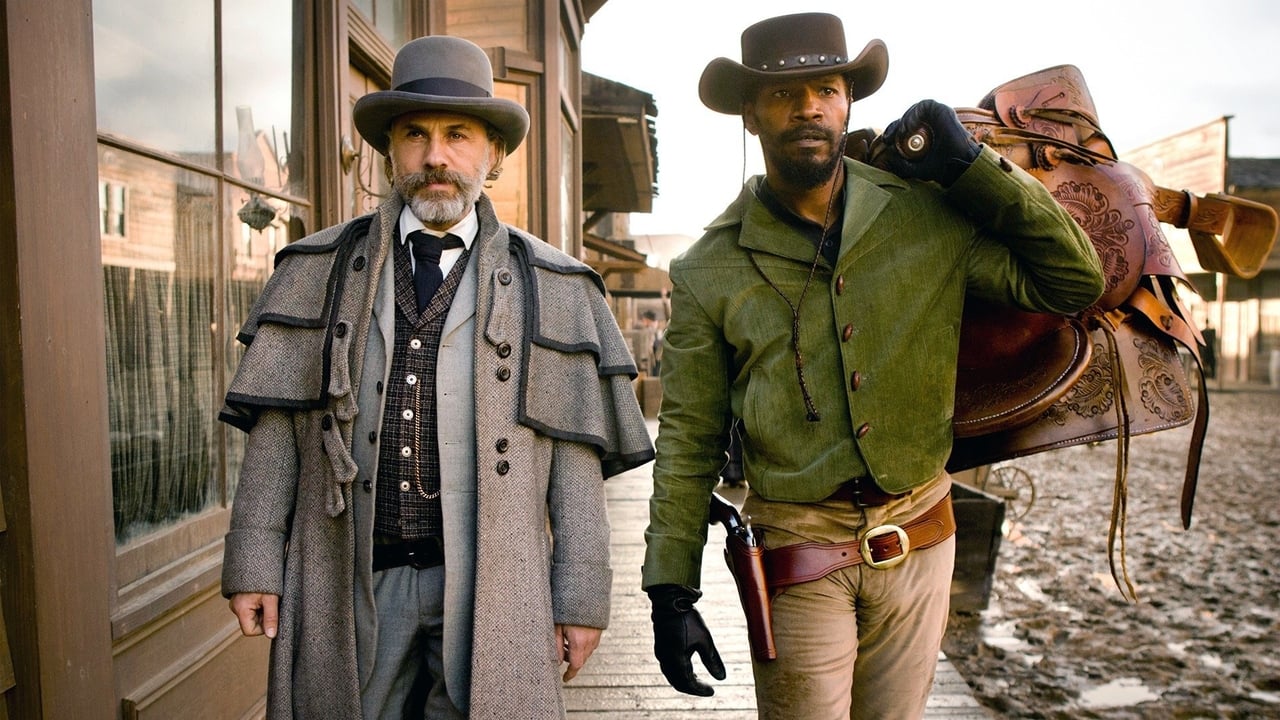
Dr. Schultz forces Django to confront the reality of bounty hunting by having him read a wanted poster before executing a target in front of his son. Schultz explains the cold economics of their profession, emphasizing that the moral weight of the kill is justified by the target's criminal past.
DR. SCHULTZ: Read it aloud. Consider it today's lesson.
DJANGO: Wanted, dead or alive. Smitty Bacall and The Smitty Bacall Gang. For murder and stagecoach robbery. Seven thousand dollars for Smitty Bacall.
DR. SCHULTZ: Well done. Bravo. THAT is who Smitty Bacall is. If Smitty Bacall wanted to start a farm at twenty-two, they would never of printed that. But…
D…
About This Scene
This intense duologue from Quentin Tarantino's "Django Unchained" places Django in a pivotal moment of his transformation into a bounty hunter, guided by the seasoned Dr. Schultz. The scene forces Django to confront the harsh realities and moral ambiguities of their profession through a direct and unsettling demonstration. It masterfully explores themes of violence, retribution, and the cold economics of human life, as Schultz explains the justification behind their work when faced with a criminal target.
Character Analysis
Django, in this scene, is still finding his footing as a bounty hunter, grappling with the moral implications of taking a life for profit. He is a character of burgeoning strength and resolve, but also of a developing conscience, creating internal conflict as he witnesses Schultz's method. Dr. Schultz, on the other hand, is the cynical, pragmatic mentor, detached and analytical about the business of killing. He carries the weight of authority and a distinct worldview which he meticulously imparts to Django, showcasing a blend of intellect and ruthlessness.
Why This Works for Auditions
This scene is a fantastic choice for auditions due to its raw intensity and the clear, contrasting objectives of the two characters. It offers significant dramatic weight, allowing actors to showcase a range of emotions from nascent shock and questioning as Django, to stern pedagogical conviction as Dr. Schultz. The dialogue is sharp, character-driven, and intrinsically theatrical, providing ample opportunity for nuanced performance and impactful pauses. Both roles are complex and offer deep character exploration within a short timeframe.
Best Suited For
This scene is best suited for male actors in the 25-35 age range looking to portray characters with gravitas and internal conflict. It’s particularly effective for actors comfortable with intense dramatic material and the exploration of moral dilemmas. Casting types such as the "Mentor," "Anti-Hero," "Authority Figure," or "Outsider" would find these roles particularly resonant. It's an excellent piece for agent showcases, self-tapes, or general practice, providing a substantial acting challenge.
Performance Tips
For Django, focus on the weight of Schultz's words and the impact of the unfolding events on his internal state; show his journey from uncertainty to a dawning understanding. For Dr. Schultz, embody his measured control and his capacity for cold logic, ensuring his delivery is precise and intellectual, rather than overtly emotional. Pay close attention to the rhythm and punctuation of Tarantino's writing to unlock the scene's inherent tension and dynamic shifts. Remember to fully commit to the given circumstances and the high stakes involved for both characters.