
Film
duologue
Thriller

Fallen - The Demon's Game

from Fallen

Written by Nicholas Kazan

Fallen

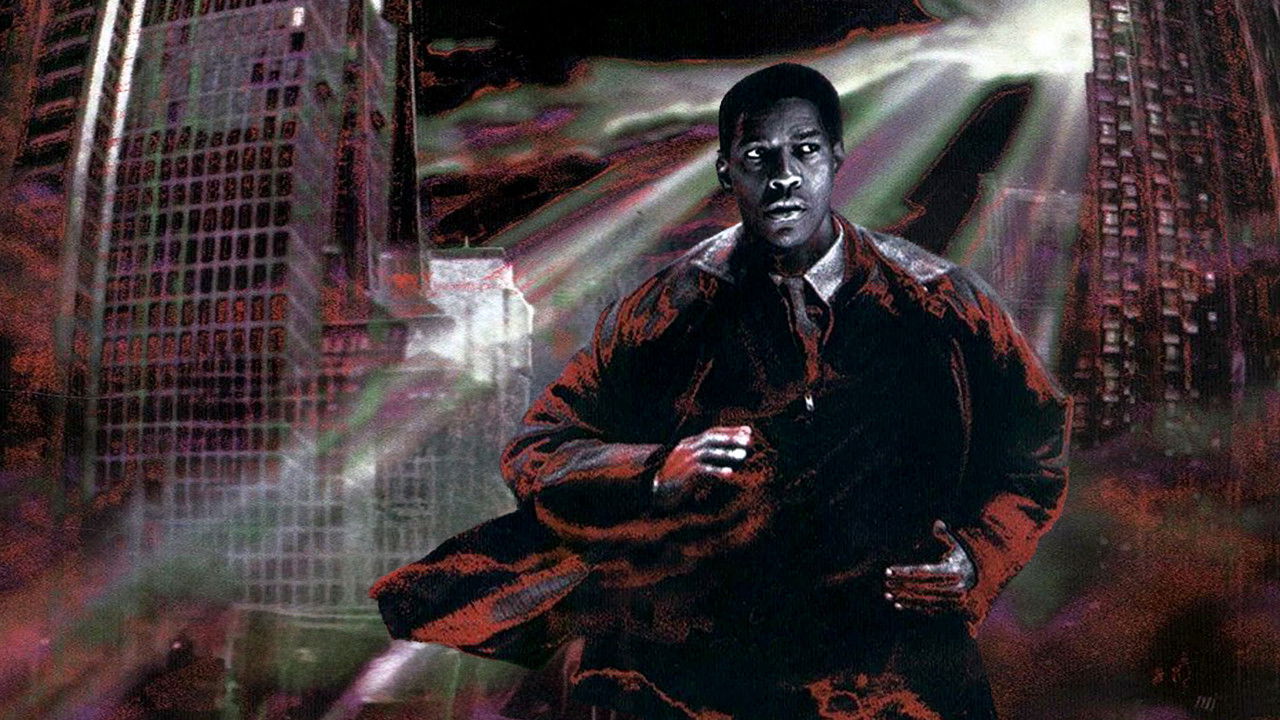
Detective Hobbes confronts the body-hopping demon Azazel in a tense psychological standoff. Hobbes attempts to assert his moral authority and determination to stop the killings, while Azazel taunts him by attacking his sanity and highlighting the futility of fighting an incorporeal enemy.

Start a free 7-day trial — 5 downloads a day, unlimited when Pro begins

Rehearse this scene
Rehearse on your terms

Choose your role and voices for the other characters. Run the scene at your own pace.

Scene PreviewExcerpt — subscribe to read full scene

HOBBES

You’re a demon. A parasite. And I’m going to send you back to hell.

AZAZEL

Hell? Oh, Hobbes, you have such a limited imagination. This is hell. And I’m just making myself at home.

HOBBES

You’ve killed innocent people! You’ve ruined lives!

AZAZEL

And you’ve put away criminals. You’ve brought justice. We’re not so different, you and I.

End of preview. Continue with Pro below.

7 days freeYour next rehearsal starts here

Found your next scene? Make it yours.

Start your free trial and read Fallen - The Demon's Game in full, with access to 1,000+ monologues and scenes to explore next.

  • Read the full scene and explore the library
  • Download your script in a clean, printable format
  • Take it into rehearsal with the Script Reader
Casting Types
Get Feedback
Coming Soon

Want expert coaching on this scene?

Browse our curated list of acting coaches, dialect specialists, and more.

Find a Coach

Need representation?

Browse verified agents and casting directors in our directory.

Scene Notes & Audition Tips

5 sections
About This Scene

This intense duologue, "Fallen - The Demon's Game," plunges into a high-stakes psychological confrontation between Detective Hobbes and the malevolent demon Azazel. The scene captures a pivotal moment where Hobbes, driven by his commitment to justice, directly challenges Azazel, an entity that exists beyond conventional physical limitations. It's a gripping exploration of good versus evil, sanity versus manipulation, and the profound frustration of fighting an enemy that preys on the mind as much as the body.

Character Analysis

Hobbes embodies the archetypal determined detective, initially presenting as an authority figure steadfast in his moral compass and unwavering commitment to protect. However, Azazel systematically targets Hobbes's resolve, eroding his certainty and sanity through insidious taunts, revealing Hobbes's vulnerability and mounting desperation. Azazel, on the other hand, is the quintessential villain, a cunning and incorporeal entity that thrives on sowing chaos and doubt, characterized by a predatory intellect and a chilling ability to exploit human psychological weaknesses.

Why This Works for Auditions

This scene is a fantastic choice for auditions because it offers rich opportunities for dynamic character shifts and emotional range within a compact timeframe. The clear opposition and escalating tension between Hobbes and Azazel allow actors to showcase their ability to portray both strength and vulnerability, as well as their command of intense, psychological material. The duologue format provides excellent practice for active listening and reaction, crucial skills for on-screen performance.

Best Suited For

This scene is ideally suited for actors in the 35-45 age range, particularly those looking to be cast as detectives, villains, or characters capable of portraying intense, authoritative, or deeply disturbed individuals. Its thriller genre and contemporary setting make it versatile for various casting opportunities, from network television dramas to feature film projects. It is especially effective for agent showcases and self-tapes where a powerful, character-driven piece is needed.

Performance Tips

When performing this scene, actors should focus on the psychological warfare at play, ensuring each line lands with intentionality, whether it's an assertion of power or a moment of crumbling doubt. For Hobbes, track the character's descent from confident authority to psychological distress, allowing the frustration and fear to build authentically. For Azazel, lean into the character's chilling manipulation and detached amusement, using vocal quality and subtle shifts in demeanor to convey the demon's incorporeal and taunting nature.

Explore this topic