
Film
monologue
Drama
Thriller

Head of the Household

from Sling Blade

Written by Billy Bob Thorton

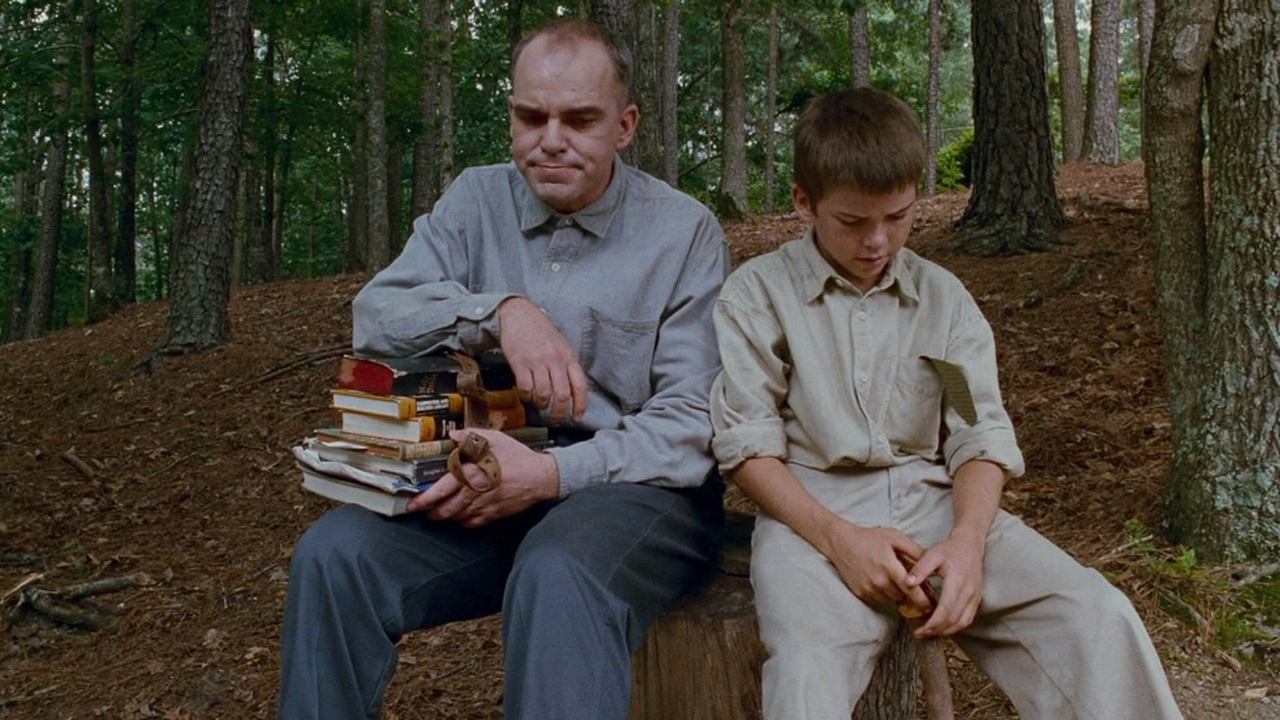
Sling Blade

Doyle aggressively asserts his dominance over Frank, establishing strict new rules for the household and demanding that Karl be sent away.

Start a free 7-day trial — 5 downloads a day, unlimited when Pro begins

Rehearse on your terms

Take this monologue into rehearsal and work through it at your own pace.

Scene PreviewExcerpt — subscribe to read full scene

DOYLE

Now here's the deal. Now that I'm gonna throw my entire life away doin' what I want to come live here with y'all, we have to get a few things straight. See, Frank, me and your mama wouldn't have any problems if it wadn't for you. We'd never have a bad word between us. But since you do exist, if I'm gonna be here as the head of the household, we'll…

End of preview. Continue with Pro below.

7 days freeYour next rehearsal starts here

Found your next scene? Make it yours.

Start your free trial and read Head of the Household in full, with access to 3,000+ monologues and scenes to explore next.

  • Read the full scene and explore the library
  • Download your script in a clean, printable format
  • Take it into rehearsal with the Script Reader
Casting Types
Get Feedback
Coming Soon

Want expert coaching on this scene?

Browse our curated list of acting coaches, dialect specialists, and more.

Find a Coach

Need representation?

Browse verified agents and casting directors in our directory.

Scene Notes & Audition Tips

5 sections
About This Scene

This powerful monologue from Billy Bob Thorton's critically acclaimed film *Sling Blade* presents Doyle, a character aggressively laying down new rules for his household. Doyle, having moved in, confronts Frank directly, asserting his dominance and establishing himself as the unequivocal head of the family. The scene is charged with a palpable tension as Doyle outlines his expectations, demands unquestioning obedience, and insists on the removal of Karl from their lives. It's a raw and unfiltered display of control, intimidation, and the creation of a hostile environment within a domestic setting, showcasing a deeply flawed and imposing character.

Character Analysis

Doyle is a volatile and insecure man who compensates for his perceived weaknesses by exerting extreme control over those around him. He projects his frustrations onto Frank, blaming the child for the problems in his relationship with the mother. Doyle sees himself as the "head of the household" primarily through financial provision, which he uses as leverage for absolute authority. He is a classic antagonist, driven by a need for power and a narrow, self-serving definition of a "normal family." His aggressive posturing and clear disdain for anything that challenges his worldview paint him as a truly intimidating figure.

Why This Works for Auditions

This monologue is an excellent choice for auditions because it offers a clear and immediate display of intense emotion and character. Actors can showcase their ability to convey menace, control, and a complex inner life within a short timeframe. The direct address to an unseen character provides a strong sense of intention and relationship, allowing for dynamic choices in performance. Furthermore, the contemporary period and dramatic genre align with many casting calls, giving actors a versatile piece that demonstrates range in portraying a powerful, confrontational character.

Best Suited For

This intense monologue is ideally suited for male actors aged 35-45 looking to demonstrate their ability to portray complex, intimidating characters. It's perfect for those aiming for roles that require a working-class sensibility, a strong patriarchal presence, or an antagonistic streak. This piece would excel in a drama school audition, where a clear arc of control and threat can be powerfully demonstrated. It's also highly effective for self-tapes or general practice, offering a rigorous exercise in embodying a dominant and hostile persona.

Performance Tips

When approaching Doyle's monologue, focus on rooting his aggression in a deep-seated insecurity rather than mere anger. Understand that his need for control stems from a place of inadequacy. Pay close attention to varying your vocal dynamics; while the overall tone is intense, moments of forced calm or calculated threat can be even more impactful than sustained shouting. Work on creating a strong sense of an unseen scene partner, Frank, and how your words are landing on him. Let the subtext of "I'm the boss" permeate every line, but find moments where the facade of control might slightly slip, revealing the man underneath.

Explore this topic