
Film
monologue
Drama
Thriller

The Kaiser Blade Confession

from Sling Blade

Written by Billy Bob Thorton

Sling Blade

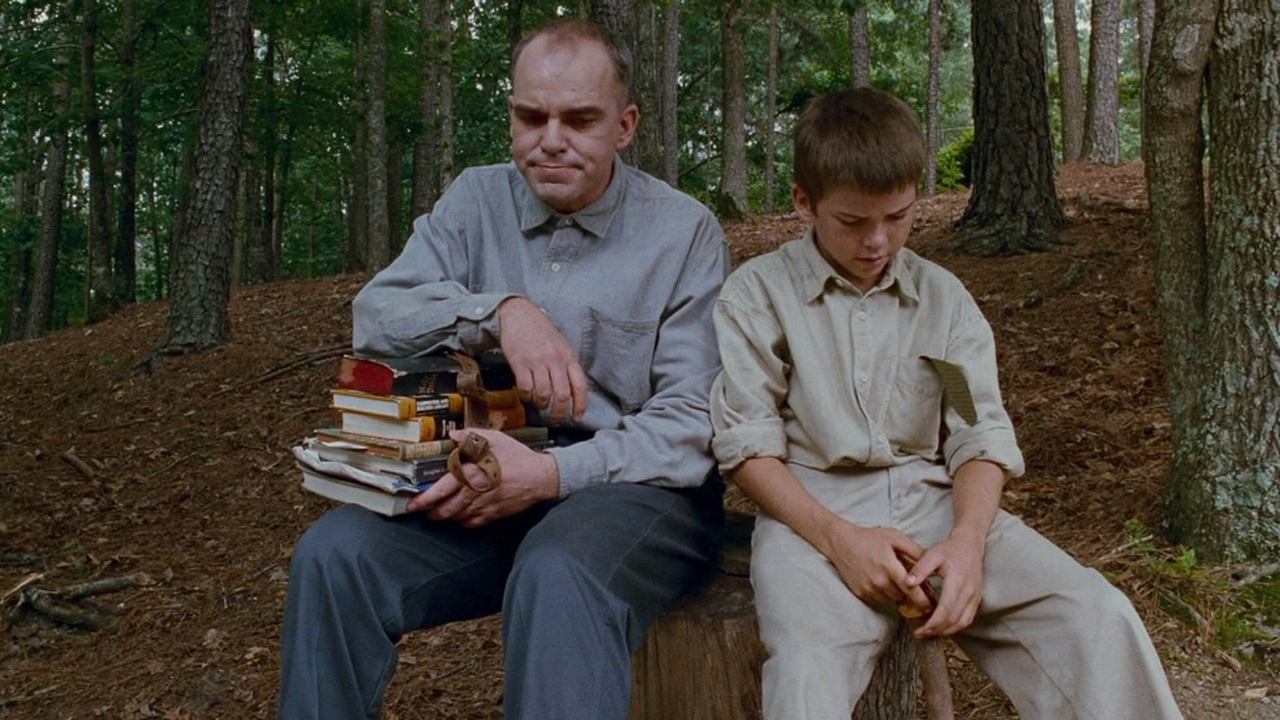
Karl calmly recounts the traumatic events of his childhood and the brutal double murder that led to his long-term institutionalization.

Start a free 7-day trial — 5 downloads a day, unlimited when Pro begins

Rehearse on your terms

Take this monologue into rehearsal and work through it at your own pace.

Scene PreviewExcerpt — subscribe to read full scene

KARL

Well, I reckon what you're a wanting to know is what I'm doing in here. I reckon the reason I'm in here is cause I killed somebody. But I reckon what you was a wanting to know is how come me to kill somebody. Well, I reckon I'll start at the front and tell you. I lived most of my life out behind my mother and father's house in a little old shed that…

End of preview. Continue with Pro below.

7 days freeYour next rehearsal starts here

Found your next scene? Make it yours.

Start your free trial and read The Kaiser Blade Confession in full, with access to 3,000+ monologues and scenes to explore next.

  • Read the full scene and explore the library
  • Download your script in a clean, printable format
  • Take it into rehearsal with the Script Reader
Casting Types
Get Feedback
Coming Soon

Want expert coaching on this scene?

Browse our curated list of acting coaches, dialect specialists, and more.

Find a Coach

Need representation?

Browse verified agents and casting directors in our directory.

Scene Notes & Audition Tips

5 sections
About This Scene

This powerful monologue, "The Kaiser Blade Confession," comes from the critically acclaimed film *Sling Blade*. Performed by the character Karl, it offers a raw and unflinching look into the mind of a man recounting his deeply traumatic past. The scene details the events leading to his institutionalization, starting with his isolated childhood and culminating in a confession of murder, all delivered with a distinct contemporary Southern cadence. Its intense tone and confessional nature make it a compelling piece for actors seeking to explore complex emotional landscapes.

Character Analysis

Karl is a man shaped by profound isolation, neglect, and violence from an early age. His speech pattern and reflective pauses reveal a deliberate, almost methodical way of processing and articulating his life story, despite the horrific content. He speaks with an unsettling calm, demonstrating a character who has likely spent years internalizing and rehearsing these memories, leading to a detached yet deeply felt delivery. This monologue offers insight into a character who is both a victim and a perpetrator, highlighting his struggle with understanding morality and his place in the world.

Why This Works for Auditions

This monologue is an excellent choice for auditions because it showcases an actor’s ability to embody a complex character with nuanced emotional depth and precise vocal control. The duration, around five minutes, allows for a substantial demonstration of range, while the intense tone demands significant presence and focus. Its confessional structure provides a clear arc from exposition to a pivotal revelation, giving the actor ample opportunity to build tension and reveal layers of character through subtle shifts in delivery. It effectively highlights an actor's capacity for vulnerability, grit, and powerful storytelling.

Best Suited For

"The Kaiser Blade Confession" is particularly well-suited for male actors in the 35-45 age range who are considered character actors or those capable of portraying an "outsider" archetype. It's ideal for performers aiming for roles that require a gritty, intense, or vulnerable quality. This piece is perfect for drama school auditions, agent showcases, or self-tape submissions where an actor needs to demonstrate a strong command of dramatic material and the ability to portray deeply troubled yet compelling individuals.

Performance Tips

When approaching this monologue, focus on Karl's internal rhythm and his unique speech patterns, allowing pauses to convey the weight of his memories rather than just marking a beat. Pay close attention to his detached delivery, which should not be mistaken for apathy, but rather a deeply ingrained coping mechanism for profound trauma. Explore the contrast between the calm exterior and the horrific nature of the events described, allowing glimpses of the underlying pain and resignation to surface. Authentically capture the contemporary Southern dialect without falling into caricature, using it as a tool to reveal character rather than merely an accent.

Explore this topic