Film
duologue
Drama

I Don't Look Where I Can't Go

from Sing Sing

Written by Greg Kwedar, Clint Bentley

Sing Sing

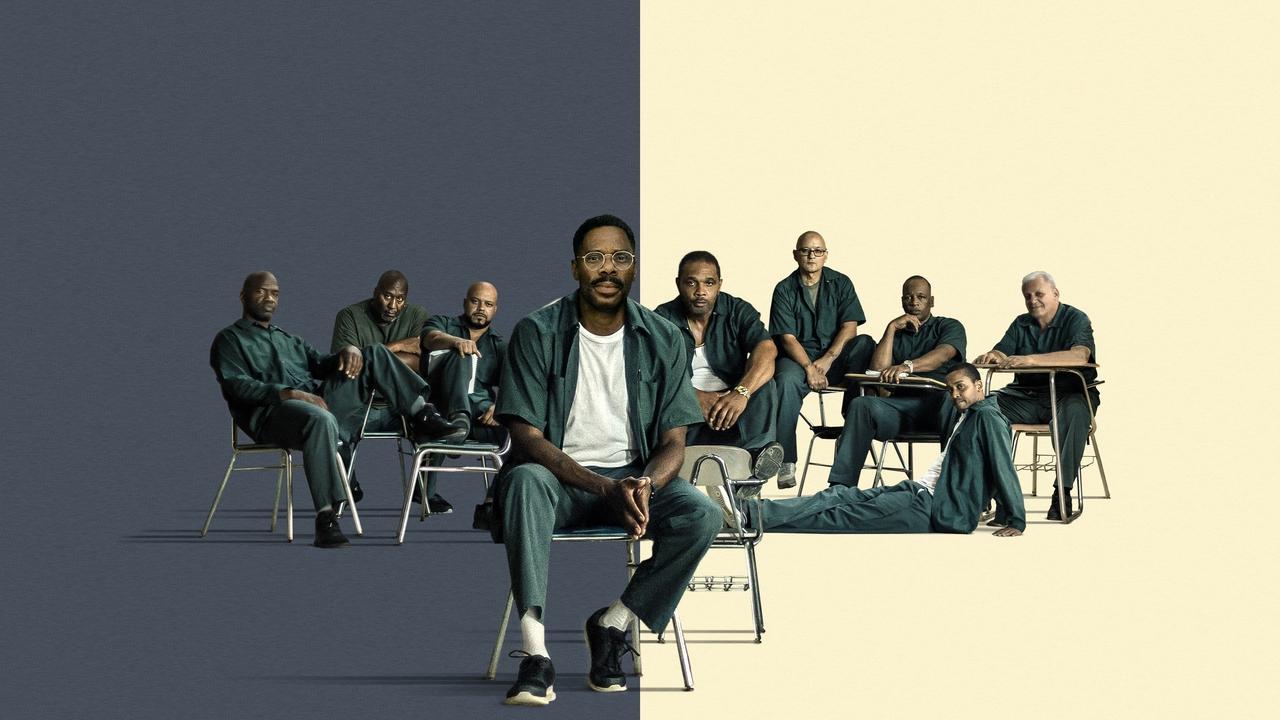
Divine G attempts to mentor a skeptical Divine Eye about the transformative power of their theater program, but faces resistance and resentment.

Start a free 7-day trial — 5 downloads a day, unlimited when Pro begins

Rehearse this scene
Rehearse on your terms

Choose your role and voices for the other characters. Run the scene at your own pace.

Scene PreviewExcerpt — subscribe to read full scene

DIVINE EYE

You know they call this room The Steeple. Lotta business gets done in here.

DIVINE G

Window's got a nice view too. You ever look out there?

DIVINE EYE

I don't look where I can't go. And I don't think you brought me up here to look at some mountains.

DIVINE G

Listen. You uh, you seem... frustrated with the work. I can see you struggling and…

End of preview. Continue with Pro below.

7 days freeYour next rehearsal starts here

Found your next scene? Make it yours.

Start your free trial and read I Don't Look Where I Can't Go in full, with access to 4,000+ monologues and scenes to explore next.

  • Read the full scene and explore the library
  • Download your script in a clean, printable format
  • Take it into rehearsal with the Script Reader
Casting Types
Get Feedback
Coming Soon

Want expert coaching on this scene?

Browse our curated list of acting coaches, dialect specialists, and more.

Find a Coach

Need representation?

Browse verified agents and casting directors in our directory.

Scene Notes & Audition Tips

5 sections
About This Scene

This intense duologue from the film *Sing Sing* presents a powerful confrontation between two men, Divine Eye and Divine G, within the stark confines of a prison setting. The scene unfolds as Divine G attempts to guide Divine Eye towards embracing a rehabilitative theater program, but is met with deep skepticism and simmering resentment. It quickly evolves into a subtle power struggle, exploring themes of mentorship, resistance, and the complex journey of personal transformation against a backdrop of confinement.

Character Analysis

Divine G embodies the role of a seasoned mentor, someone who has likely found solace or purpose through the program he champions, now seeking to impart that wisdom to others. He is earnest, patient, and believes deeply in the transformative power of the "work," yet he also carries the weight of past struggles, which he subtly alludes to. Divine Eye, on the other hand, is a character burdened by cynicism and a guarded exterior, deeply resistant to the prescribed path offered to him. His sharp, defensive retorts reveal a character who feels cornered, distrustful of authority, and perhaps fears vulnerability, preferring to maintain an image of strength even if it means rejecting potential help.

Why This Works for Auditions

This scene offers actors a fantastic opportunity to showcase a wide range of nuanced emotions within a concise timeframe, making it ideal for various audition formats. The escalating tension and subtextual battle for control allow for powerful demonstrations of listening, reaction, and dynamic character arcs, even if brief. The dialogue is grounded and realistic, providing a strong foundation for authentic performances that resonate with casting directors looking for depth and presence. Its contemporary period and clear dramatic stakes ensure it stands out as a compelling, character-driven piece.

Best Suited For

"I Don't Look Where I Can't Go" is exceptionally well-suited for male actors in the 35-45 age range who can embody the Gravitas of a Leading Man, the wisdom of a Mentor, or the rugged edge of a Gritty Outsider. It’s perfect for those looking to present material that demonstrates intense dramatic capability and a strong sense of character grounding. This duologue is particularly effective for agent showcases, self-tapes requiring a strong dramatic hook, and general practice to hone skills in conflict resolution and subtextual performance.

Performance Tips

When approaching this scene, actors should focus on the underlying power dynamics and the unspoken histories that inform each character's reactions. For Divine G, lean into the conviction of his belief while acknowledging the challenge of reaching someone deeply entrenched in cynicism; his kindness should feel hard-won, not naive. For Divine Eye, explore the sources of his frustration and resistance, allowing his skepticism to stem from a place of self-preservation rather than mere stubbornness, perhaps hinting at vulnerability beneath the defiance. Pay close attention to pacing and pauses, using them to build tension and allow the unspoken thoughts to register, making each line delivery deliberate and loaded with intention.

Explore this topic