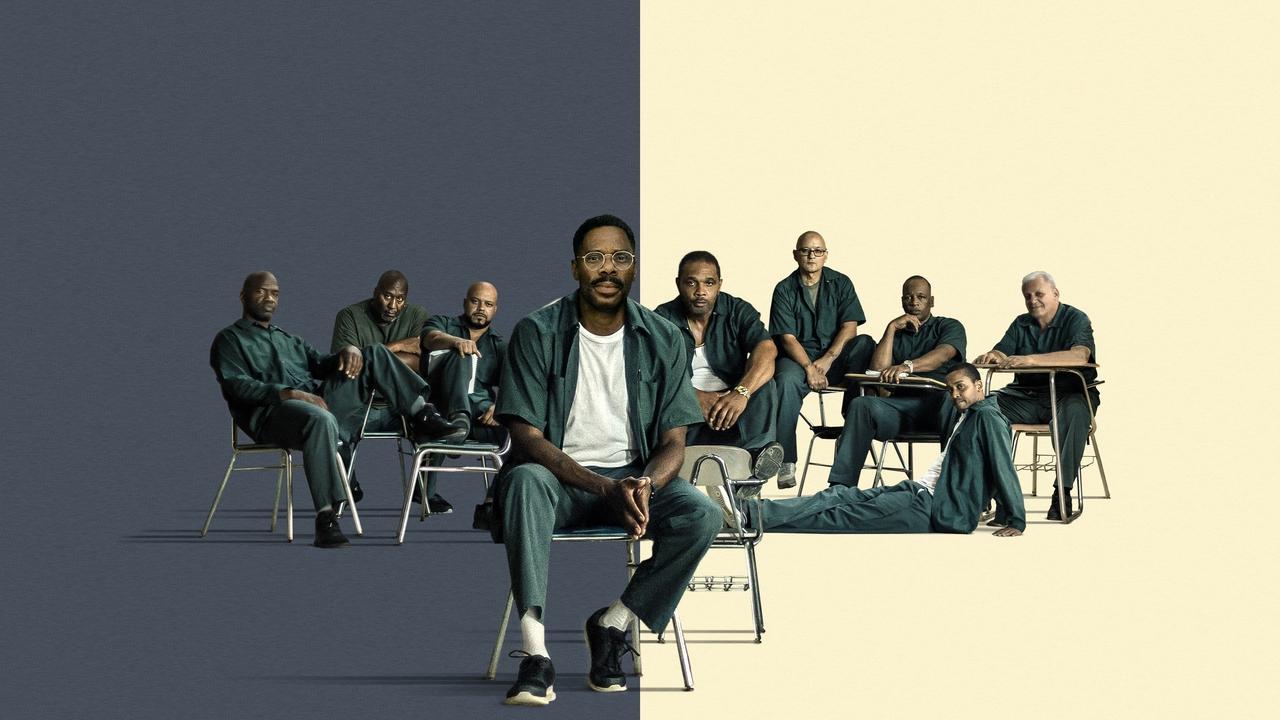
Divine G & Divine Eye: Fathers in Prison — Sing Sing

Inside a prison theater, Divine G and Divine Eye share a rare moment of vulnerability while watching a chaotic rehearsal. They discuss the redemptive power of the arts and the painful reality of their estranged relationships with their children on the outside.

DIVINE EYE: Why ain't you up there?

DIVINE G: We're not rehearsing any scenes I'm in today.

DIVINE EYE: So you just come through to keep a check on everybody?

DIVINE G: I just enjoy watching them is all. It's a good reminder to see it when it's so... rough. But I know, somehow someway, it'll all come together by opening night. Trust the process. That's what…

Format: Duologue · Genre: drama · Source: Sing Sing · Author: Greg Kwedar · Characters: Divine G, Divine Eye

About This Scene

This poignant duologue, taken from the film Sing Sing, offers a window into the nuanced realities of prison life and the unexpected avenues for redemption found within its walls. Set in a chaotic prison theatre rehearsal, the scene captures a rare moment of genuine vulnerability between Divine G and Divine Eye, two men bound by their circumstances yet differing in their approaches to hope. It explores themes of fatherhood, personal regret, and the surprising power of the arts to connect and heal, even amidst the most challenging environments.

Character Analysis

Divine G presents as a man who has found a unique form of purpose and reflection within the prison system, using his intellect and perhaps his past mistakes to offer a semblance of legal aid and mentorship, while also clearly finding solace in the theatrical process. His guarded nature, however, hints at deeper unresolved pain, particularly concerning his family. Divine Eye, on the other hand, appears more adrift, perhaps newly navigating the path towards self-reflection, seeking connection or understanding in unexpected places, and openly grappling with the emotional weight of his past.

Why This Works for Auditions

This scene is an excellent choice for auditions due to its capacity to showcase a broad range of emotional depth within a relatively short timeframe. The dialogue allows for subtle shifts from casual observation to profound personal revelation, offering actors the chance to demonstrate vulnerability, introspection, and compelling character development. The naturalistic setting and genuine human struggle presented make it highly relatable, while the specific context of prison life adds a unique layer of gravitas without requiring direct experience.

Best Suited For

This piece is particularly well-suited for male actors in their 30s to 50s. Actors who excel at portraying characters with internal struggles, those who can convey vulnerability and introspection beneath a measured exterior, will find this scene compelling. It's ideal for those aiming for roles that require a blend of "Leading Man" presence with "Character Actor" depth, fitting well for "Everyman" or "Outsider" types who possess an underlying "Intense" quality.

Performance Tips

When approaching this scene, focus on the subtext and unspoken emotions present in the dialogue. Divine G's guarded nature around his notes and his children's names suggests a deep, ongoing pain, so allow moments of silence and subtle physical reactions to convey this. For Divine Eye, consider his emotional arc from casual observer to someone seeking genuine connection and understanding. Pay close attention to the rhythm and pacing of the conversation, allowing the chaotic theatre environment to serve as a contrasting backdrop to the intimacy of their shared experience.