Film
monologue
Drama
Comedy-Drama

Jake LaMotta's Stand-up Routine

from Raging Bull

Written by Paul Schrader, Mardik Martin

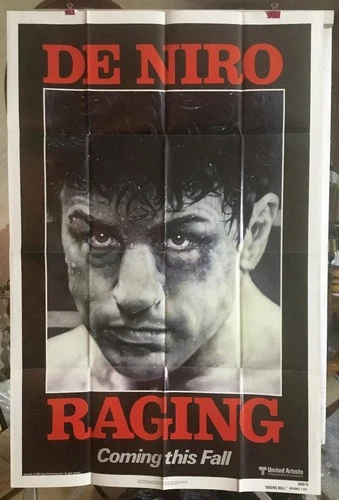
Raging Bull

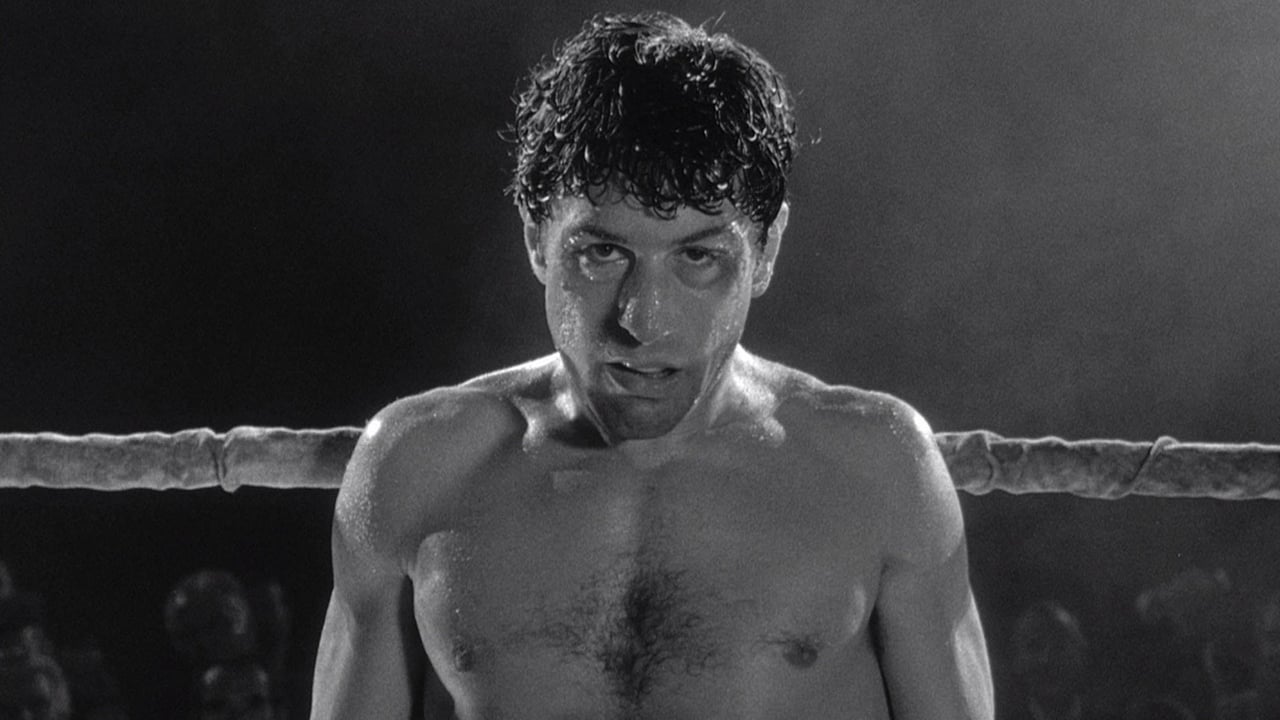
A washed-up former boxing champion performs a self-deprecating stand-up routine, masking his deep-seated jealousy and violent past with dark humor.

Start a free 7-day trial — 5 downloads a day, unlimited when Pro begins

Rehearse on your terms

Take this monologue into rehearsal and work through it at your own pace.

Scene PreviewExcerpt — subscribe to read full scene

JAKE

Good evening, ladies and gentlemen. It's a thrill to be standin' here talking to you wonderful people. In fact, it's a thrill to be standin'. I haven't seen so many people since my last fight at Madison Square Garden. After that fight a reporter asked me, "Jake, where do you go from here?" I said, "To a hospital."

End of preview. Continue with Pro below.

7 days freeYour next rehearsal starts here

Found your next scene? Make it yours.

Start your free trial and read Jake LaMotta's Stand-up Routine in full, with access to 3,000+ monologues and scenes to explore next.

  • Read the full scene and explore the library
  • Download your script in a clean, printable format
  • Take it into rehearsal with the Script Reader
Casting Types
Get Feedback
Coming Soon

Want expert coaching on this scene?

Browse our curated list of acting coaches, dialect specialists, and more.

Find a Coach

Need representation?

Browse verified agents and casting directors in our directory.

Scene Notes & Audition Tips

5 sections
About This Scene

This powerful dramatic monologue features Jake LaMotta, the real-life former boxing champion, as he performs a self-deprecating stand-up comedy routine. Set during a later, faded period of his life, this scene reveals a man grappling with his past glories and profound personal failures, using dark humor as a shield. The writing by Paul Schrader and Mardik Martin masterfully captures a tone of melancholic regret and veiled aggression, offering actors a rich landscape of internal conflict to explore.

Character Analysis

Jake LaMotta is a complex anti-hero, marked by a history of violence, jealousy, and self-destruction. In this monologue, he attempts to project an image of a jovial, washed-up entertainer, but beneath the surface, his raw anger, insecurity, and lingering bitterness are palpable. His self-deprecating jokes often mask deeper pains and anxieties, revealing a character who is intensely vulnerable yet fiercely proud, struggling to reconcile his brutal past with his present reality. Understanding his underlying motivations—the need for attention, the desire to control a narrative, and the profound regret—is key to portraying Jake authentically.

Why This Works for Auditions

This monologue is an excellent choice for auditions due to its immediate dramatic impact and the wide range of emotions it allows an actor to convey. It demands vulnerability, comedic timing, and the ability to pivot between seemingly lighthearted banter and moments of intense pathos. The scene provides ample opportunity to showcase an actor's command of subtext, as Jake's words often contradict his true feelings, making it a superb vehicle for demonstrating nuanced character work and a strong connection to the material.

Best Suited For

This scene is particularly well-suited for male actors in the 25-35 age range who excel at portraying gritty, intense characters with a working-class sensibility. It’s an ideal choice for drama school auditions, agent showcases, and self-tapes where you need to make a strong impression as a character actor. Those comfortable with a dark, dramatic tone and roles requiring a deep dive into an anti-hero's psyche will find this monologue a rewarding challenge to tackle.

Performance Tips

When approaching this monologue, focus on Jake's internal conflict and the tension between his public persona and private pain. While delivering the jokes, ensure there's an underlying current of sadness, anger, or resentment that occasionally breaks through the facade. Pay close attention to pacing, allowing moments of silence to hang heavy, and use physical specificity to convey his weariness or lingering aggression. Remember that Jake is performing, but his performance is deeply rooted in his emotional truth, so avoid playing only the comedy and instead embrace the complex, broken human beneath the routine.

Explore this topic