Film
duologue
Thriller
Drama

Jazz and Life

from Collateral

Written by Stuart Beattie

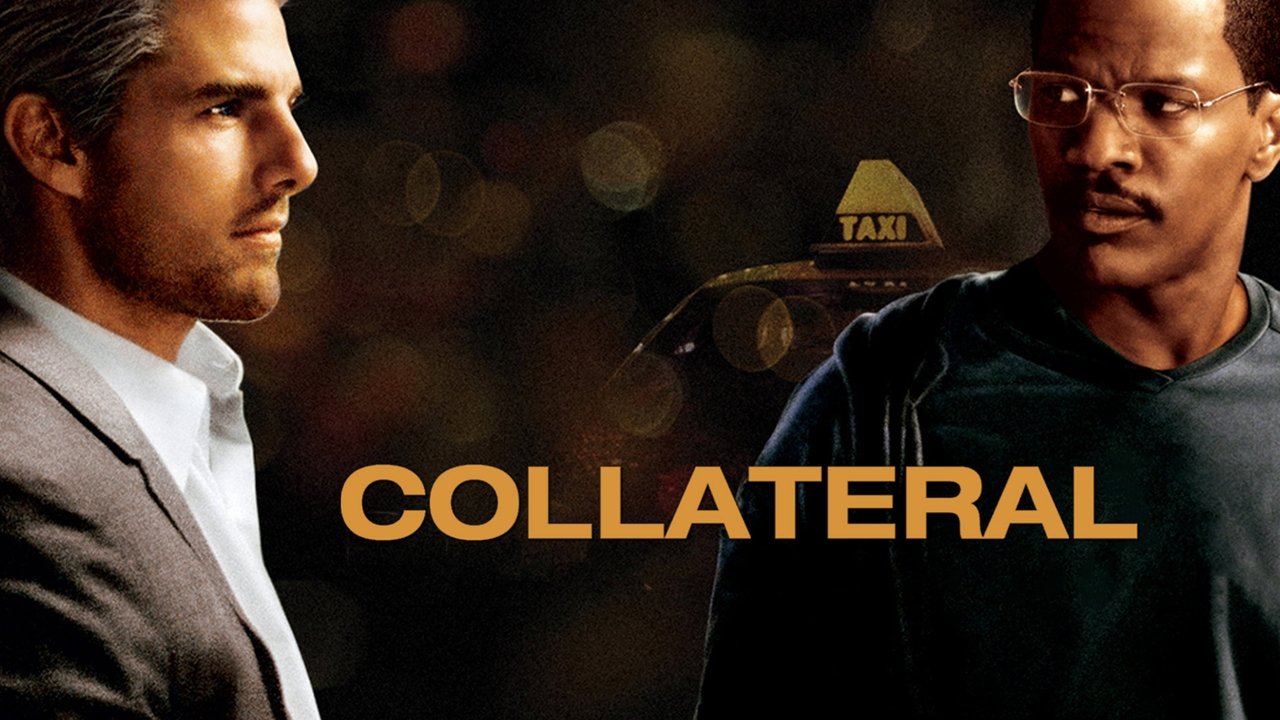
Collateral

A professional hitman uses a jazz performance to lecture a cautious taxi driver on the necessity of improvisation and the danger of playing it safe.

Start a free 7-day trial — 5 downloads a day, unlimited when Pro begins

Rehearse this scene
Rehearse on your terms

Choose your role and voices for the other characters. Run the scene at your own pace.

Scene PreviewExcerpt — subscribe to read full scene

VINCENT

You don't learn to listen...anymore than you learn to breathe. Open your ears.

MAX

I get a beat. I don't really hear a melody...

VINCENT

...he's off the melody, behind the notes. Outside what's expected. Improvising off impulse. Kind of like tonight.

MAX

Like tonight?

End of preview. Continue with Pro below.

7 days freeYour next rehearsal starts here

Found your next scene? Make it yours.

Start your free trial and read Jazz and Life in full, with access to 4,000+ monologues and scenes to explore next.

  • Read the full scene and explore the library
  • Download your script in a clean, printable format
  • Take it into rehearsal with the Script Reader
Casting Types
Get Feedback
Coming Soon

Want expert coaching on this scene?

Browse our curated list of acting coaches, dialect specialists, and more.

Find a Coach

Need representation?

Browse verified agents and casting directors in our directory.

Scene Notes & Audition Tips

5 sections
About This Scene

This intense duologue from the thriller *Collateral*, titled "Jazz and Life," features the characters Vincent and Max in a high-stakes, contemporary setting. Vincent, a professional hitman, uses a live jazz performance as a metaphor to challenge Max, a cautious taxi driver, about life's uncertainties and the necessity of embracing improvisation. The scene cleverly juxtaposes the spontaneous nature of jazz with the inherent danger of their current situation, creating a palpable tension between philosophical reflection and immediate threat. It explores themes of existentialism, risk, and the perception of time, making it a compelling piece for actors looking to explore complex emotional landscapes.

Character Analysis

Vincent is a chillingly philosophical antagonist, an Anti-Hero or Villain whose calm demeanor belies his deadly profession. He is articulate, perceptive, and uses intellectual arguments to exert control and subtly intimidate. His dialogue is often loaded with double meanings, reflecting his nihilistic worldview and comfort with chaos. Max, conversely, represents the Everyman – cautious, observant, and thrust into an unimaginable situation. He is attempting to process extraordinary events, and his lines reveal his apprehension and struggle to keep up with Vincent's unsettling logic. Actors should focus on Vincent's menacing charm and Max's escalating fear and forced composure.

Why This Works for Auditions

"Jazz and Life" is an excellent audition piece due to its high stakes and dynamic character contrast within a short timeframe. The scene offers clear emotional arcs for both Vincent and Max, allowing actors to showcase a broad range of subtlety and intensity. Its contemporary period and intense tone make it versatile for various dramatic castings, while the philosophical undertones provide rich material for nuanced performances. This duologue demonstrates an actor's ability to command a scene, convey complex ideas through subtext, and react genuinely to extreme pressure, making it highly effective for self-tapes and agent showcases.

Best Suited For

This scene is particularly well-suited for male actors in the 35-45 age range, with Vincent ideally portrayed by someone in their 40s and Max in their 30s. It's perfect for actors embodying Casting Types such as Anti-Hero, Villain, or Intense characters looking to display intellectual menace, or Everyman types capable of portraying fear and resilience under duress. The scene demands strong listening skills and an ability to convey internal thought processes, making it ideal for performers who can build tension through quiet intensity rather than overt dramatics.

Performance Tips

For Vincent, lean into the character's unsettling calm and articulate precision. His philosophical observations should feel genuinely considered, almost poetic, but always underpinned by a dangerous edge. Maintain consistent eye contact and a steady delivery to convey his control. For Max, focus on the struggle to remain composed despite internal panic. Your reactions should be nuanced, reflecting a mind rapidly trying to process and respond to an unfathomable situation. Pay close attention to Vincent's subtext; Max's fear should stem from understanding the unspoken threats beneath Vincent's words, not just the words themselves.

Explore this topic