Film
monologue
Thriller

Standard Parts Missing

from Collateral

Written by Stuart Beattie

Collateral

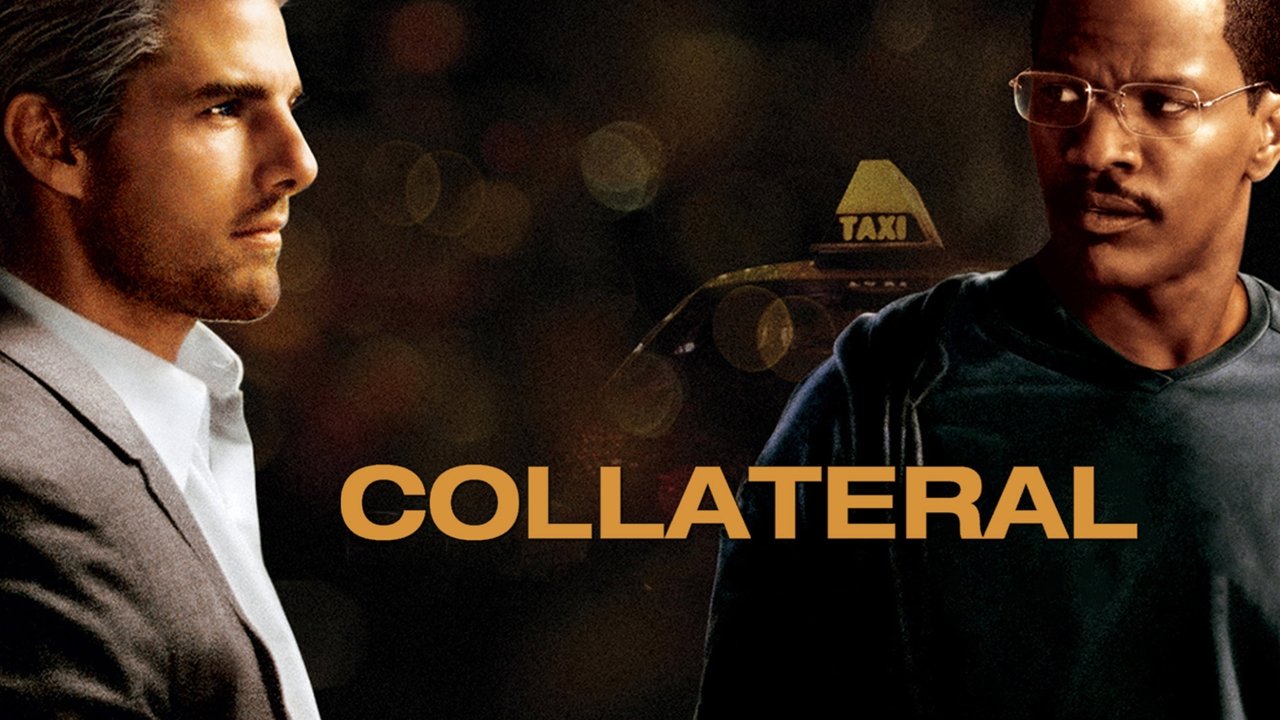
Max, a cab driver pushed to his breaking point, finally confronts his captor about his lack of humanity. He challenges the hitman's emotional emptiness, questioning if he has ever felt a connection to another person or a reason to wake up in the morning.

Start a free 7-day trial — 5 downloads a day, unlimited when Pro begins

Rehearse on your terms

Take this monologue into rehearsal and work through it at your own pace.

Scene PreviewExcerpt — subscribe to read full scene

MAX

Man, if someone had a gun to your head and said: "You gotta tell me what's goin' on with that person across the street, there, what they think, who they are, how they feel, or I will kill you"...they'd have to kill you...wouldn't they...? 'Cause you don't have a clue...about...anyone. ...I don't think you, you have a clue, period. Did anyone "do" for…

End of preview. Continue with Pro below.

7 days freeYour next rehearsal starts here

Found your next scene? Make it yours.

Start your free trial and read Standard Parts Missing in full, with access to 5,500+ monologues and scenes to explore next.

  • Read the full scene and explore the library
  • Download your script in a clean, printable format
  • Take it into rehearsal with the Script Reader
Casting Types
Get Feedback
Coming Soon

Want expert coaching on this scene?

Browse our curated list of acting coaches, dialect specialists, and more.

Find a Coach

Need representation?

Browse verified agents and casting directors in our directory.

Scene Notes & Audition Tips

5 sections
About This Scene

This gripping monologue from the film *Collateral* features Max, a cab driver pushed to his absolute limit, as he confronts his captor. The scene delves into a profound existential challenge, where Max questions the hitman's very humanity and emotional capacity. It's a powerful exploration of vulnerability and confrontation, forcing Max to articulate the deep-seated emptiness he perceives in the man who holds his life in his hands.

Character Analysis

Max is presented as an Everyman type, a working-class individual thrust into an unimaginable nightmare. Throughout this monologue, he transitions from terrified victim to a man bravely articulating a philosophical indictment. His vulnerability is palpable, but it's intertwined with a growing intensity born from desperation and a desperate need to understand the 'why' behind the hitman's coldness. Max’s words reveal a character who still clings to the value of human connection, contrasting sharply with the void he describes in his captor.

Why This Works for Auditions

This monologue is exceptionally effective for auditions due to its immediate high stakes and intense emotional arc. It allows an actor to showcase a wide range of emotions—from fear and desperation to defiance and profound philosophical questioning—within a short timeframe. The build-up from internal struggle to outward confrontation is a compelling journey, making it perfect for demonstrating depth and control. Moreover, its contemporary thriller genre ensures it feels relevant and impactful in today’s casting landscape.

Best Suited For

This scene is ideal for male-identifying actors aged 35-45 looking to portray complex, intense characters with an underlying vulnerability. It particularly suits those casting types described as Everyman, Working Class, or Vulnerable, but also allows for an exploration of an Anti-Hero energy in Max's defiance. This piece is perfect for drama school auditions, agent showcases, or self-tape submissions where an actor needs to make a strong, memorable impression quickly. Its contained nature also makes it excellent for general practice, allowing actors to refine their command of high-stakes material.

Performance Tips

When approaching this monologue, focus on Max's journey from internal reflection to outward accusation, allowing his fear to fuel his intensity rather than paralyze it. Pay close attention to the rhythm of his language and the moments where he struggles for words, as these reveal his genuine emotional processing under duress. Consider the profound philosophical questions Max is posing and how they resonate with his own desire for a meaningful existence, grounding his confrontation in personal stakes. Let the growing frustration and moral outrage build organically, culminating in a powerful, yet still vulnerable, climax.

No ratings yet
Sign in to rate