Skip to content
    Film
    duologue
    Thriller
    Drama

    Twelve Years is Not Temporary

    from Collateral

    BAFTA Winner

    Written by Stuart Beattie

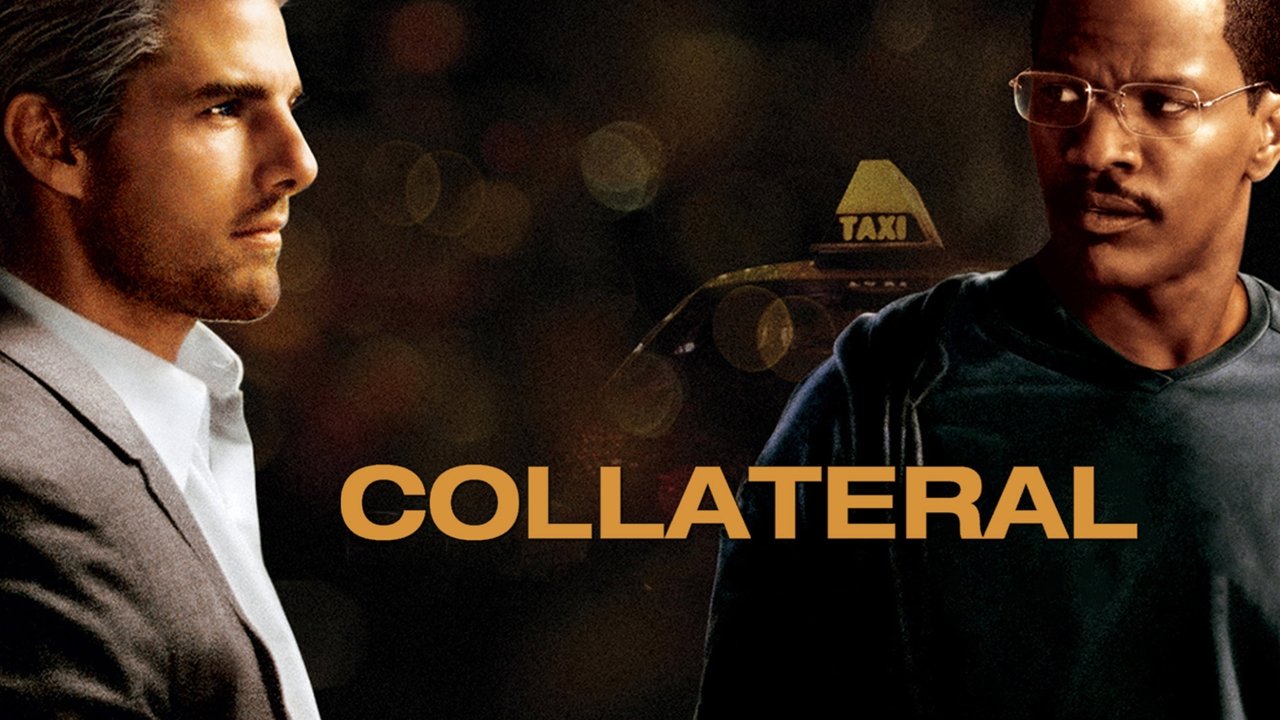
    Collateral

    2 min · 2 characters · Male · 35-45

    While driving through Los Angeles, a hitman deconstructs his hostage taxi driver's excuses for not starting his dream limousine business. The conversation takes a dark turn as they trade stories about their parents and the weight of wasted time.

    Start a free 7-day trial — 5 downloads a day, unlimited when Pro begins

    Rehearse this scene
    Rehearse on your terms

    Choose your role and voices for the other characters. Run the scene at your own pace.

    Scene PreviewExcerpt — subscribe to read full scene

    VINCENT

    Limos, huh?

    MAX

    Don't start.

    VINCENT

    Hey, I'm not the one lying to my mother.

    MAX

    She hears what she wants to hear. I don't disillusion her.

    VINCENT

    Yeah, right. Maybe she hears what you tell her.
    End of preview. Continue with Pro below.

    7 days freeYour next rehearsal starts here

    Found your next scene? Make it yours.

    Start your free trial and read Twelve Years is Not Temporary in full, with access to 7,000+ monologues and scenes to explore next.

    • Read the full scene and explore the library
    • Download your script in a clean, printable format
    • Take it into rehearsal with the Script Reader
    Casting Types
    Get Feedback
    Coming Soon

    Want expert coaching on this scene?

    Browse our curated list of acting coaches, dialect specialists, and more.

    Find a Coach

    Need representation?

    Browse verified agents and casting directors in our directory.

    Scene Notes & Audition Tips

    5 sections
    About This Scene

    This contemporary thriller duologue, written by Stuart Beattie for the BAFTA-winning film Collateral, features an intense psychological confrontation inside a Los Angeles cab. A hitman holds his taxi driver hostage, turning what seems like casual small talk into a sharp deconstruction of the driver's stalled ambitions. Over the course of two minutes, the dialogue shifts seamlessly from cold command into an intimate exploration of regret, parentage, and wasted time.

    Character Analysis

    Vincent operates as a cold anti-hero and calculated villain who dismantles his captive's defenses with surgical precision. He uses deadpan humor, sharp observation, and disturbing personal disclosures to control the space and manipulate his companion. Max embodies the working-class everyman trapped beneath decades of practical excuses and filial obligation. While Max fiercely defends his stalled dream of launching a luxury transportation company, his rationalizations reveal a deeply rooted fear of failure and the lingering shadow of parental disapproval.

    Why This Works for Auditions

    This two-minute scene delivers an exceptional masterclass in subtext, status shifts, and psychological tension within a tight physical space. Casting directors get to evaluate how effectively an actor can listen and react when outward physical movement is limited. Because the conflict hinges on vulnerability, denial, and power dynamics rather than overt theatricality, it translates brilliantly to on-camera self-tapes and industry agent showcases.

    Best Suited For

    This piece is ideal for male performers in the 35 to 45 age range searching for grounded, high-stakes dramatic material. Actors who fit working class, everyman, villain, or intense anti-hero casting profiles will discover rich opportunities for emotional nuance. It functions exceptionally well for actors building modern dramatic demo reels, testing scene-study chemistry in general practice, or taping for film and television thrillers.

    Performance Tips

    Resist the temptation to play the thriller genre with melodrama; instead, anchor the dialogue in absolute realism. The actor playing Max should let the sting of Vincent's observations land visibly, showing the painful friction between pride and self-doubt. The actor playing Vincent must maintain an unnerving stillness, using controlled pacing and quiet delivery rather than overt menace to unsettle his counterpart. Focus on micro-expressions and vocal control to capture the suffocating confinement of the ride.

    No ratings yet
    Sign in to rate