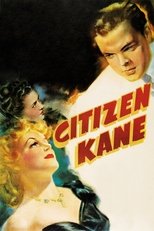
Film
monologue
Drama

Leland's Verdict on Charlie Kane

from Citizen Kane

Written by Herman J. Mankiewicz, Orson Welles

Citizen Kane

Jedediah Leland reflects on the complex and hollow nature of his former friend, Charles Foster Kane, to a reporter. He explores Kane's obsession with power and his ultimate lack of personal conviction or belief in anything beyond himself.

Start a free 7-day trial — 5 downloads a day, unlimited when Pro begins

Rehearse on your terms

Take this monologue into rehearsal and work through it at your own pace.

Scene PreviewExcerpt — subscribe to read full scene

LELAND

You want to know what I think of Charlie Kane? Well - I suppose he has some private sort of greatness. But he kept it to himself. He never - gave himself away - He never gave anything away. He just - left you a tip. He had a generous mind. I don't suppose anybody ever had so many opinions. That was because he had the power to express them, and…

End of preview. Continue with Pro below.

7 days freeYour next rehearsal starts here

Found your next scene? Make it yours.

Start your free trial and read Leland's Verdict on Charlie Kane in full, with access to 1,000+ monologues and scenes to explore next.

  • Read the full scene and explore the library
  • Download your script in a clean, printable format
  • Take it into rehearsal with the Script Reader
Casting Types
Get Feedback
Coming Soon

Want expert coaching on this scene?

Browse our curated list of acting coaches, dialect specialists, and more.

Find a Coach

Need representation?

Browse verified agents and casting directors in our directory.

Scene Notes & Audition Tips

5 sections
About This Scene

This powerful monologue features Jedediah Leland, a former confidante and best friend of Charles Foster Kane, offering a jaded yet profoundly insightful perspective on the titular character. Delivered to a reporter years after their friendship fractured, Leland dissects Kane's complex legacy, focusing on his insatiable hunger for power and his ultimate inability to genuinely connect or believe in anything beyond his own self-aggrandizement. The scene is a masterclass in layered storytelling, revealing as much about Leland's own disillusionment and cynicism as it does about Kane's hollow grandeur.

Character Analysis

Leland is presented here as a man carrying the weight of a complicated past friendship, now filtered through the lens of time and betrayal. He is intelligent, articulate, and possesses a sharp wit, using irony and nuanced observations to convey his assessment of Kane. Despite his cynical tone, there's an underlying vulnerability and perhaps even a lingering sadness for what their friendship could have been, hinting at the depth of his personal investment in Kane's rise and fall. He embodies the 'Everyman' who witnessed greatness but also the corruption that came with it, offering a relatable perspective on power's seductive and destructive nature.

Why This Works for Auditions

This monologue is an exceptional choice for auditions because it demands a sophisticated understanding of subtext and emotional complexity. Actors can showcase their ability to portray a character wrestling with conflicting emotions – resentment, pity, intelligence, and a touch of world-weariness. The narrative allows for a compelling vocal and physical performance, demonstrating a capacity for sustained emotional engagement and a command of dramatic material. It provides ample opportunity to convey deep-seated feelings and a rich character history without needing direct interaction.

Best Suited For

This scene is particularly well-suited for actors in the 55+ age range, especially those identifying as Character Actors or embodying an Elderly yet sharp persona. Its themes of legacy, power, and disillusionment resonate strongly with mature performers who can bring a wealth of life experience to the text. It's ideal for drama school auditions, self-tapes requiring a thoughtful and intense dramatic piece, or general practice for honing monologue skills. The material appeals to those who excel at portraying intellectual characters with a strong inner life and a clear point of view.

Performance Tips

When approaching this monologue, focus on Leland's internal conflict and the journey of his thoughts as he speaks. Lean into the "vulnerable" tone by allowing moments of quiet reflection and even a subtle hint of sorrow beneath his outward cynicism. Pay close attention to the shifts in his perspective, from Kane's "private sort of greatness" to his eventual declaration that Kane "didn't believe in anything except Charlie Kane." Use pauses effectively to convey the weight of his memories and the gravity of his observations, ensuring the audience feels the impact of his verdict on his former friend.

Explore this topic