Skip to content
    Film
    duologue
    Drama

    The Persian Poem

    from Citizen Kane

    Written by Herman J. Mankiewicz, Orson Welles

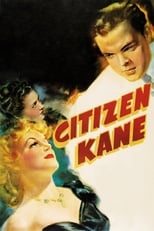
    Citizen Kane

    An aging and isolated Kane reflects on his mortality and the vanity of his wealth while reciting poetry to his stoic butler, Raymond.

    Start a free 7-day trial — 5 downloads a day, unlimited when Pro begins

    Rehearse this scene
    Rehearse on your terms

    Choose your role and voices for the other characters. Run the scene at your own pace.

    Scene PreviewExcerpt — subscribe to read full scene

    KANE

    Do you like poetry, Raymond?

    RAYMOND

    Can't say, sir.

    KANE

    Mrs. Kane liked poetry -

    RAYMOND

    Yes, Mr. Kane.

    KANE

    Not my wife - not either of them.
    End of preview. Continue with Pro below.

    7 days freeYour next rehearsal starts here

    Found your next scene? Make it yours.

    Start your free trial and read The Persian Poem in full, with access to 5,500+ monologues and scenes to explore next.

    • Read the full scene and explore the library
    • Download your script in a clean, printable format
    • Take it into rehearsal with the Script Reader
    Casting Types
    Get Feedback
    Coming Soon

    Want expert coaching on this scene?

    Browse our curated list of acting coaches, dialect specialists, and more.

    Find a Coach

    Need representation?

    Browse verified agents and casting directors in our directory.

    Scene Notes & Audition Tips

    5 sections
    About This Scene

    "The Persian Poem" from *Citizen Kane* presents a poignant glimpse into an aging and isolated man's mind. Kane, now in his seventies, reflects on his immense wealth and power's transient nature, reciting a profound poem about mortality to his butler, Raymond. The scene masterfully contrasts Kane’s introspective, almost prophetic delivery with Raymond's stoic, practical presence, highlighting their vast chasm of experience. It's a moment steeped in regret, confronting the ultimate limitations of human ambition.

    Character Analysis

    Kane in this scene is a Patriarch consumed by the past and the looming shadow of death, far removed from his ambitious youth. His weighty presence and every word convey the weariness of a life lived to its fullest, yet ultimately found wanting. Raymond, the quintessential Character Actor, embodies the steady, watchful attendant who has likely observed Kane's full decline. His role is to be the grounded, detached observer, providing a stark foil to Kane's philosophical monologue and subtly conveying resigned duty and concern.

    Why This Works for Auditions

    This scene is an excellent choice for auditions as it showcases an actor’s ability to handle complex emotional depth and powerful, sustained dramatic delivery. It offers substantial material for both actors; the performer playing Kane can exhibit gravitas, introspection, and a lifetime's regrets, while the actor portraying Raymond can demonstrate nuanced listening and understated reactions. The distinct power dynamic and contrasting character objectives provide clear dramatic arcs within a short timeframe, ideal for demonstrating range. Its modern-classic period also offers a timeless quality.

    Best Suited For

    This duologue is exceptionally well-suited for actors aged 55+ looking to portray characters of significant authority or intense, gritty personalities. It’s particularly effective for those embodying a Patriarch or a compelling Character Actor. The roles demand a profound understanding of human nature and the ability to convey a lifetime of experience without explicit exposition. This scene is perfect for drama-school auditions or agent showcases, allowing performers to demonstrate gravitas, emotional intelligence, and sustained focus, and it is an excellent choice for self-tapes due to its contained nature and powerful dramatic impact.

    Performance Tips

    When approaching this scene as Kane, focus on the weight of his words and the deep undercurrent of regret and mortality. Allow the poetry to be a vehicle for his internal monologue, exploring how each line resonates with his life experiences. For Raymond, your performance hinges on active listening and subtle non-verbal communication. While your lines are sparse, your crucial presence should convey understanding, stoicism, and perhaps weary concern through posture and gaze. The contrast between Kane's expansive sorrow and Raymond's quiet observation will elevate the entire scene.

    No ratings yet
    Sign in to rate