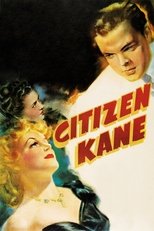
Film
monologue
Drama

Lord It Over the Monkeys

from Citizen Kane

Written by Herman J. Mankiewicz, Orson Welles

Citizen Kane

Leland confronts Kane about his ego, accusing him of treating the American public like property and only associating with those he can control.

Start a free 7-day trial — 5 downloads a day, unlimited when Pro begins

Rehearse on your terms

Take this monologue into rehearsal and work through it at your own pace.

Scene PreviewExcerpt — subscribe to read full scene

LELAND

I'm just drunk enough to tell you the truth. I have to be a little drunk for that because I'm a coward. You know that. That's why you keep me around. You only associate with your inferiors, Charlie. I guess that's why you ran away from Emily. Because you can't stand the company of your equals. You don't like to admit they exist - the other big…

End of preview. Continue with Pro below.

7 days freeYour next rehearsal starts here

Found your next scene? Make it yours.

Start your free trial and read Lord It Over the Monkeys in full, with access to 4,000+ monologues and scenes to explore next.

  • Read the full scene and explore the library
  • Download your script in a clean, printable format
  • Take it into rehearsal with the Script Reader
Casting Types
Get Feedback
Coming Soon

Want expert coaching on this scene?

Browse our curated list of acting coaches, dialect specialists, and more.

Find a Coach

Need representation?

Browse verified agents and casting directors in our directory.

Scene Notes & Audition Tips

5 sections
About This Scene

This powerful monologue features Leland, a key figure in Charles Foster Kane's orbit, delivering a brutally honest appraisal of his former friend. Set during a moment of profound personal and political tension, Leland, fueled by alcohol, unleashes observations about Kane’s character and approach to power. The scene captures a turning point, as Leland confronts Kane directly, accusing him of treating the public and those around him as possessions, revealing a deep disillusionment. It’s a compelling exploration of betrayal, ego, and the corrupting nature of unchecked power, delivered with a striking blend of vulnerability and conviction.

Character Analysis

Leland is presented as a complex intellectual, prone to self-deprecation, evidenced by his admission of being a "coward" who needs alcohol to speak his truth. His insights into Kane are sharp and incisive, demonstrating a keen understanding of human nature, particularly Kane’s need for control and inability to tolerate equals. Though he acknowledges his own weakness, his words carry immense weight, showing a character who values integrity and genuine connection. He represents a moral compass within Kane's tumultuous world, eventually driven to speak out against the man who keeps him close.

Why This Works for Auditions

"Lord It Over the Monkeys" is an outstanding choice for auditions due to its dramatic weight and intellectual depth. The monologue provides a fantastic arc, moving from drunken honesty to a quiet, almost clinical dissection of Kane’s flaws, allowing an actor to showcase a wide emotional range within a short timeframe. It’s a masterclass in subtext, with Leland's personal pain subtly underpinning his objective observations about power and politics. The piece demands strong verbal dexterity, the ability to portray internal conflict, and a nuanced understanding of character relationships, making it ideal for demonstrating sophisticated acting skills.

Best Suited For

This monologue is perfectly suited for male actors in the 25-35 age range looking for a challenging dramatic piece. It's particularly effective for those who excel at portraying intellectual, intense, or vulnerable characters. Its themes of confrontation and betrayal make it excellent for drama school auditions, agent showcases, or self-tapes where an actor needs to highlight their capacity for complex emotional expression and articulate delivery. Actors who can embody a sense of disillusionment combined with a sharp intellect will find this piece resonates strongly with their strengths.

Performance Tips

When approaching this monologue, focus on Leland’s underlying vulnerability and the necessity he feels to deliver this uncomfortable truth. The "drunken honesty" isn't about being sloppy; it's about finding courage through lowered inhibitions. Pay close attention to the shift in tone described in the stage direction – from initial indignation to the "very quietly... as though he were explaining the nature of a disease." This transition is key to showcasing control and intellectual precision. Emphasize the precision of his observations, ensuring each accusation lands with the weight of considered thought, rather than mere anger. The goal is to convey deep disappointment and profound insight into Kane's character.

Explore this topic