Film
duologue
Drama

Leland's View of Kane's Love

from Citizen Kane

Written by Herman J. Mankiewicz, Orson Welles

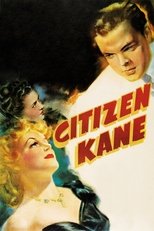
Citizen Kane

An elderly Jedediah Leland reflects on his complicated friendship with the late Charles Foster Kane while being interviewed by the reporter Thompson. Leland provides a cynical yet profound critique of Kane's character, power, and lack of personal conviction.

Start a free 7-day trial — 5 downloads a day, unlimited when Pro begins

Rehearse this scene
Rehearse on your terms

Choose your role and voices for the other characters. Run the scene at your own pace.

Scene PreviewExcerpt — subscribe to read full scene

LELAND

When you get to my age, young man, you don't miss anything. Unless maybe it's a good drink of bourbon. Even that doesn't make much difference, if you remember there hasn't been any good bourbon in this country for twenty years.

THOMPSON

Mr. Leland, you were -

LELAND

You don't happen to have a cigar, do you? I've got a young physician - must…

End of preview. Continue with Pro below.

7 days freeYour next rehearsal starts here

Found your next scene? Make it yours.

Start your free trial and read Leland's View of Kane's Love in full, with access to 1,000+ monologues and scenes to explore next.

  • Read the full scene and explore the library
  • Download your script in a clean, printable format
  • Take it into rehearsal with the Script Reader
Casting Types
Get Feedback
Coming Soon

Want expert coaching on this scene?

Browse our curated list of acting coaches, dialect specialists, and more.

Find a Coach

Need representation?

Browse verified agents and casting directors in our directory.

Scene Notes & Audition Tips

5 sections
About This Scene

This compelling duologue extract from *Citizen Kane* presents an elderly Jedediah Leland in conversation with reporter Thompson. Set on a hospital rooftop, the scene unfolds as Leland, now world-weary and reflective, recounts his complex and critical perspective on the late Charles Foster Kane. It’s a profound exploration of memory, legacy, and the nature of friendship, layered with a biting cynicism that defines Leland’s character.

Character Analysis

Leland is portrayed here as a sharp-witted, jaded, yet deeply observant man in his 70s or 80s. Despite his physical frailty, evidenced by his blanket and wheelchair, his mind remains incisive, capable of delivering profound philosophical insights and cutting critiques. He possesses a dry, dark sense of humor, often veiling his deeper sentiments with sarcasm, and his cynicism is born from a lifetime of witnessing power dynamics and personal failures, particularly those of his former friend, Kane.

Why This Works for Auditions

This scene is a superb choice for auditions due to its rich, nuanced dialogue and the opportunity it provides for a character actor to shine. The philosophical weight of Leland’s words, combined with his world-weary tone, allows actors to demonstrate a wide emotional range, from bitter resignation to poignant reflection. The duologue format also enables a strong dynamic with a scene partner, showcasing an actor's ability to listen and react thoughtfully within a dramatic context.

Best Suited For

This piece is ideally suited for male actors in the 70s-80s age range, particularly those who excel in character roles requiring an air of sophistication, intensity, and intellectual depth. It's an excellent choice for drama school auditions, agent showcases, or self-tapes where the goal is to present a mature actor capable of handling complex emotional and psychological landscapes. Actors looking to portray a journalist or an elderly, insightful character with a cynical edge will find this scene particularly effective.

Performance Tips

When tackling this scene, focus on grounding Leland’s cynicism in a deep-seated regret or disappointment regarding Kane, rather than simple bitterness. Explore the dry wit in his lines and allow the subtext of his complicated friendship to inform his delivery. Pay close attention to pacing, letting the philosophical weight of his observations land, and use subtle vocal shifts to convey the shifts between sarcasm, reflection, and quiet profundity.

Explore this topic