Film
duologue
Drama
Thriller

Letters of Transit

from Casablanca

Written by Julius Epstein Philip Epstein, Howard Koch

Casablanca

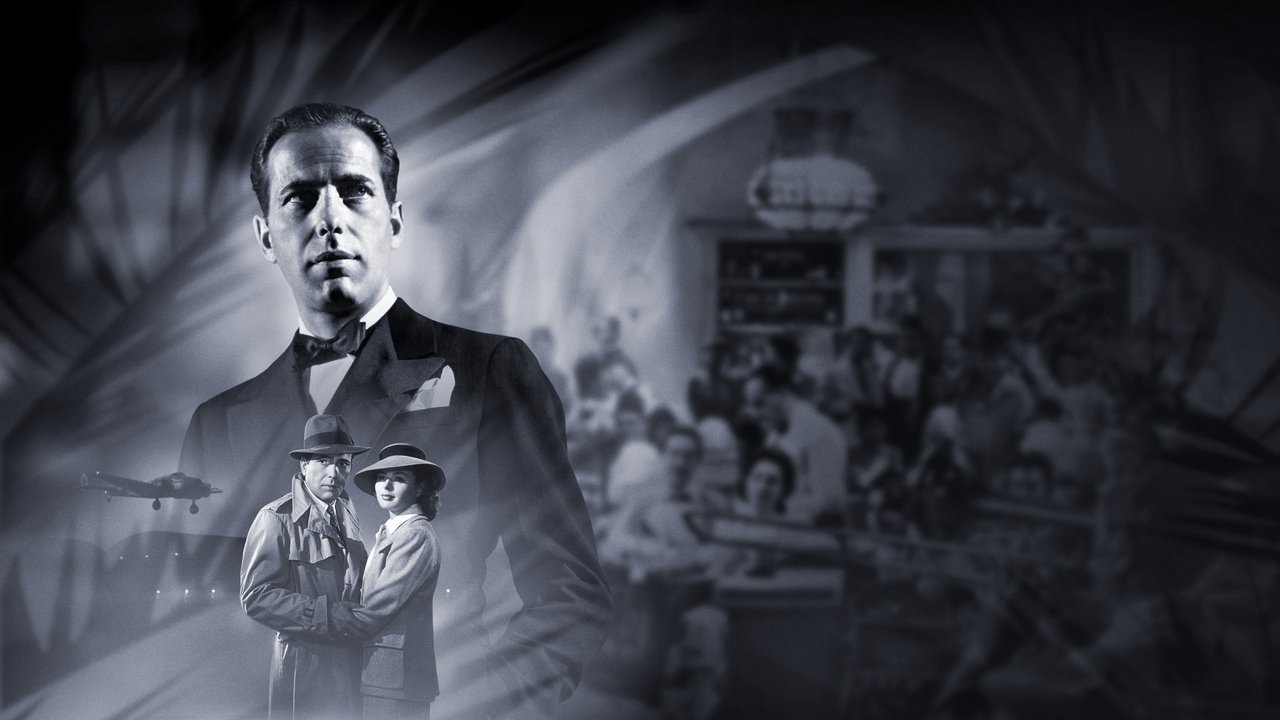
Ugarte attempts to gain the respect and assistance of the cynical Rick by entrusting him with invaluable stolen letters of transit.

Start a free 7-day trial — 5 downloads a day, unlimited when Pro begins

Rehearse this scene
Rehearse on your terms

Choose your role and voices for the other characters. Run the scene at your own pace.

Scene PreviewExcerpt — subscribe to read full scene

UGARTE

Huh. You know, Rick, watching you just now with the Deutsches Bank, one would think you'd been doing this all your life.

RICK

Well, what makes you think I haven't?

UGARTE

Oh, nothing. But when you first came to Casablanca, I thought --

RICK

-- You thought what?

UGARTE

What right do I have to think?

End of preview. Continue with Pro below.

7 days freeYour next rehearsal starts here

Found your next scene? Make it yours.

Start your free trial and read Letters of Transit in full, with access to 3,000+ monologues and scenes to explore next.

  • Read the full scene and explore the library
  • Download your script in a clean, printable format
  • Take it into rehearsal with the Script Reader
Casting Types
Get Feedback
Coming Soon

Want expert coaching on this scene?

Browse our curated list of acting coaches, dialect specialists, and more.

Find a Coach

Need representation?

Browse verified agents and casting directors in our directory.

Scene Notes & Audition Tips

5 sections
About This Scene

This pivotal duologue from *Casablanca* introduces the complex relationship between Rick Blaine and Ugarte. Set against the tense backdrop of wartime Casablanca, it showcases Ugarte's desperate attempt to secure Rick's trust and assistance by entrusting him with stolen, invaluable letters of transit. The scene is charged with a palpable tension, underpinned by Ugarte's fawning insecurity and Rick's cool, cynical indifference, setting the stage for the dramatic events that follow. It's a masterclass in establishing character dynamics and escalating stakes through seemingly mundane conversation.

Character Analysis

Ugarte is presented as a shifty, opportunistic black marketeer, desperate for respect and acceptance, particularly from the enigmatic Rick. He is outwardly charming but inwardly terrified, constantly seeking validation while simultaneously engaging in morally ambiguous activities to survive and profit. Rick, on the other hand, embodies the classic anti-hero: world-weary, cynical, and outwardly detached, yet possessing an underlying moral code that occasionally surfaces. His dismissive demeanor towards Ugarte masks a shrewd observational quality and a deep understanding of human nature, making him a formidable presence.

Why This Works for Auditions

This scene offers fantastic material for actors looking to demonstrate a wide range of emotions and subtext within a contained interaction. The dynamic between the fawning Ugarte and the indifferent Rick provides clear, contrasting objectives and acting challenges. Both characters have significant emotional journeys throughout the scene, allowing performers to showcase nuance, power shifts, and the ability to play against another actor's energy. Its dramatic intensity and intricate dialogue make it a strong choice for highlighting an actor's command of character and storytelling.

Best Suited For

This duologue is ideally suited for male actors in the 30-45 age range who can embody complex characters with contrasting energies. It's excellent for those looking to present a sophisticated, character-driven dramatic performance for drama school auditions, agent showcases, or self-tapes. Actors adept at playing roles with a gritty edge, cynical wit, or criminal undertones will find rich material here. It also serves as superb general practice for honing active listening and reactive performance skills.

Performance Tips

For Ugarte, focus on the underlying desperation and the constant need for approval, allowing it to inform his fawning speech and nervous gestures. His charm should feel slightly forced, a facade over his fear. For Rick, embrace the stillness and the power of understatement. Your indifference shouldn't be passive; it should be an active choice that reveals character and creates tension. Pay close attention to the rhythm of the dialogue, especially how Rick's terse replies cut through Ugarte's longer, more effusive lines, illustrating the power imbalance between them.

Explore this topic