ILSA: Rick, I have to talk to you.
RICK: Oh. I saved my first drink to have with you. Here.
ILSA: No. No, Rick. Not tonight.
RICK: Especially tonight.
ILSA: Please.
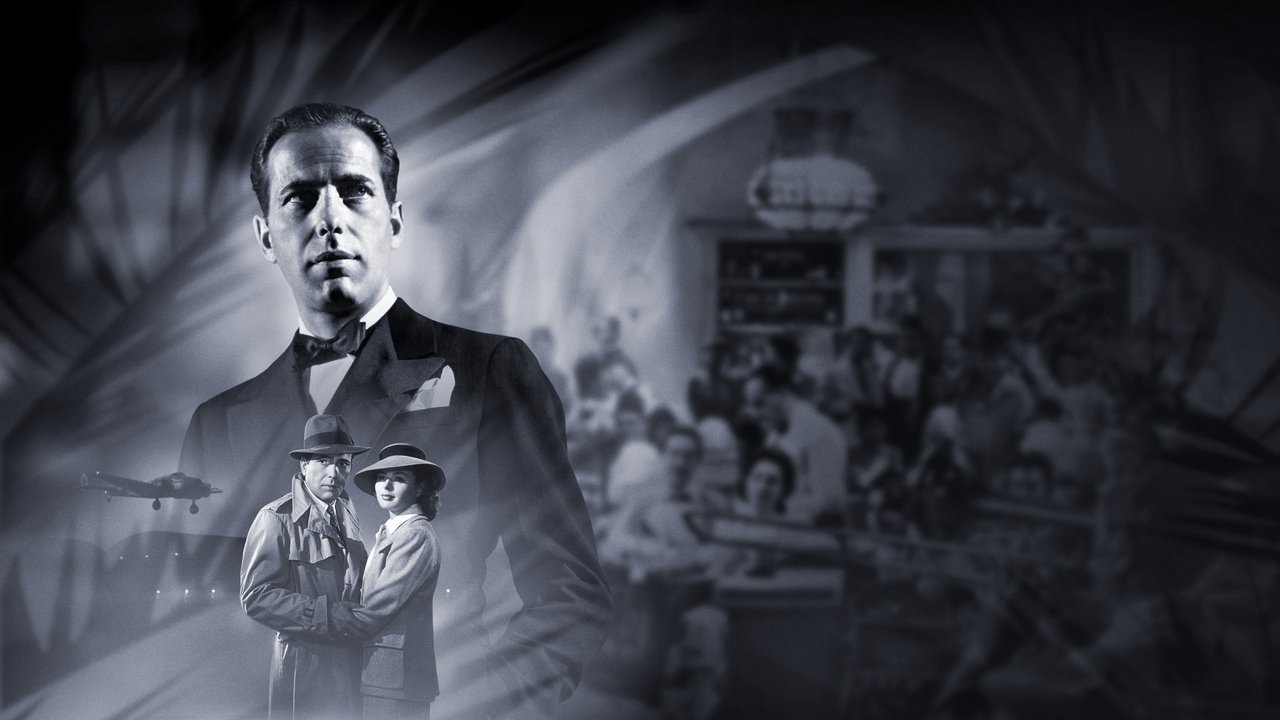
A drunken and embittered Rick is confronted by Ilsa late at night in his deserted cafe. Rick lashes out with cynical insults regarding their past in Paris, while Ilsa attempts to explain her disappearance and the complicated truth of her marriage.
ILSA: Rick, I have to talk to you.
RICK: Oh. I saved my first drink to have with you. Here.
ILSA: No. No, Rick. Not tonight.
RICK: Especially tonight.
ILSA: Please.
Format: Duologue · Genre: Drama · Source: Casablanca · Author: Julius J. Epstein · Characters: Rick, Ilsa
This dramatic duologue from "Casablanca" plunges directly into the raw aftermath of a profound personal betrayal and lost love. Rick, fueled by alcohol and bitter memories, confronts Ilsa with the emotional wreckage of their past in Paris. Ilsa, while initially tentative, attempts to navigate Rick's anger and provide an explanation for her sudden disappearance from his life, revealing the complex circumstances surrounding her prior marriage. The scene is rich with underlying tension, heartbreak, and a palpable sense of history between the two characters.
Rick, in this scene, embodies the archetypal anti-hero; he is deeply wounded and expresses his pain through cynical insults and a defensive, aggressive posture. His bitterness is a shield, protecting a profoundly heartbroken core. Ilsa, on the other hand, presents as vulnerable yet determined. She is attempting to explain a complicated truth, facing Rick's hostility with a quiet strength, suggesting a profound emotional burden she carries. Both characters are deeply affected by their shared history and the wartime context, adding layers to their individual struggles.
This scene is a fantastic choice for auditions due to its high emotional stakes and the clear, dynamic arc for both characters. It offers significant opportunities for actors to showcase a wide range of emotions, from simmering rage and sarcasm to deep vulnerability and regret. The dialogue is expertly crafted, allowing for nuanced vocal delivery and strong dramatic beats. Its themes of betrayal, lost love, and unresolved conflict are universally resonant, making it impactful even out of context.
This scene is particularly well-suited for actors in the 30s-40s age range who can credibly portray characters carrying significant emotional baggage. It's ideal for those aiming for leading man, leading lady, anti-hero, or romantic lead roles, demonstrating depth and complexity. Actors who excel at conveying both overt anger and underlying heartbreak will find this material especially rewarding. It’s perfect for drama school auditions, agent showcases, self-tapes, and general practice for its challenging yet rewarding nature.
Actors approaching this scene should focus on the subtext beneath the lines. For Rick, consider the deep pain fueling his anger; his bitterness is a defense mechanism rather than pure animosity. For Ilsa, aim for a portrayal that conveys her earnest desire to explain without being overly apologetic, highlighting her own difficult past. Pay close attention to pacing, allowing moments of silence to amplify the tension. Work on finding the balance between intensity and vulnerability for both characters, ensuring that their complex emotional states are fully realized.