
Film
monologue
Comedy

My Childhood Was Typical

from Austin Powers: International Man of Mystery

Written by Mike Myers

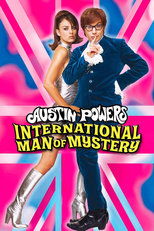
Austin Powers: International Man of Mystery

Dr. Evil recounts his absurd and traumatic upbringing during a group therapy session, framing bizarre abuse and oddities as standard childhood experiences.

Start a free 7-day trial — 5 downloads a day, unlimited when Pro begins

Rehearse on your terms

Take this monologue into rehearsal and work through it at your own pace.

Scene PreviewExcerpt — subscribe to read full scene

DR. EVIL

Very well, where should I begin? My father was a relentlessly self-improving boulangerie owner from Belgium with low-grade narcolepsy and a penchant for buggery. My mother was a fifteen-year-old French prostitute named Chloe with webbed feet. My father would womanize, he would drink, he would make outrageous claims, like he invented the question…

End of preview. Continue with Pro below.

7 days freeYour next rehearsal starts here

Found your next scene? Make it yours.

Start your free trial and read My Childhood Was Typical in full, with access to 3,000+ monologues and scenes to explore next.

  • Read the full scene and explore the library
  • Download your script in a clean, printable format
  • Take it into rehearsal with the Script Reader
Casting Types
Get Feedback
Coming Soon

Want expert coaching on this scene?

Browse our curated list of acting coaches, dialect specialists, and more.

Find a Coach

Need representation?

Browse verified agents and casting directors in our directory.

Scene Notes & Audition Tips

5 sections
About This Scene

This monologue, featuring the iconic Dr. Evil from *Austin Powers: International Man of Mystery*, delivers a masterclass in deadpan comedic storytelling. Dr. Evil presents his truly bizarre and traumatic childhood experiences to a group therapy session as if they were entirely normal, creating a hilariously absurd contrast for the audience. The scene highlights his skewed perception of reality, revealing the origin story of one of cinema's most memorable villains through a series of outlandish anecdotes.

Character Analysis

Dr. Evil is a theatrical, self-important, and highly eccentric supervillain who believes he is sophisticated and charming, despite his ridiculously over-the-top schemes and lack of self-awareness. In this monologue, he reveals a deep-seated need for validation, attempting to normalize a deeply dysfunctional upbringing while inadvertently exposing its profound impact on his villainous persona. He maintains an air of casual indifference while recounting truly horrific and peculiar events, showcasing his capacity for deadpan delivery and a complete disconnect from conventional emotional responses.

Why This Works for Auditions

This monologue is a fantastic choice for auditions due to its unique blend of deadpan humor, character specificity, and strong comedic arc. It allows an actor to demonstrate exceptional control over tone and pacing, building an absurd narrative that culminates in a punchline about his "typical" childhood. The material provides ample opportunity to showcase comedic timing and the ability to maintain a straight face while delivering increasingly ridiculous lines, making it highly memorable for casting directors.

Best Suited For

This scene is particularly well-suited for male actors in the 45-55 age range who excel at character work and comedic performances. It is ideal for those looking to portray a villain with a quirky edge, a strong character actor, or someone capable of delivering intelligent, satirical comedy. Actors who can master deadpan delivery and find the humor in absurd situations will shine with this material, making it excellent for agent showcases, self-tapes, or general practice.

Performance Tips

When approaching this monologue, focus on Dr. Evil's absolute conviction that his childhood was unremarkable and completely standard. The humor stems from the stark contrast between his delivery and the outrageous content of his stories, so avoid playing up the comedy directly. Instead, lean into his matter-of-fact tone, treating each bizarre detail as commonplace and even a little boring. Pay close attention to rhythm and pacing, allowing the audience to process the escalating absurdity without rushing the punchlines.

Explore this topic