Film
duologue
Drama
Horror

Rubik's Cube and First Impressions

from Let Me in

Written by Matt Reeves

Let Me in

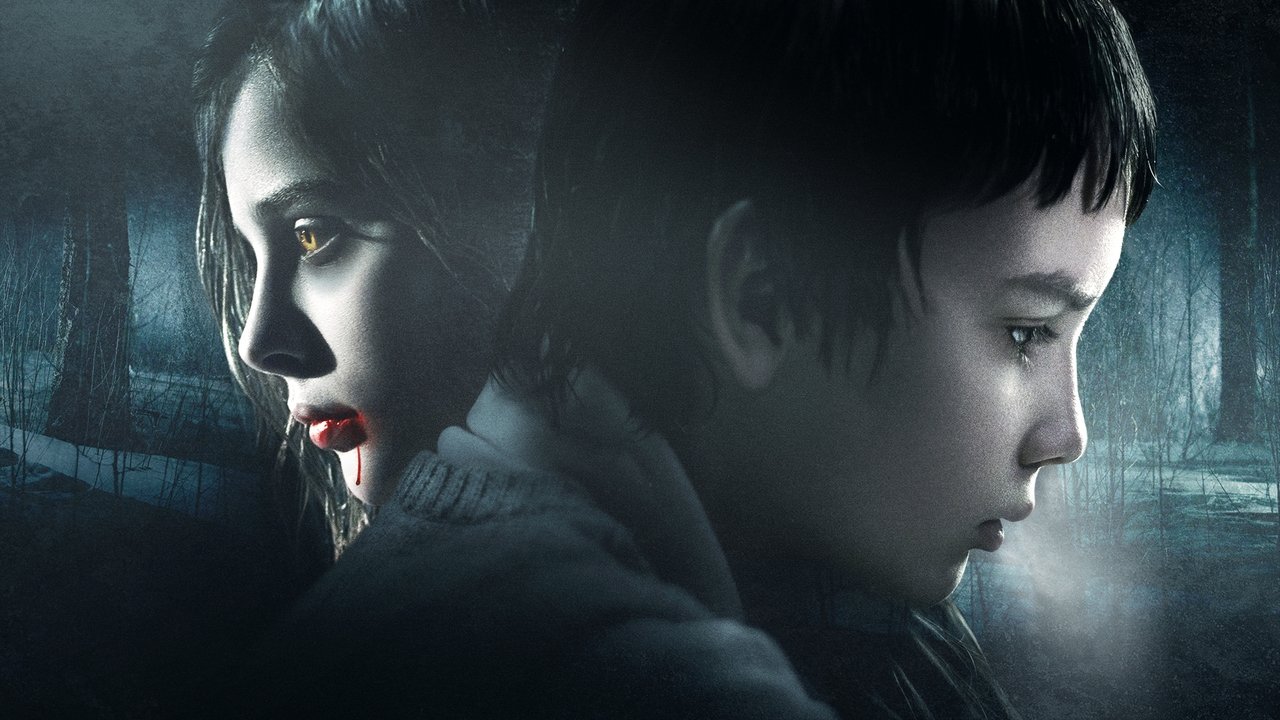
A lonely boy named Owen attempts to befriend his mysterious new neighbor by teaching her how to solve a Rubik's Cube.

Start a free 7-day trial — 5 downloads a day, unlimited when Pro begins

Rehearse this scene
Rehearse on your terms

Choose your role and voices for the other characters. Run the scene at your own pace.

Scene PreviewExcerpt — subscribe to read full scene

GIRL

Oh, it’s you again, huh?

GIRL

You know, I really wanna be left alone...

OWEN

Me too.

GIRL

So leave.

OWEN

You leave. I’ve lived here way longer than you...
End of preview. Continue with Pro below.

7 days freeYour next rehearsal starts here

Found your next scene? Make it yours.

Start your free trial and read Rubik's Cube and First Impressions in full, with access to 4,000+ monologues and scenes to explore next.

  • Read the full scene and explore the library
  • Download your script in a clean, printable format
  • Take it into rehearsal with the Script Reader
Casting Types
Get Feedback
Coming Soon

Want expert coaching on this scene?

Browse our curated list of acting coaches, dialect specialists, and more.

Find a Coach

Need representation?

Browse verified agents and casting directors in our directory.

Scene Notes & Audition Tips

5 sections
About This Scene

This compelling duologue from the film *Let Me In* introduces a pivotal moment between two lonely twelve-year-olds, Owen and the mysterious Girl. Set in a contemporary period, the scene unfolds with a palpable sense of vulnerability and burgeoning connection, despite an initially guarded exchange. It begins with an awkward power play over shared space, quickly shifting to curiosity and an unexpected offering of a Rubik's Cube, which serves as a poignant symbol for their developing, albeit unusual, friendship.

Character Analysis

Owen is portrayed as a lonely and somewhat awkward boy, desperate for connection but unsure how to initiate it. His attempt to teach the Girl about the Rubik's Cube is his overture, revealing his underlying desire for companionship. The Girl, conversely, is mysterious and guarded, hinting at a life far more complex and perhaps even dangerous than Owen's, yet she cannot fully resist the allure of human interaction and the puzzle. Both characters exhibit an outward defensiveness that belies a deep internal yearning for understanding.

Why This Works for Auditions

This scene offers fantastic material for actors under 13, showcasing a delicate balance of vulnerability and quiet strength. The dialogue is naturalistic, allowing performers to explore nuanced reactions and subtext rather than relying on overt emotional displays. It provides opportunities to demonstrate active listening, subtle shifts in emotional state, and the ability to build rapport and tension with a scene partner. The contemporary setting and relatable themes of loneliness and the desire for friendship make it highly accessible.

Best Suited For

This duologue is ideal for young actors seeking material for drama school auditions, self-tapes, or general practice, particularly those who fit the "Outsider," "Loner," or "Vulnerable" casting types. It's especially effective for showcasing an actor's ability to portray understated emotion and develop a character arc within a short timeframe. The scene would resonate strongly with actors who can convey depth and complexity in characters grappling with difficult circumstances or unique perspectives.

Performance Tips

When approaching this scene, focus on the subtext and unspoken motivations driving each character's lines. For Owen, consider his desperate desire for friendship and how his actions, like offering the Rubik's Cube, are an olive branch. For the Girl, explore the tension between her desire to maintain distance and her innate curiosity, allowing moments of genuine intrigue to break through her guarded demeanor. Pay close attention to beats and pauses, as they often convey more than the dialogue itself, highlighting their initial reluctance and eventual, hesitant connection.

Explore this topic