Tv
monologue
Comedy-Drama

Season 5, Episode 6 — Free Churro

from BoJack Horseman

Written by Raphael Bob-Waksberg

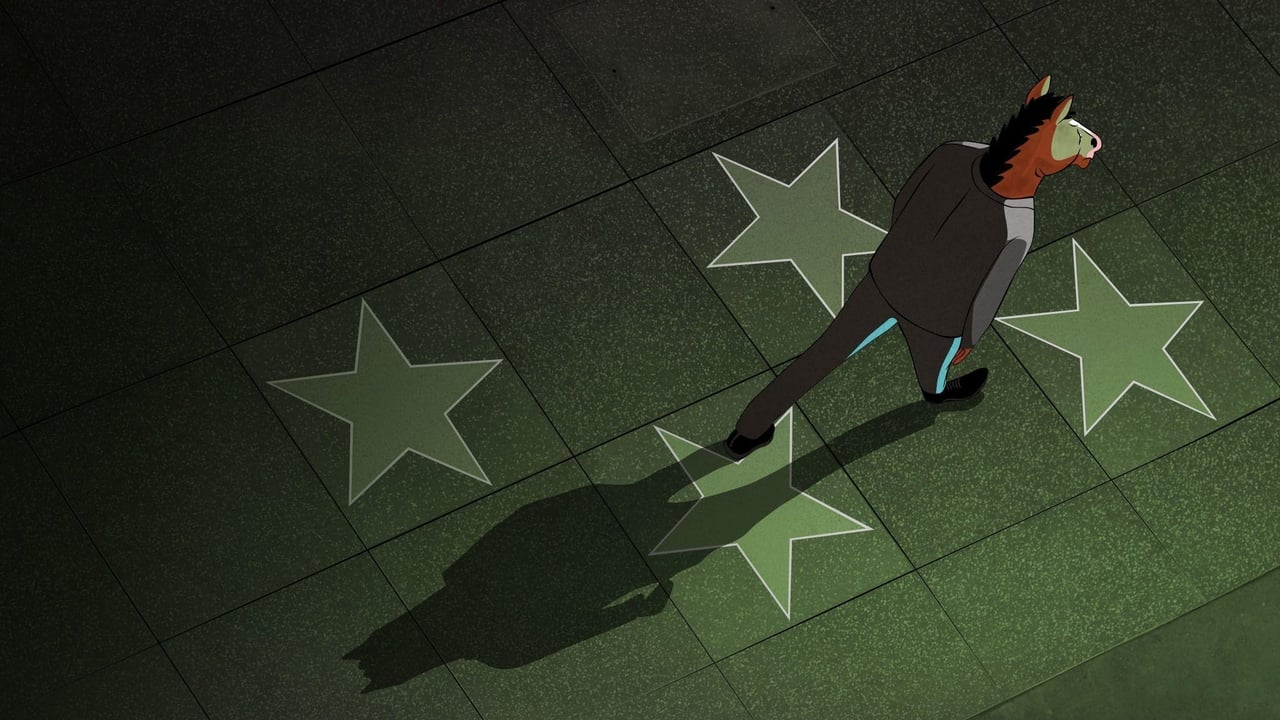
BoJack delivers a lengthy, cynical eulogy at his mother's funeral, beginning with a story about a mundane interaction at a Jack in the Box. He reflects on the performative nature of grief and the absurdity of receiving a free churro as compensation for his mother's death.

Start a free 7-day trial — 5 downloads a day, unlimited when Pro begins

Rehearse on your terms

Take this monologue into rehearsal and work through it at your own pace.

Scene PreviewExcerpt — subscribe to read full scene

BOJACK

Usually when people ask how I'm doing, the real answer is I'm doing shitty, but I can't say I'm doing shitty, because I don't even have a good reason to be doing shitty. So if I say, 'I'm doing shitty,' then they say, 'Why? What's wrong?' And I have to be like, 'I don't know, all of it?' So instead, when people ask me how I'm doing, I usually say,…

End of preview. Continue with Pro below.

7 days freeYour next rehearsal starts here

Found your next scene? Make it yours.

Start your free trial and read Season 5, Episode 6 — Free Churro in full, with access to 1,000+ monologues and scenes to explore next.

  • Read the full scene and explore the library
  • Download your script in a clean, printable format
  • Take it into rehearsal with the Script Reader
Casting Types

Director's Notes

🎯 Character objectives🎭 Emotional beats💡 Audition tips
Unlock Director's Notes
Get Feedback
Coming Soon

Want expert coaching on this scene?

Browse our curated list of acting coaches, dialect specialists, and more.

Find a Coach

Need representation?

Browse verified agents and casting directors in our directory.

Scene Notes & Audition Tips

5 sections
About This Scene

This monologue, from *BoJack Horseman* Season 5, Episode 6 "Free Churro," features BoJack delivering a lengthy eulogy at his mother's funeral. The scene masterfully blends comedy and drama, exploring themes of grief, cynicism, and existentialism through BoJack's unique perspective. It begins with an unexpected anecdote about a free churro and delves into his complex feelings about his mother and the performative aspects of mourning.

Character Analysis

BoJack Horseman is a deeply flawed, middle-aged male character, firmly in the anti-hero archetype. He embodies traits of a loner and a character actor, navigating intense emotional landscapes with a cynical and often self-deprecating wit. In this monologue, his carefully constructed facade of indifference occasionally cracks, revealing raw grief and a profound sense of isolation, making him a complex and compelling figure.

Why This Works for Auditions

This monologue is a fantastic choice for auditions due to its immediate conflict and the wide emotional range it demands. Its dark comedic tone allows an actor to showcase both dramatic depth and comedic timing without relying on slapstick. The contemporary setting and relatable themes of family dysfunction and loss make it accessible, while the unique voice of the writing provides ample opportunity for a truly memorable performance that stands out to casting directors.

Best Suited For

This monologue is particularly well-suited for male actors in the 35-45 age range. It's an excellent option for those looking to portray complex anti-hero or character actor types with a strong sense of irony and emotional intensity. Casting directors often appreciate material that allows them to see an actor's dramatic chops alongside their ability to deliver dark humor, making this ideal for agent showcases, self-tapes, and general practice.

Performance Tips

When approaching this monologue, focus on BoJack's internal struggle between genuine grief and his habitual cynicism. Pay close attention to the shifts in tone, allowing moments of vulnerability to surface through his dry delivery. Experiment with pacing, letting the weight of his words land while also embracing the specific rhythm of the dialogue. Remember that the humor here is often rooted in pain, so connecting to the underlying emotion will elevate the comedic elements.

Explore this topic