
Film
duologue
Drama

Selling Time for Food

from The Pianist

Written by Ronald Harwood

The Pianist

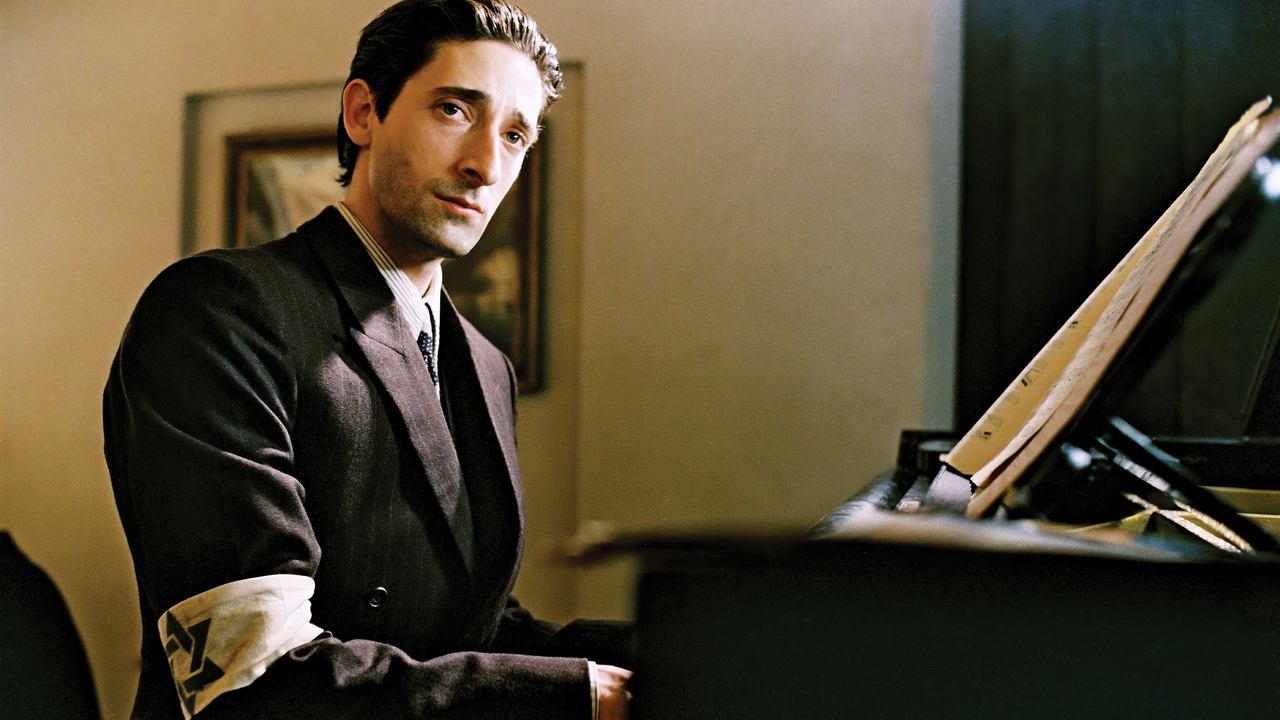
While hiding in an abandoned apartment during the Holocaust, Szpilman confronts his contact, Szalas, about his long absence and lack of supplies. Desperate and suffering from jaundice, Szpilman offers his watch to be sold for food while Szalas offers hollow optimism about the approaching Allied forces.

Start a free 7-day trial — 5 downloads a day, unlimited when Pro begins

Rehearse this scene
Rehearse on your terms

Choose your role and voices for the other characters. Run the scene at your own pace.

Scene PreviewExcerpt — subscribe to read full scene

SZALAS

Still alive then, are you? Here. Sausage. Bread.

He hands over the package

You still got that vodka?

SZPILMAN

How long is this meant to last? I think I've got jaundice.

SZALAS

You don't want to worry about that. My grandfather was jilted by his girl friend when he got jaundice. In my opinion, jaundice is not very serious. Drink up.…

End of preview. Continue with Pro below.

7 days freeYour next rehearsal starts here

Found your next scene? Make it yours.

Start your free trial and read Selling Time for Food in full, with access to 1,000+ monologues and scenes to explore next.

  • Read the full scene and explore the library
  • Download your script in a clean, printable format
  • Take it into rehearsal with the Script Reader
Casting Types
Get Feedback
Coming Soon

Want expert coaching on this scene?

Browse our curated list of acting coaches, dialect specialists, and more.

Find a Coach

Need representation?

Browse verified agents and casting directors in our directory.

Scene Notes & Audition Tips

5 sections
About This Scene

This powerful duologue, "Selling Time for Food," from the film *The Pianist*, captures a moment of intense vulnerability and strained trust amidst the horrors of the Holocaust. Set in an abandoned apartment, the scene unfolds as Szpilman, suffering from jaundice and severe hunger, confronts his contact Szalas, who has been absent for an extended period. The conversation oscillates between desperation, hollow optimism, and a stark negotiation for survival, culminating in Szpilman offering his last valuable possession, his watch, for sustenance. It’s a raw exploration of human resilience and the moral compromises forced by extreme circumstances.

Character Analysis

Szpilman is portrayed as a man teetering on the edge of survival, physically weakened but retaining a glimmer of defiant determination. His questions and actions, like offering his watch, reveal a practical and courageous spirit despite his dire condition and jaundice. Szalas, on the other hand, embodies a more ambiguous figure, a survivor himself who acts as a lifeline but also appears opportunistic and detached, offering platitudes about Allied forces while accepting Szpilman's last valuable. Their dynamic is one of dependency and desperation, showcasing two distinct responses to an unimaginable crisis.

Why This Works for Auditions

This scene offers actors a fantastic opportunity to showcase a wide range of intense emotions and complex character work within a short timeframe. The confined setting and high stakes allow for nuanced physical and vocal choices, particularly for Szpilman, who must convey severe weakness alongside an enduring will to live. Szalas provides an equally compelling challenge, requiring an actor to balance apparent empathy with a subtle self-preservation and perhaps even a hint of callousness. Both roles demand a deep understanding of psychological tension and subtext, making it ideal for demonstrating dramatic range.

Best Suited For

This duologue is exceptionally well-suited for male actors aged 25-35 who can embody either the "Everyman" or "Vulnerable" casting types for Szpilman, or the "Character Actor" and "Working Class" archetypes for Szalas. Its intense tone and historical context make it particularly strong for actors aiming to demonstrate dramatic depth in a general practice setting, self-tape, or agent showcase. Actors comfortable with exploring themes of survival, betrayal, and the psychological impact of war will find this material especially rewarding and impactful for their audition portfolio.

Performance Tips

For Szpilman, focus on conveying physical weakness through subtle body language and vocal fatigue, while allowing moments of resolve and desperation to cut through. Emphasize his jaundice and hunger as physical realities that inform every line delivery and movement. For Szalas, aim for a performance that balances casualness with an undercurrent of self-interest and perhaps a touch of fear. His optimism about the war should feel slightly forced or naive, providing a stark contrast to Szpilman's immediate reality. Pay close attention to the power dynamics and the unspoken desperation in Szpilman's offer of the watch, making the transaction weighty for both characters.

Explore this topic