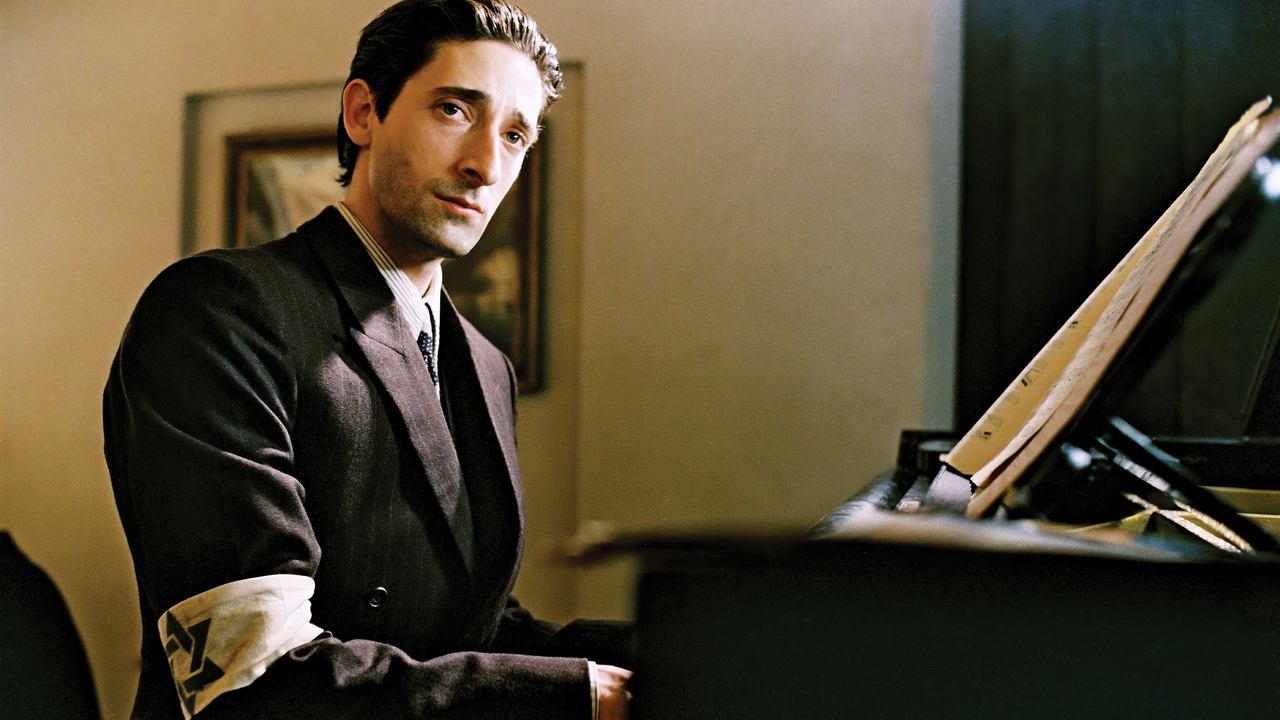
THE GERMAN CAPTAIN: Who the hell are you?
[Szpilman just stares at him]
THE GERMAN CAPTAIN: Who are you?
THE GERMAN CAPTAIN: What the hell are you doing?
SZPILMAN: I was... I was trying to open this tin.

A starving Jewish pianist hiding in the ruins of Warsaw is discovered by a German Captain while trying to open a tin of food. After being forced to prove his identity by playing a grand piano, the Captain decides to help him rather than turn him in.
THE GERMAN CAPTAIN: Who the hell are you?
[Szpilman just stares at him]
THE GERMAN CAPTAIN: Who are you?
THE GERMAN CAPTAIN: What the hell are you doing?
SZPILMAN: I was... I was trying to open this tin.
Format: Duologue · Genre: Historical Drama · Source: The Pianist · Author: Ronald Harwood · Characters: Szpilman, The German Captain
This powerful duologue, "The Pianist's Confession," is a compelling historical drama set during a devastating war. It features a life-or-death encounter between Szpilman, a starving Jewish pianist in hiding, and a German Captain who discovers him in a ruined city. The scene masterfully builds tension as Szpilman is forced to reveal his identity and musical talent, ultimately leading to an unexpected act of compassion.
Szpilman is portrayed as vulnerable and desperate, driven by the basic need for survival while retaining an inherent dignity and artistic soul. His frantic search for food and his fear when discovered highlight his perilous situation. The German Captain, on the other hand, embodies a complex authority figure; initially a threat, his character undergoes a profound shift, revealing a surprising depth of humanity and an appreciation for art.
This scene offers exceptional material for auditions due to its high stakes and profound emotional journey. The gradual reveal of Szpilman's identity and the Captain's moral dilemma provide rich dramatic opportunities for both actors. The transformation of the dynamic from extreme fear to tentative hope is incredibly engaging, allowing actors to showcase a wide range of emotions and nuanced character work within a compact timeframe.
This scene is particularly well-suited for male actors in the adult age range who excel at portraying vulnerability, intensity, or authoritative figures. It's an excellent choice for drama school auditions, agent showcases, or self-tapes where actors want to demonstrate their ability to handle historical drama with gravitas and emotional depth. Actors comfortable with gritty, high-tension narratives will find this piece especially rewarding.
When performing this scene, focus on the subtext of each line and the physical realities of the characters' circumstances. For Szpilman, emphasize his physical weakness and hunger, contrasted with the immense strength required to play the piano under such duress. For the Captain, explore the internal conflict he faces, allowing his choices to feel earned and impactful. Pay close attention to the shifts in power dynamics and the profound implications of each character's decisions.