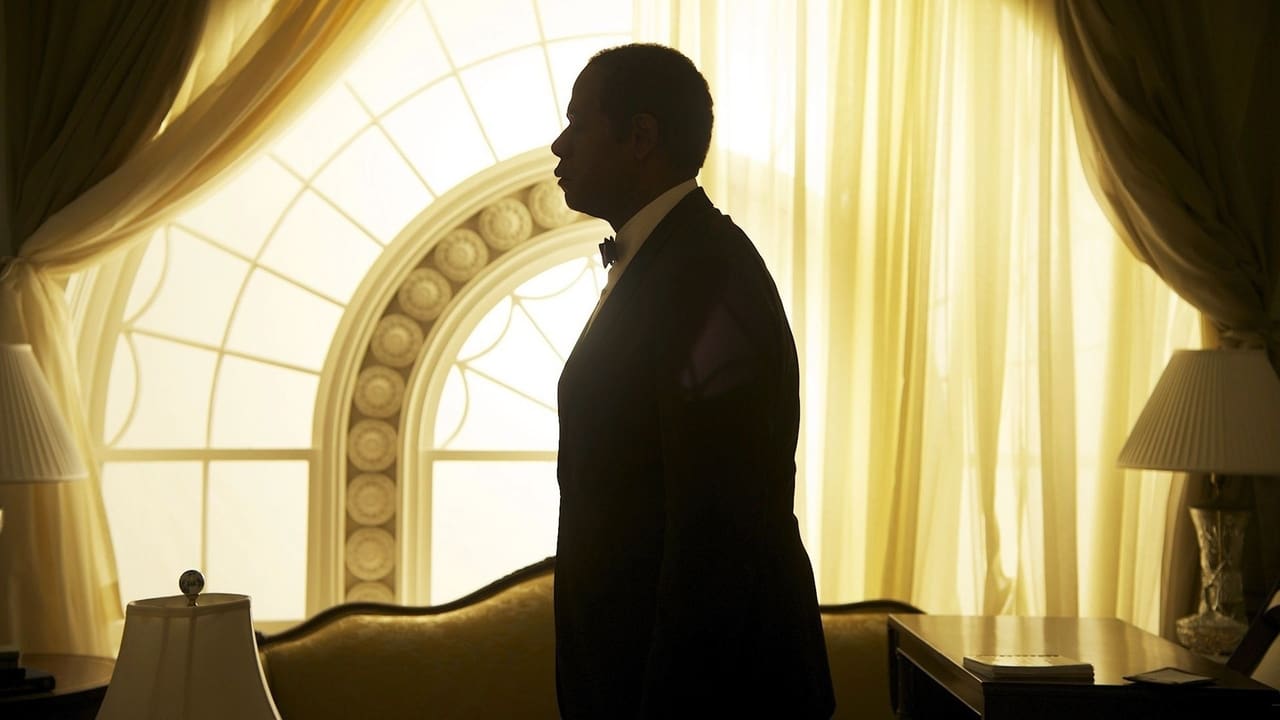
Dr. Martin Luther King Jr. discusses the Vietnam War and the social significance of the black domestic worker with Louis. King offers a profound perspective on how Louis's father's profession serves as a quiet but powerful form of subversion against racial stereotypes.
MARTIN LUTHER KING: President Johnson may have a big heart, but he is making a tragic error in Vietnam.
LOUIS: We haven’t spoken about it specifically, I just know they do.
MARTIN LUTHER KING: What does your dad do?
LOUIS: He’s a butler.
MARTIN LUTHER KING: Ah, yes. The black domestic. They serve a great role in our history.
About This Scene
This historical drama duologue features an iconic civil rights leader, Martin Luther King, engaging in a profound conversation with Louis, a younger man, about the Vietnam War and the societal role of Black domestic workers. Set in a motel room, the scene begins with their shared observation of news footage, setting a contemplative tone. It then shifts to a deeply insightful discussion where King redefines Louis's perception of his father's profession, highlighting its understated power and significance within the broader civil rights movement.
Character Analysis
Martin Luther King in this scene is portrayed as a nuanced authority figure, not only a speaker of grand truths but also a deeply empathetic mentor. He demonstrates leadership through thoughtful inquiry and gentle guidance, actively seeking to understand Louis's perspective before offering his own revelatory insights. Louis, on the other hand, embodies the curious student or everyman; initially perhaps a little embarrassed by his father's occupation, he is open to a new, empowering understanding of his family's history and contribution.
Why This Works for Auditions
This scene is excellent for auditions because it offers rich opportunities for dynamic character interplay and a clear arc for both performers. The dialogue is intelligent and layered, allowing actors to showcase their ability to handle complex themes and subtle emotional shifts. Its historical context and the presence of such a renowned figure make it inherently compelling, while the focus on personal revelation ensures the individual performances can shine.
Best Suited For
This duologue is best suited for male-identifying actors in their 30s-40s for the role of Martin Luther King, and 20s-30s for Louis. It works particularly well for those able to embody casting types such as an Authority Figure, Mentor, or Leader for King, and a Student or Everyman for Louis. Actors who excel at conveying inspiring, insightful, and revelatory tones will find this scene a strong showcase for their abilities in historical dramas with strong social commentary.
Performance Tips
For Martin Luther King, focus on conveying an inner calm and profound wisdom, using a measured pace that draws Louis, and the audience, into his perspective. Emphasize the warmth and genuine interest in Louis's background, ensuring your delivery feels deeply personal and not just a lecture. For Louis, start with a subtle discomfort or reserve, allowing his embarrassment about his father's job to inform his initial responses, then gradually allow King's words to visibly shift his understanding and perception, ending with a moment of quiet, internal revelation.