LOUIS: You goin’ to Vietnam?
ELROY: Yes, sir.
GINA: We all so proud.
GLORIA: So, Carol, I have all sorts of cooking supplies you can have when you two move in together.
CAROL: Thank you, Mrs. Gains, but I don’t cook.
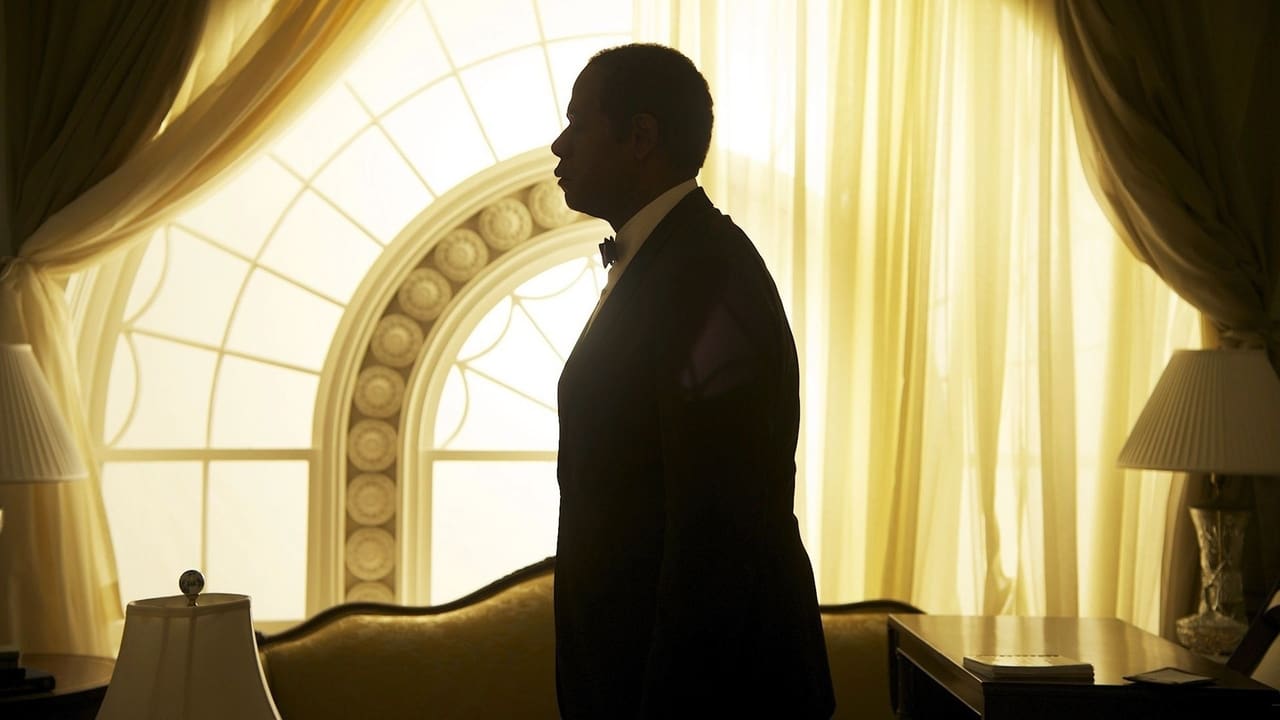
A tense family dinner erupts into a violent argument when Louis and his girlfriend Carol challenge Cecil's traditional values with their Black Panther ideology. The conflict reaches a breaking point when Louis insults Sidney Poitier, leading Cecil to kick his son out of the house after a physical confrontation involving Gloria.
LOUIS: You goin’ to Vietnam?
ELROY: Yes, sir.
GINA: We all so proud.
GLORIA: So, Carol, I have all sorts of cooking supplies you can have when you two move in together.
CAROL: Thank you, Mrs. Gains, but I don’t cook.
Format: Scene · Genre: Drama · Source: The Butler · Author: Danny Strong · Characters: Cecil, Louis, Gloria, Carol, Elroy, Gina
This explosive drama scene, "The Uncle Tom Argument" from the film The Butler, offers a powerful exploration of generational and ideological conflict within an African-American family during the Civil Rights era. The setting is a family dinner, which quickly devolves into a heated confrontation as Louis, a proponent of the Black Panther ideology, challenges the traditional values upheld by his father, Cecil, and the norms of their community. The argument escalates significantly, exposing deep-seated disagreements about identity, protest, and assimilation, ultimately leading to a violent outburst and family rupture.
The scene features Cecil, a patriarch in his 40s-50s, representing an authority figure with traditional values, and Louis, a rebel in his 20s, embodying the radical, confrontational spirit of the Black Power movement. Gloria, another matriarchal figure in her 40s-50s, attempts to mediate but eventually becomes entangled in the emotional crossfire. Carol, Louis's girlfriend, supports his views, while Elroy and Gina represent a more traditional, patriotic stance. Each character is driven by distinct beliefs and a strong emotional core, making for dynamic and high-stakes interactions.
"The Uncle Tom Argument" is an exceptional choice for auditions due to its high emotional stakes and the clear, distinct viewpoints of its characters. The scene provides ample opportunity for actors to showcase a wide range of emotions, from simmering tension and ideological conviction to outrage, disappointment, and physical conflict. Its foundation in a family dynamic amplifies the personal cost of the ideological clash, allowing for nuanced performances that delve into deeply felt convictions and raw human emotion, making it a compelling piece for a casting director to assess dramatic range.
This scene is ideally suited for male actors in their 20s playing Louis, or male actors in their 40s-50s portraying Cecil, looking for material that demonstrates intensity and gravitas. It's particularly effective for actors who can convey strong political conviction, generational frustration, or paternal authority under duress. The scene's confrontational nature makes it perfect for those capable of handling explosive dialogue and a palpable interpersonal tension, shining in roles requiring powerful emotional presence and a strong sense of character.
When performing this scene, actors should focus on the underlying ideological conflict and the familial bonds being tested. For Louis, lean into the conviction and revolutionary fervor, showing how his beliefs are deeply rooted and not just performative. For Cecil, portray the immense frustration and disappointment of a father whose legacy and sacrifices are being dismissed, balancing love with a fierce defense of his values. Pay close attention to the escalating tension and the specific points of contention, ensuring that each line is delivered with intention and reflects the character's core beliefs and emotional state at that precise moment.