The Birth of 'Blue Moon' — Blue Moon

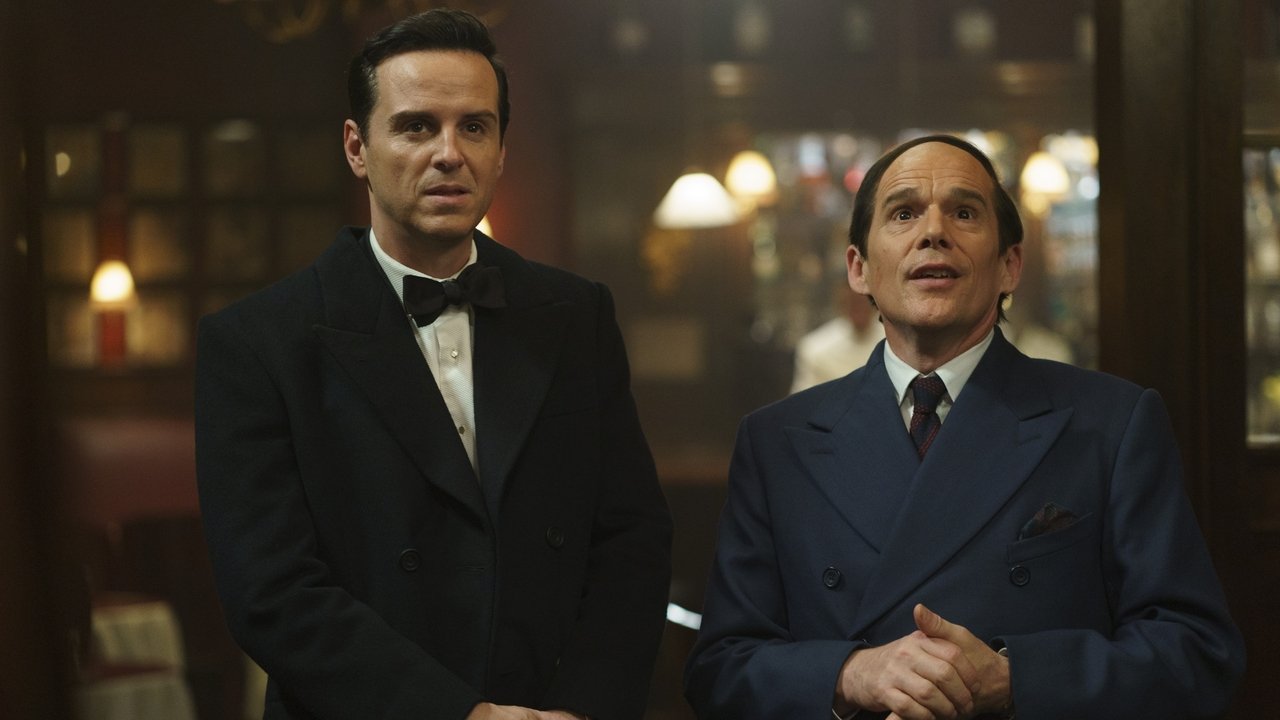
Larry Hart reflects on the commercial pressures of songwriting while sharing a drink with friends. He recounts a cynical but humorous anecdote about how his artistic lyrics were rejected by a studio executive in favor of the more marketable title Blue Moon.

HART: You know, it wasn’t even supposed to be called Blue Moon. I called it The Bad in Every Man. We wrote it for this movie Manhattan Melodrama. Jack Robbins, formerly Rabinowitz—he had his name circumcised—over at MGM, he hears the song; he calls us into his office, he lowers his pastrami, says: Dick, I love the melody. Strong as anything you’ve ever…

Format: Monologue · Genre: drama · Source: Blue Moon · Author: Unknown · Characters: Hart, Eddie, Morty Rifkin

About This Scene

This dramatic monologue, "The Birth of 'Blue Moon'," offers a compelling glimpse into the commercial realities faced by artists, specifically songwriters, in a bygone era of entertainment. Set in a modern-classic period, it features the character of Hart, who recounts a humorous yet cynical anecdote about the origins of a famous song. This piece provides a rich opportunity for an actor to explore themes of artistic integrity versus commercial viability, all while maintaining a conversational and engaging tone.

Character Analysis

Hart is presented as a seasoned, somewhat jaded individual, likely in his 40s or 50s, who has experienced the highs and lows of the entertainment industry. He possesses a keen sense of humor, evident in his storytelling and the way he frames his experiences. Despite his cynical recount of commercial pressures, there's an underlying resignation and perhaps a touch of pride in the ultimate success of the song, even if its title was a compromise. He embodies the "Everyman" or "Character Actor" archetype, making him relatable while also possessing a charming, almost performative, storytelling quality.

Why This Works for Auditions

This monologue is an excellent choice for auditions due to its well-defined narrative arc and clear emotional journey. It allows actors to showcase a range of subtle emotions – from reminiscence and cynicism to humor and wry acceptance – within a contained timeframe. The conversational style also makes it very accessible and allows for a natural, authentic delivery, which is highly valued in casting. It’s also short enough to hold attention but substantial enough to demonstrate nuanced character work.

Best Suited For

"The Birth of 'Blue Moon'" is particularly well-suited for male actors in their 40s or 50s who can bring a world-weary charm and a knack for storytelling to their performance. It's ideal for those aiming for roles that require a "Character Actor," "Everyman," or "Working Class" type, especially in projects with a dramatic yet humorous tone. Its casual setting and relatable theme make it perfect for self-tapes, agent showcases, or general practice, where an actor needs to demonstrate conversational realism and subtle emotional depth.

Performance Tips

To truly excel with this monologue, focus on Hart's conversational yet precise rhythm, allowing the humor and cynicism to emerge naturally from his storytelling. Pay attention to the shifts in his perspective as he recounts the past, particularly the irony of the executive's demands versus the song's eventual success. Avoid overplaying the cynicism; instead, let it be an undertone to his humorous and resigned delivery. Maintaining eye contact with your imagined scene partners, Eddie and Morty, can help ground your performance and enhance the intimacy of the revelation.