
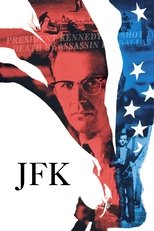
Film
monologue
Drama
Thriller

The Closing Argument on Fascism

from Jfk

Written by Oliver Stone, Zachary Sklar

Jfk

District Attorney Jim Garrison delivers a powerful closing argument, challenging the jury to confront the conspiracy and fascism behind the JFK

Start a free 7-day trial — 5 downloads a day, unlimited when Pro begins

Rehearse on your terms

Take this monologue into rehearsal and work through it at your own pace.

Scene PreviewExcerpt — subscribe to read full scene

JIM

The Official Legend is created and the media takes it from there. The glitter of official lies and the epic splendor of the thought-numbing funeral of J.F.K. confuse the eye and confound the understanding. Hitler always said "the bigger the lie, the more people will believe it." Lee Oswald - a crazed, lonely man who wanted attention and got it by…

End of preview. Continue with Pro below.

7 days freeYour next rehearsal starts here

Found your next scene? Make it yours.

Start your free trial and read The Closing Argument on Fascism in full, with access to 3,000+ monologues and scenes to explore next.

  • Read the full scene and explore the library
  • Download your script in a clean, printable format
  • Take it into rehearsal with the Script Reader
Casting Types
Get Feedback
Coming Soon

Want expert coaching on this scene?

Browse our curated list of acting coaches, dialect specialists, and more.

Find a Coach

Need representation?

Browse verified agents and casting directors in our directory.

Scene Notes & Audition Tips

5 sections
About This Scene

This powerful monologue is delivered by District Attorney Jim Garrison in the climactic courtroom sequence of the film *JFK*. Jim, acting as the lead prosecutor, presents his closing argument to the jury, meticulously building a case that challenges the official narrative surrounding President Kennedy's assassination. The speech is a fervent call to action, urging the jury and, by extension, the audience, to look beyond superficial explanations and confront the deeper implications of political conspiracy and potential fascism within their society. It is a moment of intense oratorical drama, designed to stir profound thought and emotional engagement from its listeners.

Character Analysis

Jim is portrayed as an unwavering, almost obsessive, truth-seeker, driven by a deep sense of justice and patriotism. He is an intelligent, articulate lawyer whose conviction is palpable, making him a compelling and authoritative figure. Despite the immense pressure and the controversial nature of his theories, Jim stands firm, embodying the spirit of an "Everyman" who dares to question power. His delivery in this scene requires a commanding presence combined with a vulnerability that conveys the personal toll of his fight, allowing the actor to showcase both intellectual prowess and profound emotional investment.

Why This Works for Auditions

This monologue is an excellent choice for auditions due to its significant dramatic arc and the profound emotional depth it demands. It allows an actor to demonstrate their ability to command a stage, build intensity, and deliver complex, intellectual material with passion and clarity. The scene provides ample opportunity to explore a wide range of vocal dynamics, from calm reason to impassioned plea, and to convey a character driven by a powerful moral compass. Its contemporary period setting also makes it highly relevant for current casting calls.

Best Suited For

"The Closing Argument on Fascism" is particularly well-suited for male actors in the 35-45 age range who are seeking roles as "Leading Man," "Lawyer," or "Authority Figure." It's ideal for a drama school audition, an agent showcase, or a self-tape where an actor wants to display gravitas, intellectual strength, and an ability to hold an audience's attention with a sustained dramatic performance. Actors aiming for intense, morally driven characters will find this piece especially resonant, allowing them to showcase their ability to embody conviction and a fight for justice.

Performance Tips

When approaching this monologue, focus on Jim's unwavering conviction and the escalating urgency of his message. Begin with a grounded, measured intensity, allowing the intellectual weight of his argument to land before building to the more emotional and rhetorical flourishes. Pay close attention to varying your pace and vocal dynamics to avoid monotony, emphasizing key phrases and questions to engage your imaginary jury. Remember that Jim isn't just presenting facts; he's appealing to a shared sense of morality and national identity, so connect deeply with the underlying emotional plea for truth and justice.

Explore this topic