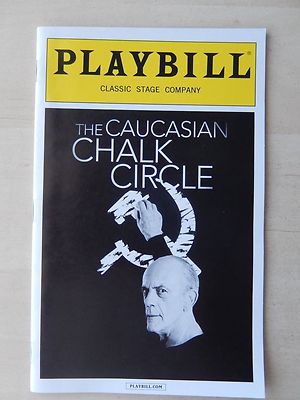
Play
monologue
Drama

Scene 3 — The Corporal's Philosophy of War

from The Caucasian Chalk Circle

Written by Bertolt Brecht

Scene 3 — The Corporal's Philosophy of War from The Caucasian Chalk Circle — audition scene

A cynical Corporal berates a subordinate for his lack of enthusiasm and perceived insubordination during their march. He delivers a crude, visceral speech defining the 'ideal' soldier as someone who finds sexual gratification in violence and total devotion to their superior.

Start a free 7-day trial — 5 downloads a day, unlimited when Pro begins

Rehearse on your terms

Take this monologue into rehearsal and work through it at your own pace.

Scene PreviewExcerpt — subscribe to read full scene

CORPORAL

You'll never amount to anything, blockhead, your heart's not in it. Your senior officer sees this in little things. Yesterday, when I made the fat gal, yes, you grabbed her husband as I commanded, and you did kick him in the belly, at my request, but did you enjoy it, like a loyal Private, or were you just doing your duty? I've kept an eye on you…

End of preview. Continue with Pro below.

7 days freeYour next rehearsal starts here

Found your next scene? Make it yours.

Start your free trial and read Scene 3 — The Corporal's Philosophy of War in full, with access to 1,000+ monologues and scenes to explore next.

  • Read the full scene and explore the library
  • Download your script in a clean, printable format
  • Take it into rehearsal with the Script Reader
Casting Types
Get Feedback
Coming Soon

Want expert coaching on this scene?

Browse our curated list of acting coaches, dialect specialists, and more.

Find a Coach

Need representation?

Browse verified agents and casting directors in our directory.

Scene Notes & Audition Tips

5 sections
About This Scene

This intense monologue features a Corporal delivering a brutal and cynical philosophy of war to a subordinate. Set during a march, the Corporal berates the subordinate for perceived insubordination and lack of enthusiasm, articulating a chilling definition of the 'ideal' soldier. It's a raw exploration of power dynamics, loyalty, and the dehumanizing effects of conflict, offering a powerful statement on the psychology of oppression.

Character Analysis

The Corporal is a hardened, manipulative, and deeply cynical individual. He views human beings as instruments to be used for his own gain and gratification, as evidenced by his disturbing definition of a soldier's 'loyalty' and 'enjoyment' of violence. His actions and words reveal a character who thrives on control and domination, seeing any deviation from his will as personal affront. This character is an embodiment of military authority turned toxic, displaying a complete disregard for human empathy.

Why This Works for Auditions

This monologue is an excellent choice for auditions due to its immediate impact and raw emotional content. It offers a performer the chance to showcase a wide range of intensity, from seething anger to chilling control, all within a relatively short duration. The character's disturbing philosophy is memorable, allowing an actor to make a strong, distinctive impression that highlights their ability to portray complex and morally ambiguous roles.

Best Suited For

This scene is ideally suited for male actors aged 25-35 who wish to demonstrate their capacity for playing authoritative, villainous, or gritty character types. It is particularly effective for drama school auditions, where the ability to delve into challenging themes and portray emotionally charged characters is highly valued. Actors aiming for roles that require a strong stage presence and a commanding vocal delivery will find this piece particularly effective.

Performance Tips

When approaching this monologue, focus on the Corporal's underlying power and control, even in his most enraged moments. Explore the shifts in his tone as he moves from chastising to philosophizing, ensuring that his disturbing ideology feels authentic and deeply ingrained. Pay close attention to the rhythm of Brecht's language, using pauses and vocal dynamics to emphasize his casual cruelty. Ground the character in a physical presence that conveys his dominance and the constant threat he poses.

Explore this topic