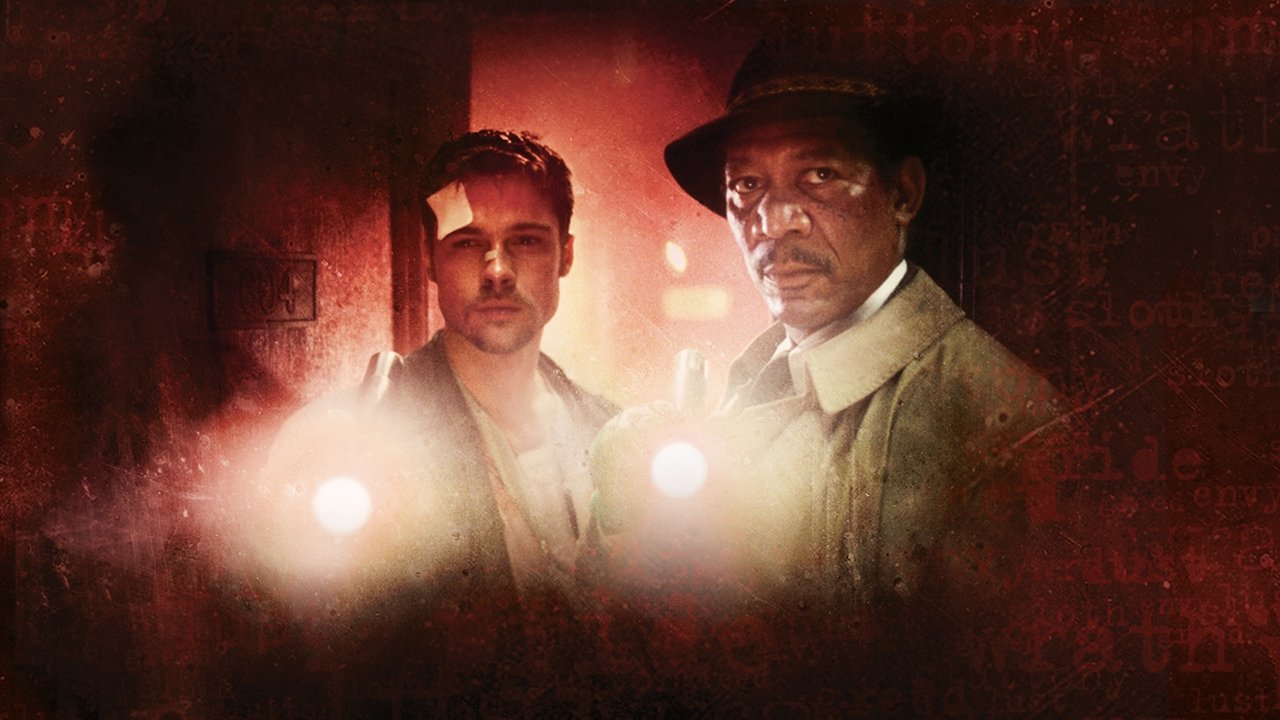
Film
duologue
Drama
Thriller

The Detective's Philosophy

from Se7en

Written by Andrew Kevin Walker

Se7en

Somerset expresses his deep-seated cynicism and exhaustion to the idealistic Mills, questioning the ultimate impact of their police work.

Start a free 7-day trial — 5 downloads a day, unlimited when Pro begins

Rehearse this scene
Rehearse on your terms

Choose your role and voices for the other characters. Run the scene at your own pace.

Scene PreviewExcerpt — subscribe to read full scene

SOMERSET

You meant what you said to Mrs. Gould, didn't you? About catching this guy. You really want to believe that, don't you?

MILLS

And you don't?

SOMERSET

I wish I still thought like you.

MILLS

Then, you tell me what you think we're doing.

End of preview. Continue with Pro below.

7 days freeYour next rehearsal starts here

Found your next scene? Make it yours.

Start your free trial and read The Detective's Philosophy in full, with access to 4,000+ monologues and scenes to explore next.

  • Read the full scene and explore the library
  • Download your script in a clean, printable format
  • Take it into rehearsal with the Script Reader
Casting Types
Get Feedback
Coming Soon

Want expert coaching on this scene?

Browse our curated list of acting coaches, dialect specialists, and more.

Find a Coach

Need representation?

Browse verified agents and casting directors in our directory.

Scene Notes & Audition Tips

5 sections
About This Scene

This intense duologue from the film *Se7en* captures a pivotal moment between the experienced Detective Somerset and the younger, more idealistic Detective Mills. The scene unfolds as Somerset articulates his profound weariness and disillusionment with police work, contrasting sharply with Mills's lingering hope for justice. It's a powerful exchange that delves into themes of futility, mentorship, and the harsh realities of law enforcement in a dark, unforgiving city.

Character Analysis

Somerset, a detective in his 50s, embodies the world-weary mentor figure whose years on the force have led to deep-seated cynicism. His lines reveal a man who has witnessed too much unanswered brutality, leaving him questioning the true impact of his efforts. Mills, in his 30s, represents a more optimistic, albeit still gritty, perspective, initially resisting Somerset's jaded worldview. An actor portraying Somerset needs to convey a profound sense of exhaustion and philosophical resignation, while Mills requires an actor who can project a blend of idealism, frustration, and a burgeoning understanding of the harsh truths presented by his elder.

Why This Works for Auditions

This scene offers excellent material for auditions because it showcases a broad emotional range within a contained, realistic dramatic context. The power dynamics between the two characters, the clash of ideologies, and the underlying tension provide rich opportunities for nuanced acting choices. It allows actors to demonstrate gravitas, vulnerability, and the ability to handle complex, intellectual dialogue that is rooted in deep character motivations, making it suitable for both self-tapes and agent showcases.

Best Suited For

This duologue is particularly well-suited for male actors in the 30-55 age range who are looking to portray a Detective, Mentor, Authority Figure, or a Gritty Everyman type. It's an excellent choice for actors aiming for dramatic roles in crime thrillers, police procedurals, or any project requiring characters with significant internal conflict and a world-weary wisdom or naive determination. The intense tone and themes of justice and futility resonate strongly, offering a chance to deeply explore a character's philosophical stance.

Performance Tips

For Somerset, focus on conveying the weight of years of experience through subtle vocal choices and physical exhaustion, ensuring his cynicism comes across as earned rather than just bitter. His delivery should feel reflective and almost poetic, despite the grim subject matter, with a deep understanding of the metaphor he presents. For Mills, allow his initial disbelief and defiance to fuel his lines, but show glimpses of him processing Somerset's words, perhaps with a growing sense of discomfort or dawning realization. The rhythm of the dialogue is crucial; allow for significant pauses and reactions to let the weight of the words land.

Explore this topic