Film
duologue
Drama

The Dutiful Son

from Dead Poets Society

Written by Tom Schulman

Dead Poets Society

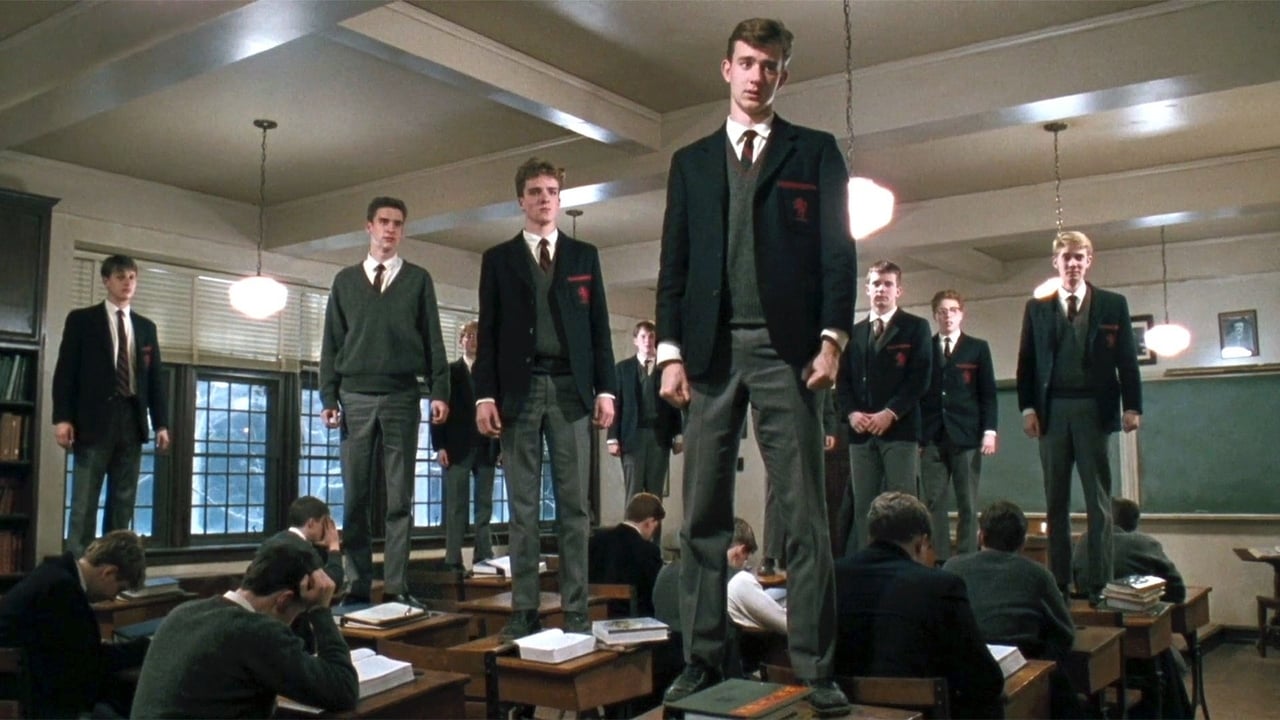
Neil seeks advice from Mr. Keating after his father demands he quit the school play, revealing the suffocating pressure of his family expectations.

Start a free 7-day trial — 5 downloads a day, unlimited when Pro begins

Rehearse this scene
Rehearse on your terms

Choose your role and voices for the other characters. Run the scene at your own pace.

Scene PreviewExcerpt — subscribe to read full scene

KEATING

It's open. Neil, what's up?

NEIL

Can I speak to you a minute?

KEATING

Certainly. Sit down.

NEIL

I'm sorry. Here.

KEATING

Excuse me. Get you some tea?

End of preview. Continue with Pro below.

7 days freeYour next rehearsal starts here

Found your next scene? Make it yours.

Start your free trial and read The Dutiful Son in full, with access to 4,000+ monologues and scenes to explore next.

  • Read the full scene and explore the library
  • Download your script in a clean, printable format
  • Take it into rehearsal with the Script Reader
Casting Types
Get Feedback
Coming Soon

Want expert coaching on this scene?

Browse our curated list of acting coaches, dialect specialists, and more.

Find a Coach

Need representation?

Browse verified agents and casting directors in our directory.

Scene Notes & Audition Tips

5 sections
About This Scene

This compelling duologue from the film *Dead Poets Society* captures a pivotal, vulnerable moment between Neil, a passionate student, and his empathetic teacher, Mr. Keating. Neil, facing immense pressure from his father to abandon his theatrical aspirations, seeks guidance and understanding from the one adult who seems to truly see him. The scene beautifully explores themes of youthful ambition clashing with parental expectations, the search for identity, and the profound impact of mentorship. It’s a powerful exchange highlighting the suffocating weight of unfulfilled dreams and the courage required to pursue one's true calling.

Character Analysis

Neil is portrayed here as a late-teens individual brimming with suppressed passion and internal conflict. He is deeply vulnerable, struggling to reconcile his fervent love for acting with his father's rigid demands, embodying the "dutiful son" while yearning for self-expression. Mr. Keating, in his thirties, serves as a wise and unconventional mentor, offering a safe space for Neil to articulate his fears and desires. He is observant, encouraging, and challenges Neil to find his own voice and conviction, acting as a crucial catalyst for Neil's journey towards authenticity.

Why This Works for Auditions

This scene offers exceptional material for auditions due to its clear emotional arc and strong character dynamics. Actors can showcase a wide range of vulnerability, internal conflict, and the progression from stifled despair to burgeoning resolve. The contrast between Neil's youthful intensity and Keating's calm, insightful presence provides a rich canvas for two actors to explore complex interpersonal communication. Its contemporary period and dramatic tone make it versatile for various casting calls, allowing performers to demonstrate both dramatic depth and nuanced conversational acting.

Best Suited For

This duologue is an excellent choice for male actors in the specified age ranges seeking material for drama school auditions, agent showcases, or self-tapes. It particularly suits actors who can embody roles requiring vulnerability, intensity, or a mentor-like presence. The scene's focus on a student navigating oppressive family expectations, coupled with the profound impact of a guiding teacher, makes it ideal for demonstrating an actor's ability to portray deep emotional resonance and significant character growth within a short timeframe. It’s perfect for those who want to show complex internal struggle and the quiet power of connection.

Performance Tips

When approaching Neil, focus on the physical manifestation of his internal turmoil; perhaps a slight tremor in his voice or hesitant gestures could underscore his vulnerability and the immense pressure he feels. For Keating, emphasize his active listening and the gentle but firm way he guides Neil, using thoughtful pauses to convey his wisdom and empathy. Both characters should pay close attention to the subtext of the conversation, especially the unsaid expectations and fears that drive their interaction. Allow the gradual shift in Neil’s conviction, from despair to a flicker of hope, to be visibly earned through Keating’s insightful questioning, demonstrating a strong, believable character journey.

Explore this topic