Film
monologue
Drama

Rip It Out — The Poetry Introduction Scene

from Dead Poets Society

Written by Tom Schulman

Dead Poets Society

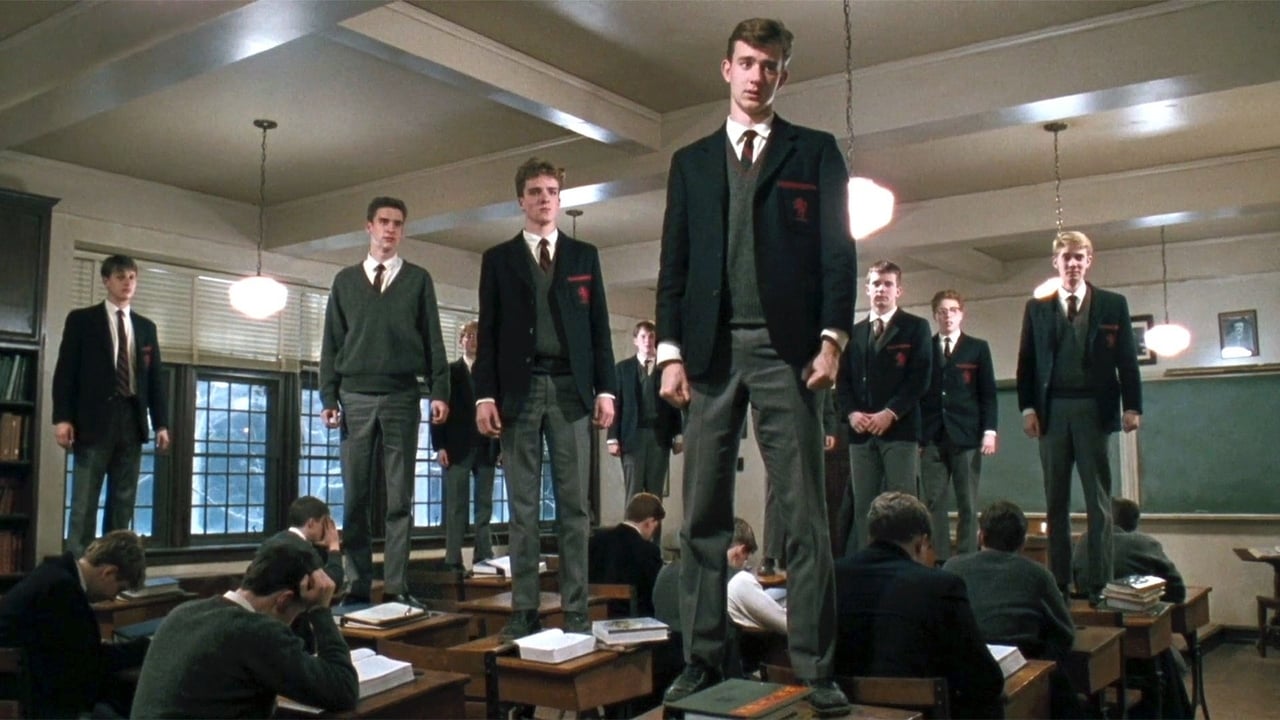
John Keating, an unconventional English teacher, instructs his students to physically rip out the clinical, mathematical introduction to their poetry textbooks. He challenges the rigid academic standards of the time, urging his students to find a more soulful and personal connection to literature.

Start a free 7-day trial — 5 downloads a day, unlimited when Pro begins

Rehearse on your terms

Take this monologue into rehearsal and work through it at your own pace.

Scene PreviewExcerpt — subscribe to read full scene

KEATING

Excrement. That's what I think of Mr. J. Evans Pritchard. We're not laying pipe, we're talking about poetry. I mean, how can I describe poetry like American Bandstand? I like Byron, I give him a 42, but I can't dance to it. Now I want you to rip out that page. Go on, rip out the entire page. You heard me, rip it out. Rip it out! Gentlemen, tell…

End of preview. Continue with Pro below.

7 days freeYour next rehearsal starts here

Found your next scene? Make it yours.

Start your free trial and read Rip It Out — The Poetry Introduction Scene in full, with access to 1,000+ monologues and scenes to explore next.

  • Read the full scene and explore the library
  • Download your script in a clean, printable format
  • Take it into rehearsal with the Script Reader
Casting Types
Get Feedback
Coming Soon

Want expert coaching on this scene?

Browse our curated list of acting coaches, dialect specialists, and more.

Find a Coach

Need representation?

Browse verified agents and casting directors in our directory.

Scene Notes & Audition Tips

5 sections
About This Scene

This powerful monologue from *Dead Poets Society* features John Keating, an inspiring and unorthodox English teacher, as he challenges conventional academic methods. He instructs his students to physically tear out a rigid, clinical introduction from their poetry textbooks, advocating for a more visceral and personal engagement with literature. This scene brilliantly establishes Keating's character and his philosophy, making it a compelling piece for actors to explore.

Character Analysis

Keating is a charismatic and rebellious mentor determined to awaken his students' minds. He possesses a strong conviction in the power of poetry and critical thinking, which he expresses with a blend of humor, authority, and passion. His underlying frustration with restrictive educational systems fuels his desire to inspire independent thought, positioning him as an advocate for intellectual freedom and emotional authenticity. This scene showcases his ability to command a classroom while simultaneously encouraging defiance.

Why This Works for Auditions

This monologue is an excellent choice for auditions because it offers a wide range of emotional expression within a focused timeframe. Actors can demonstrate a compelling arc from playful disdain to fervent instruction, showcasing their ability to embody a charismatic authority figure who also possesses a deeply human desire to connect and inspire. The shifts in tone and energy, from theatrical and humorous to intense and commanding, provide ample opportunity to display dynamic acting choices.

Best Suited For

This piece is ideally suited for male actors aged 35-45 who are looking for material that highlights their ability to play a strong, intellectual, and charming mentor figure. It works particularly well for drama school auditions, agent showcases, and self-tapes where portraying an "Intense" or "Authority Figure" casting type is desired. The inspirational and rebellious themes also make it great for general practice to develop vocal range and stage presence.

Performance Tips

When performing this monologue, focus on Keating's internal struggle between his respect for education and his disdain for stifling pedagogy. Emphasize the physicality of his instructions, allowing your actions to mirror his passion for rebellion against the status quo. Utilize vocal variations to convey his playful sarcasm, his growing intensity, and his ultimate triumph as the students begin to engage with his unconventional teaching methods.

Explore this topic