Film
monologue
Comedy-Drama

The Final Speech

from The Great Dictator

Written by Charlie Chaplin

The Great Dictator

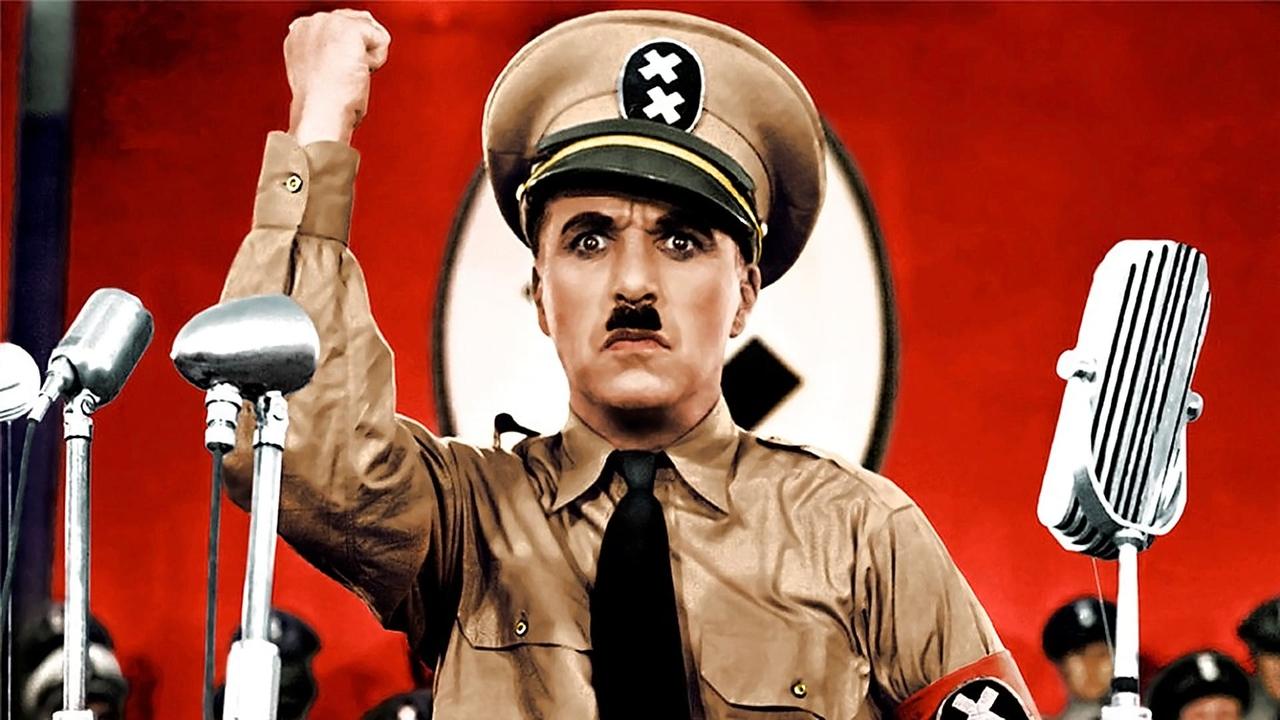
A humble barber, mistaken for a powerful dictator, delivers a passionate plea for humanity, peace, and democracy. He rejects the pursuit of power in favor of universal brotherhood and the end of greed and hate.

Start a free 7-day trial — 5 downloads a day, unlimited when Pro begins

Rehearse on your terms

Take this monologue into rehearsal and work through it at your own pace.

Scene PreviewExcerpt — subscribe to read full scene

THE BARBER

I’m sorry, but I don’t want to be an emperor. That’s not my business. I don’t want to rule or conquer anyone. I should like to help everyone - if possible - Jew, Gentile - black man - white. We all want to help one another. Human beings are like that. We want to live by each other’s happiness - not by each other’s misery. We don’t want to hate…

End of preview. Continue with Pro below.

7 days freeYour next rehearsal starts here

Found your next scene? Make it yours.

Start your free trial and read The Final Speech in full, with access to 1,000+ monologues and scenes to explore next.

  • Read the full scene and explore the library
  • Download your script in a clean, printable format
  • Take it into rehearsal with the Script Reader
Casting Types
Get Feedback
Coming Soon

Want expert coaching on this scene?

Browse our curated list of acting coaches, dialect specialists, and more.

Find a Coach

Need representation?

Browse verified agents and casting directors in our directory.

Scene Notes & Audition Tips

5 sections
About This Scene

This seminal monologue, "The Final Speech" from *The Great Dictator*, is a profound moment where Charlie Chaplin, as the Barber, delivers a powerful address. Mistaken for a tyrannical dictator, the Barber seizes the opportunity to speak from the heart, advocating for universal brotherhood, peace, and democracy. It's a poignant and inspiring call for humanity to reject hatred and embrace compassion, encapsulating a timeless message that resonates deeply with audiences.

Character Analysis

The Barber is an Everyman figure, embodying humility, empathy, and an inherent goodness. He is fundamentally a gentle soul thrust into an extraordinary situation, leading him to discover an unexpected voice of moral authority. While initially vulnerable, his conviction grows throughout the speech, transforming him into a powerful advocate for justice and peace. This character is an Outsider who, through circumstance, becomes a Leading Man, demonstrating immense dramatic range from quiet sincerity to impassioned conviction.

Why This Works for Auditions

This monologue is an excellent choice for auditions due to its significant dramatic arc and powerful, inspirational tone. It allows actors to showcase a wide range of emotions, from earnest sincerity to soaring passion, all within a well-structured narrative. The piece offers ample opportunity for character development within a limited timeframe, demonstrating an actor’s ability to connect with universal themes of humanity and hope. Its impactful message leaves a lasting impression, showcasing both vocal command and emotional depth.

Best Suited For

This monologue is ideally suited for male actors aged 35-45 looking for material for drama school auditions, showcases, or acting classes, particularly in screen or stage acting. It is perfect for actors who can authentically portray characteristics of an Everyman, a Vulnerable individual, or a Leading Man who finds his voice against oppression. The themes of hope, justice, and peace also make it a strong choice for those seeking material that is both politically relevant and deeply human.

Performance Tips

When approaching "The Final Speech," focus on the Barber's initial reluctance and how his conviction builds throughout the monologue. Allow his genuine humility to ground the performance, making the shift to powerful calls for peace feel earned and authentic. Pay close attention to vocal dynamics, moving from a conversational tone to one of impassioned plea, using pauses effectively to emphasize key points. Remember that the core of this speech is a deeply felt human desire for connection and understanding, so let your performance be driven by that underlying sincerity.

Explore this topic