
Skip to content
    Film
    duologue
    Comedy-Drama
    Drama

    The First Night in Poland

    from A Real Pain

    Written by Jesse Eisenberg

    A Real Pain

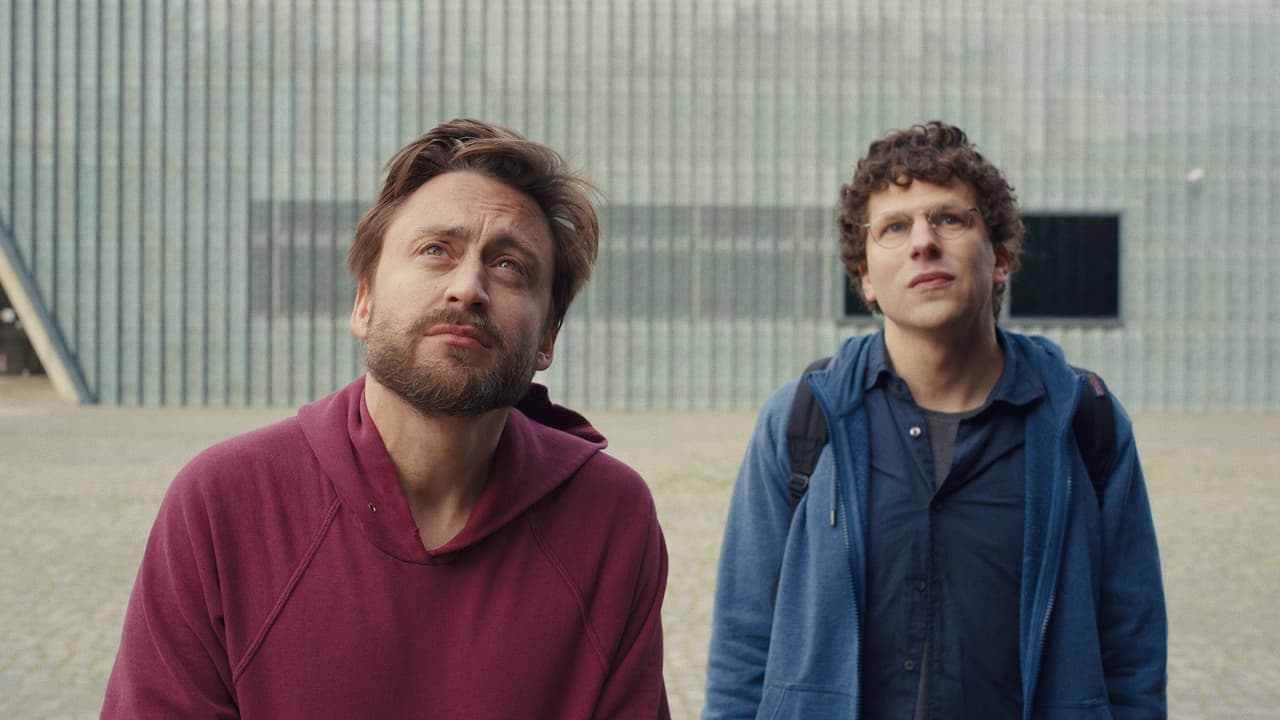
    Two cousins reconnect over a joint on a rooftop in Poland, navigating their contrasting personalities and shared childhood history.

    Start a free 7-day trial — 5 downloads a day, unlimited when Pro begins

    Rehearse this scene
    Rehearse on your terms

    Choose your role and voices for the other characters. Run the scene at your own pace.

    Scene PreviewExcerpt — subscribe to read full scene

    BENJI

    I just wanna thank you so much for doin this with me. I know it was tough for you to take off work, leave your little boy. But I didn’t realize I how much I needed this.

    DAVID

    Well that’s great, man. I’m happy to... see you happy. I know it's been a tough few months-

    End of preview. Continue with Pro below.

    7 days freeYour next rehearsal starts here

    Found your next scene? Make it yours.

    Start your free trial and read The First Night in Poland in full, with access to 5,500+ monologues and scenes to explore next.

    • Read the full scene and explore the library
    • Download your script in a clean, printable format
    • Take it into rehearsal with the Script Reader
    Casting Types
    Get Feedback
    Coming Soon

    Want expert coaching on this scene?

    Browse our curated list of acting coaches, dialect specialists, and more.

    Find a Coach

    Need representation?

    Browse verified agents and casting directors in our directory.

    Scene Notes & Audition Tips

    5 sections
    About This Scene

    This contemporary comedy-drama duologue from Jesse Eisenberg's film *A Real Pain* captures an intimate moment between two adult cousins traveling abroad together in Poland. After a grueling travel day, the men unwind in a Warsaw hotel, navigating jet lag, old family habits, and the search for an accessible rooftop to share a smoke. The exchange balances lighthearted camaraderie with underlying emotional vulnerability, highlighting how shared history can bridge vastly different adult lifestyles.

    Character Analysis

    Benji is an intense, emotionally open free spirit who speaks with unfiltered directness and wears his heart on his sleeve. He craves connection, pushes everyday boundaries, and oscillates rapidly between deep gratitude and impulsive restlessness. David is a grounded, conscientious family man who tends toward anxiety, caution, and practical boundaries. While David feels the pull of fatigue and social hesitation, his enduring affection for Benji keeps him engaged, revealing a delicate balance of patience and dry skepticism.

    Why This Works for Auditions

    This two-minute scene offers actors a fantastic showcase for naturalistic contemporary dialogue and comedic timing rooted in truth. The contrast between Benji’s kinetic spontaneity and David’s deadpan, exhausted restraint creates an immediate, compelling dynamic for casting directors. It avoids melodramatic conflict in favor of genuine human warmth, allowing both performers to demonstrate rich subtext, active listening, and authentic relational history.

    Best Suited For

    This piece is an ideal selection for actors aged twenty-five to thirty-five preparing for agent showcases, drama school auditions, or self-tape reels. It is particularly effective for performers specializing in Everyman, Outsider, or Young Professional casting types seeking to demonstrate nuanced chemistry in a two-hander. It also functions wonderfully as a general practice exercise for scene study partners working on pacing, status shifts, and organic conversational overlap.

    Performance Tips

    Avoid playing the scene as a broad comedy; anchor your performance instead in the real physical exhaustion of travel and the deep roots of family loyalty. Benji should resist playing purely manic and instead locate the genuine vulnerability driving his eagerness to connect with David. David should avoid becoming passive, using dry comedic deadpan and watchful body language to keep the interaction active. Pay close attention to conversational rhythm, allowing moments of spontaneous humor to arise naturally from your shared history.

    No ratings yet
    Sign in to rate